Hyundai Motor Group has revealed TIGER (Transforming Intelligent Ground Excursion Robot), the company’s second Ultimate Mobility Vehicle (UMV) and the first designed to be uncrewed. The remote controlled robot is designed to carry different payloads while traversing different types of ground.
More GayCarBoys Stories:
- DON’T Drive YOUR CAR until you’ve Checked if your AIRBAG will KILL YOU
- Hyundai NEXo Hydrogen Car Record Distance Traveled
- Hyundai Hydrogen: Incheon International Airport Signs Deal
- Hyundai reveals Prophecy EV Concept
- Is the 2020 Genesis G70 Ultimate Sport a BMW killer?
- Hyundai Genesis: Elegant, sophisticated and premium
- Genesis Tops J.D. Power 2nd Year in a Row
- 2019 Genesis G70 wins driver’s choice award at Chicago Motor Show
- Genesis G80 Parks with No Driver on Board
TIGER is being developed by Hyundai Motor Group’s New Horizons Studio, in Mountain View, California. The studio was established in late 2020 to develop UMVs drawing on research and innovation leadership from Silicon Valley and other innovation hubs.
Above: This Week’s VIDEO Car Review -2021 Genesis G80 3.5T Luxury
Above: Hyundai TIGER Concept

Help Support Gay Car Boys Subscribe to our Youtube Channel
- Top GayCarBoys Stories:
- Sexy Men Drive 2021 Toyota Yaris Cross
- 10 Sexiest MotoGP Motorcycle Riders
- DON’T Drive YOUR CAR until you’ve Checked if your AIRBAG will KILL YOU
- 10 Hottest Racing Drivers
- Top 10 Gay Lesbian LGBT Cars
- Top 10 Gay Lesbian LGBT Sports Cars
- Top 15 gay and lesbian LGBT SUVs
- Talented Twinks – Callum Ilott Virtually Races Arthur Leclerc


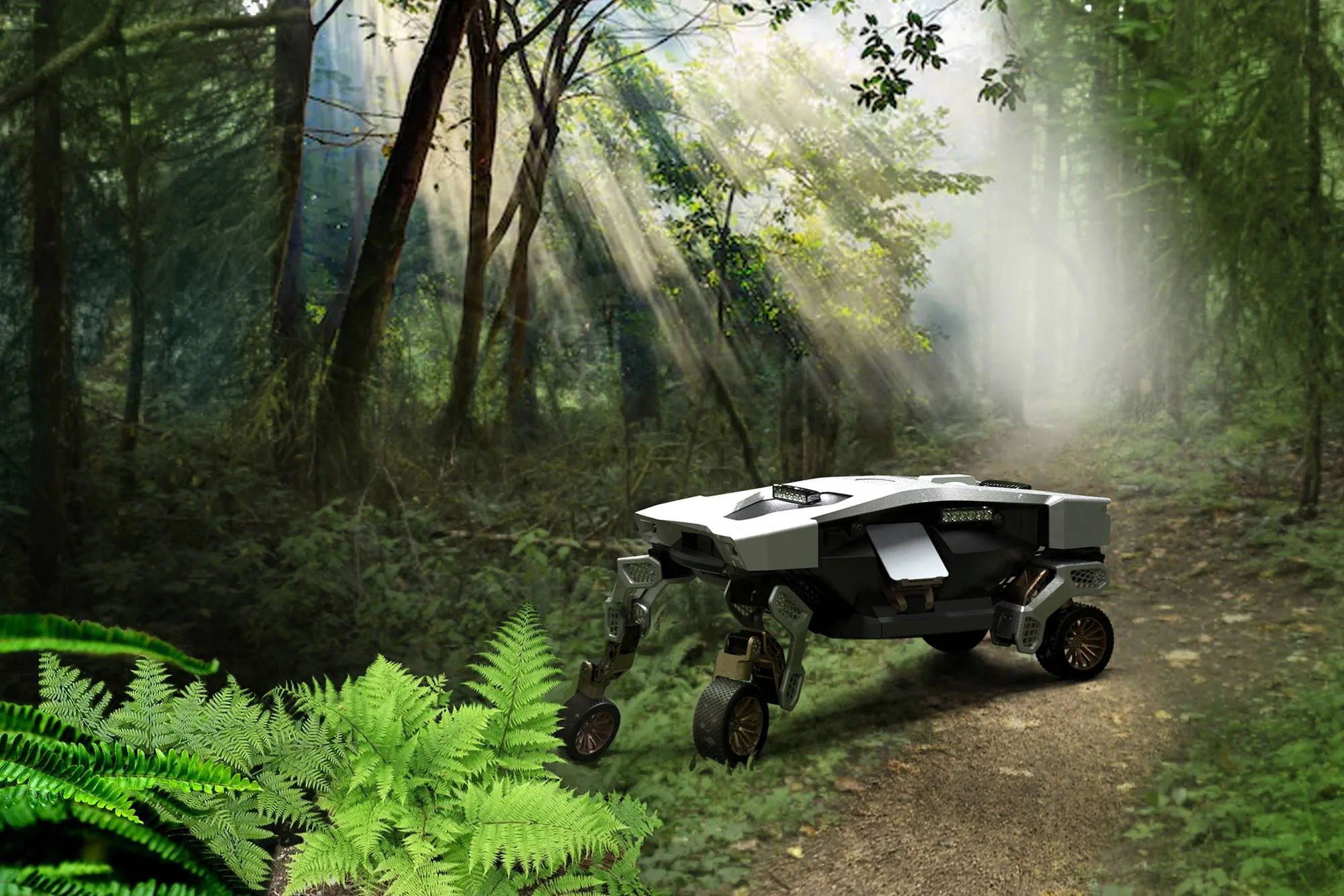
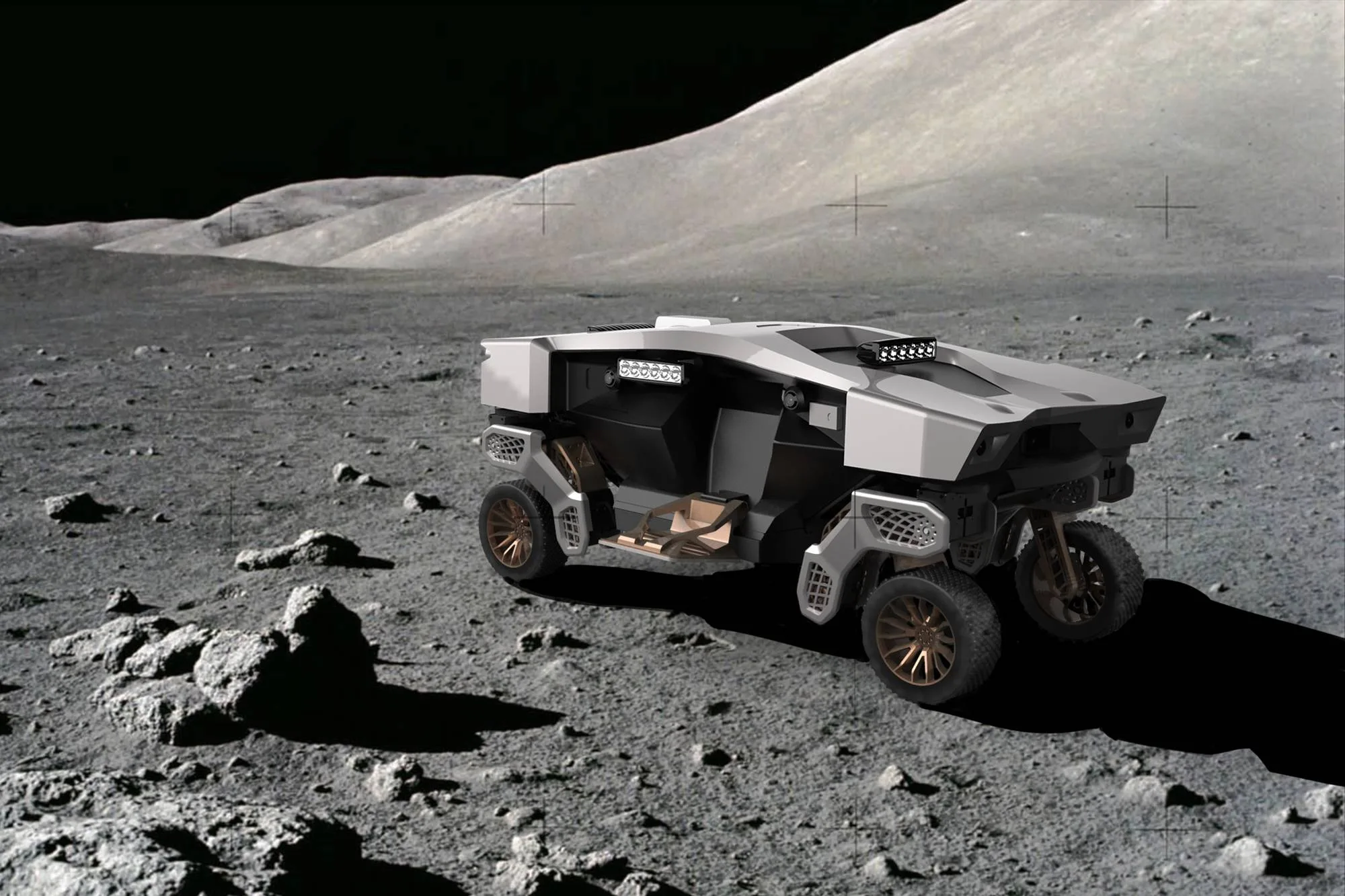
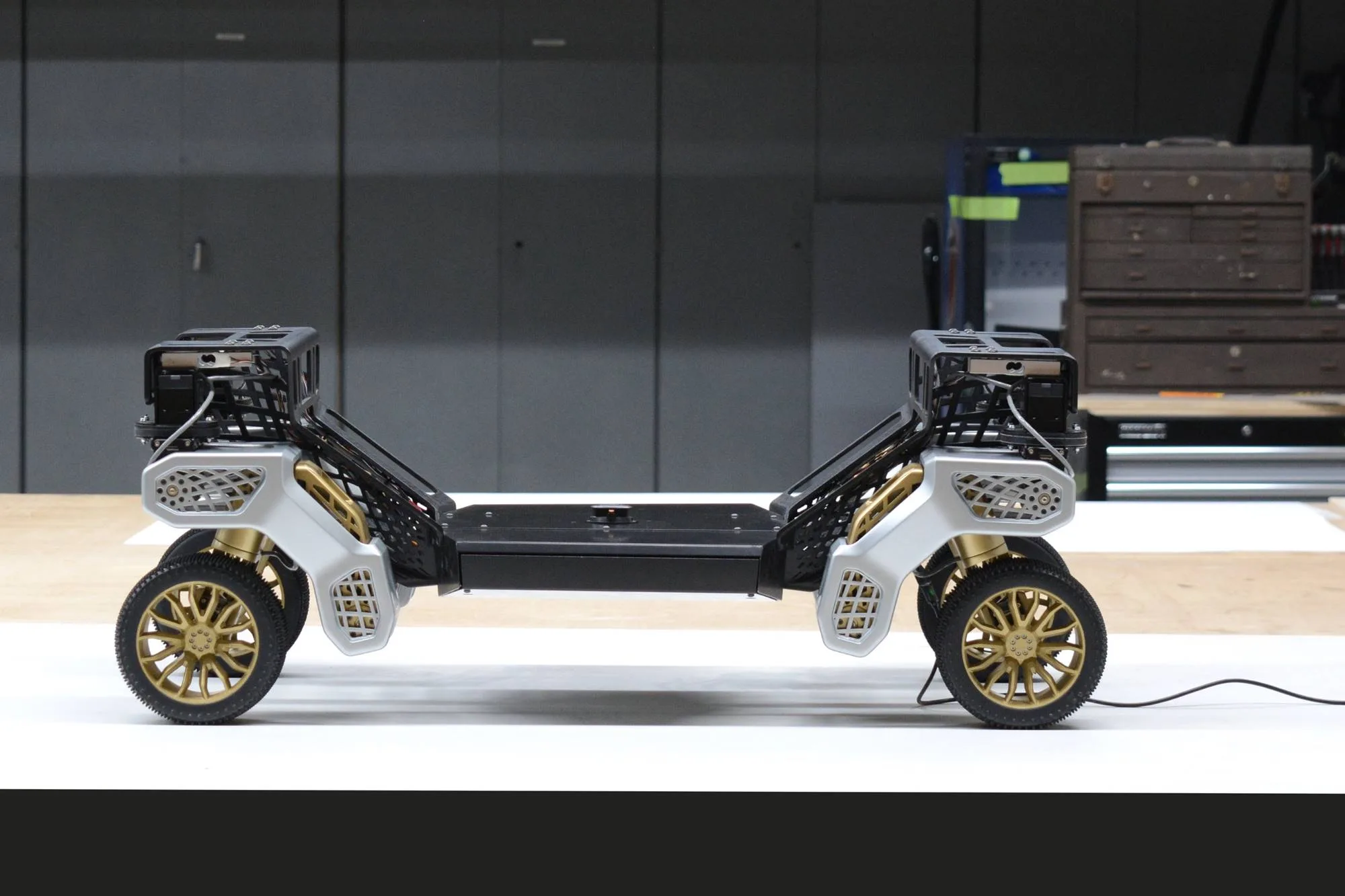
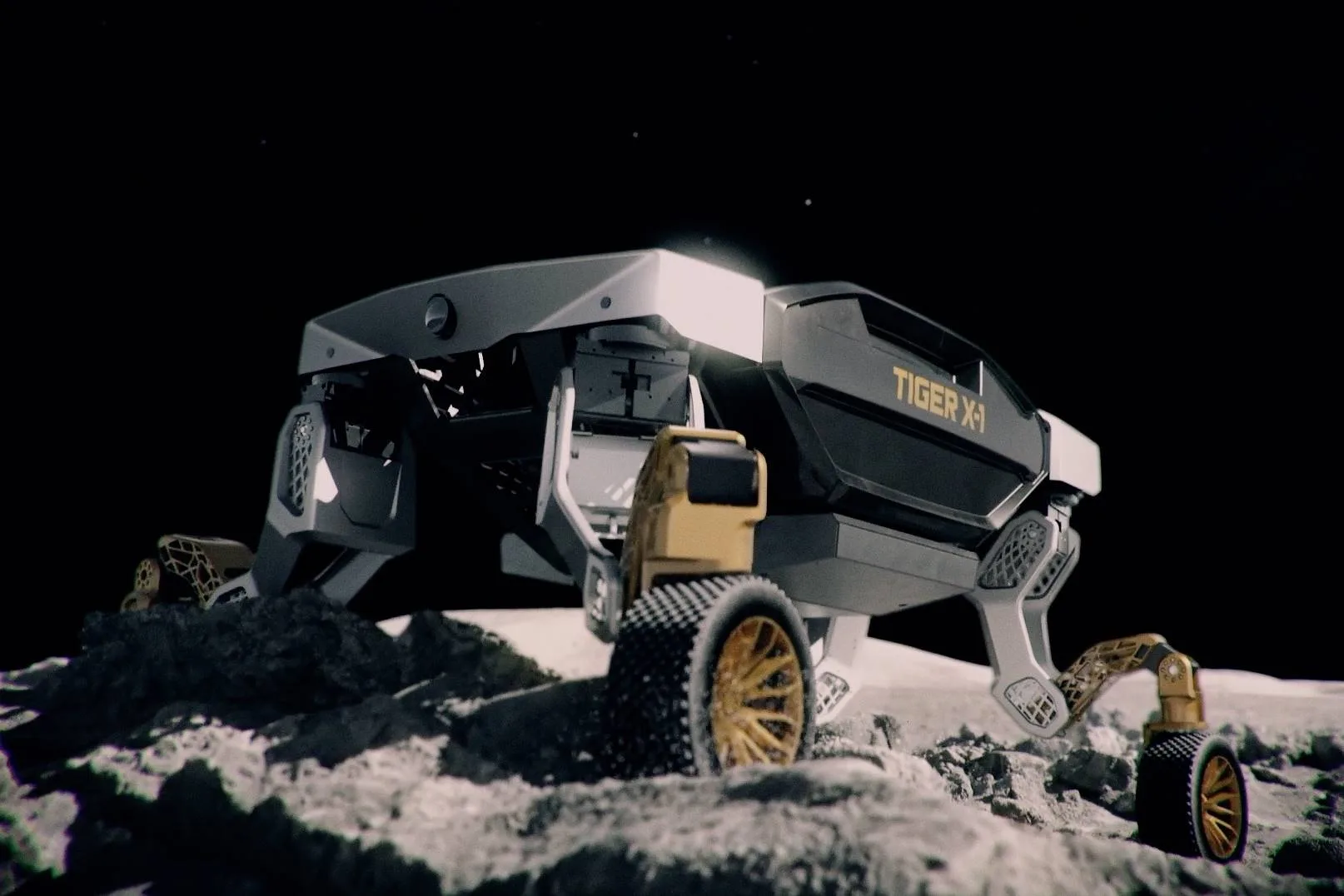
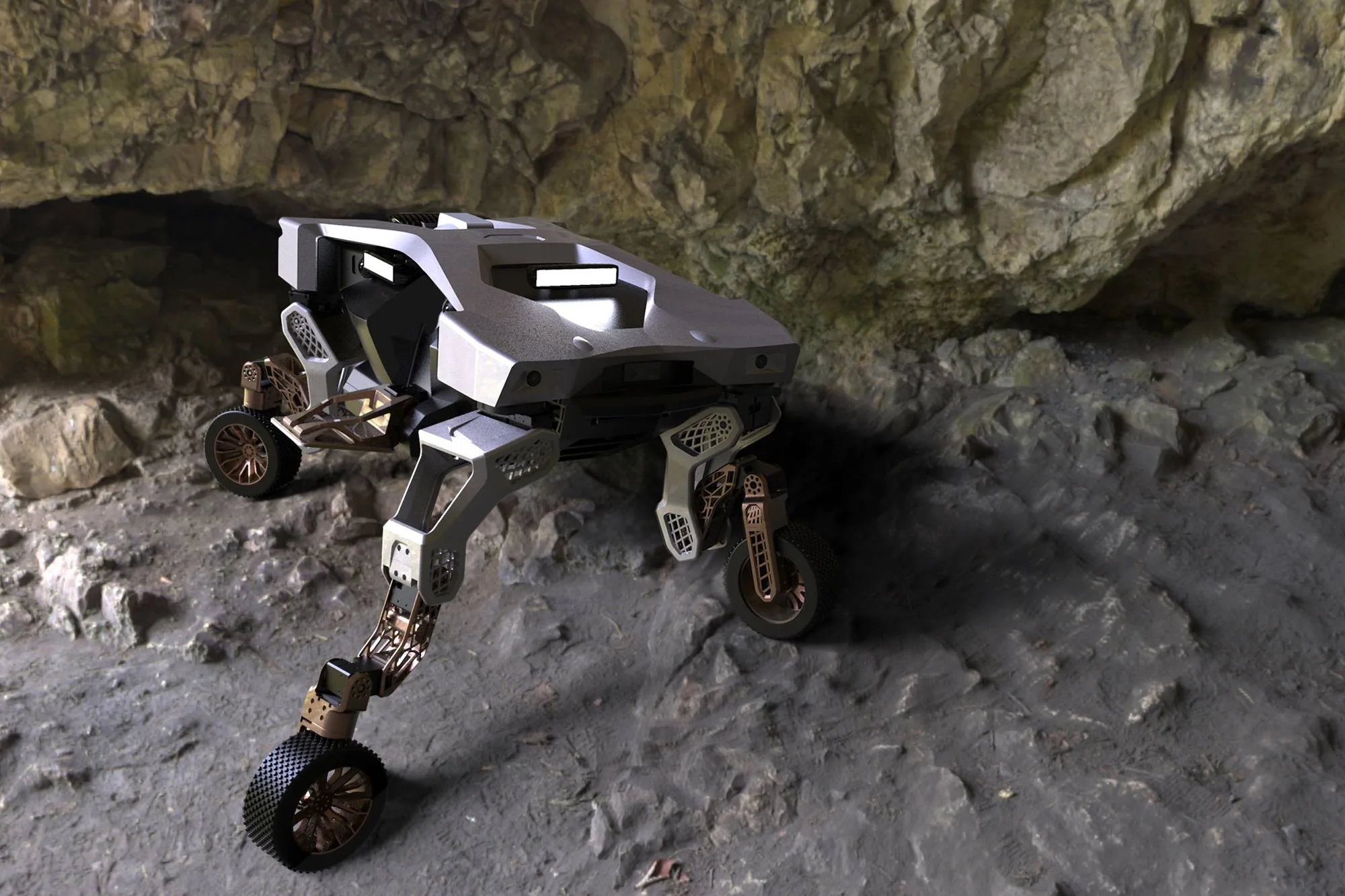
ABOVE: Hyundai TIGER Concept un-manned Rover
“Vehicles like TIGER, and the technologies underpinning it, give us an opportunity to push our imaginations,” said Dr. John Suh, Head of New Horizons Studio. “We are constantly looking at ways to rethink vehicle design and development and re-define the future of transportation and mobility.”
Concept vehicle showcases capability across remote and inaccessible terrain
TIGER’s would function as s scientific exploration platform difficult, or hard to get to, locations. The modular platform architecture allows features such as a complex leg and wheel mobility system, 360° directional control, and many different types of sensors for remote observation. It is also envisaged that drones could could charge, then deliver TIGER to remote locations.
TIGER has a cargo area that will carry goods for delivery, or could and deliver aid packages in emergency situations. Leg-wheel articulation enables TIGER travel over extreme ground situations, while keeping the payload stable .
TIGER can retract the legs, then drive like an all-wheel drive vehicle, in its most effieicnt driving mode. If it gets stuck on its wheels, can walk over the terrain instead. Elevate, Hyundai’s first-ever UMV concept with moveable legs, was first seen at the 2019 Consumer Electronic Show (CES).
TIGER shares other characteristics with Elevate, such as its legs and wheels. Elevate can carry passengers, while TIGER uncrewed. Both TIGER and Elevate share robotic/wheeled mobility, which gets them beyond the limitations of even the most capable off-road vehicle.
First version designed in Silicon Valley with global development partnerships
X-1 the first of the TIGER Concepts. X, which stands for experimental, brings together a wide-range of technological and design expertise. New Horizons Studio is working in closely with leading engineering design software company,y Autodesk, on this project.
“Working closely with the team at Hyundai on the TIGER X-1 vehicle, using advanced technology such as generative design to push the boundaries of increasing strength while reducing weight in transportation, is exactly what we mean when we talk about creating the new possible,” said Srinath Jonnalagadda, Vice President of Business Strategy for Design and Manufacturing at Autodesk. “New design, engineering and manufacturing techniques enabled by Autodesk Fusion 360 help today’s modern, collaborative teams get to production faster and more efficiently.”
TIGER X-1 combines Autodesk’s generative design capabilities with Hyundai’s growing R&D capabilities in mobility. They have created a strong, lightweight structure, using carbon fiber composite additive printing.
New Horizons Studio also worked with Sundberg-Ferar, to get TIGER X-1 take cargo across rugged ground. It also means TIGER is ideal for scouting difficult surfaces in natural disasters, or even going further afield on far-flung moons and planets.
“While developing TIGER with New Horizons Studio, the team at Sundberg-Ferar was looking to create a robot that maximized the efficiency of wheeled motion with the articulation of a quadruped to expand the possibility of reaching more remote locations,” said David Byron, Manager of Design and Innovation Strategy at Sundberg-Ferar. “TIGER is a modular platform design allowing different bodies to be attached to the chassis for unique applications such as cargo delivery or surveillance in locations not suitable for humans.”

Alan Zurvas is the founder and editor of Gay Car Boys, Australia's leading LGBTQI+ automotive publication. Before launching GCB in 2008, Alan's automotive writing was published in SameSame.com.au and the Star Observer. With over 16 years of hands-on car reviewing experience, Alan brings an honest, irreverent voice to every review — championing value and innovation over brand loyalty.
Leave a Reply