Following a weekend of revealing displays at Everything Electric, it has become clear that Geely and other Chinese car makers have products that outshine legacy rivals. Starray started as a super chatty drive that was still a pleasure, but a smidge wallowy.
In this video, we review Starray EM-i Extended Range, but in doing so also consign many legacy offering to last place.
We reviewed Starray here and here and what it revealed was an unassuming brand full of promise.
It was obvious then that the technology-heavy cabin shamed the Toyota, leaving it woefully underwhelming in every way. But there’s more, RAV4 is simply not up to snuff by comparison.
Toyota’s shiny new 2026 RAV4 shares its aging core TNGA-K platform and basic dimensions with the previous (and very old) fifth-generation model, making it more of an extensive update than a clean-sheet redesign. The model debuted in way back in 2019 against Starray’s 2024 launch. Remember Covid? That certainly puts things into perspective, making the Rav4 geriatrick compared to the constant renewal of Chinese models.
But, Geely hadn’t yet finished, the Extended Range launch took an already good car to make it almost unassailable. And this is where all Chinese carmakers have become masters schooling the erstwhile masters. Legacy brands are scrambling to play catch-up, but here’s why they’re in the situation they are.
Get the NON AWD Starray Brochure HERE (AWD model will be available at the website)
Above: Geely Starray EMi ER Beats Rav4 on Value
#GeelyStarray, #Geely, #PHEVSUV, #ToyotaRAV4, #GayCarBoys

Help Support Gay Car Boys Subscribe to our Youtube Channel by SMASHING THE BUTTON ABOVE


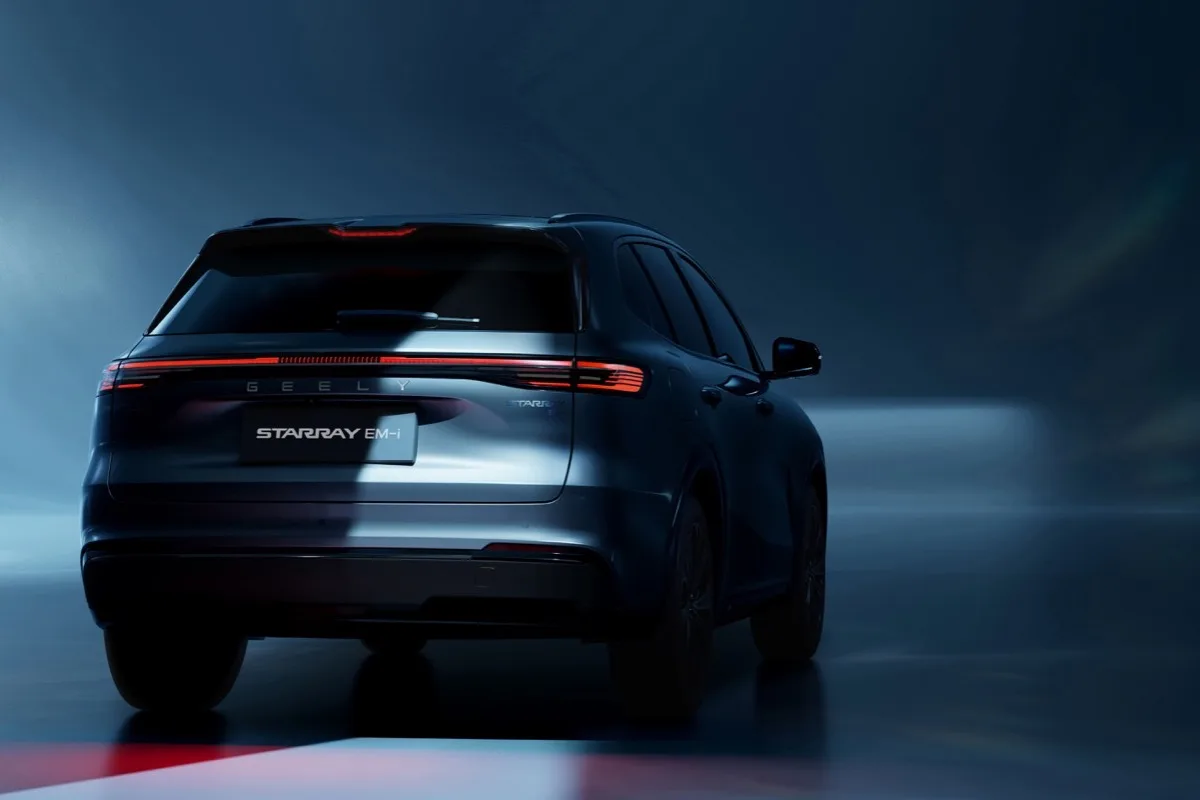
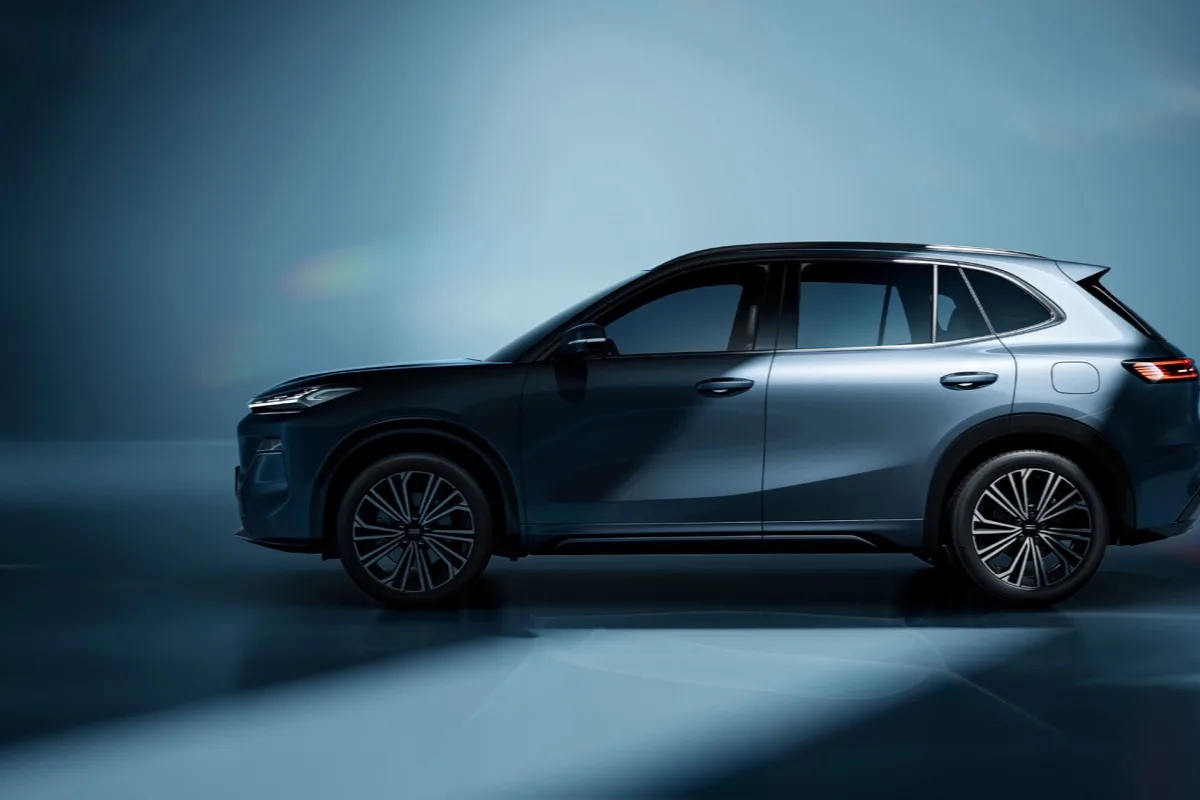
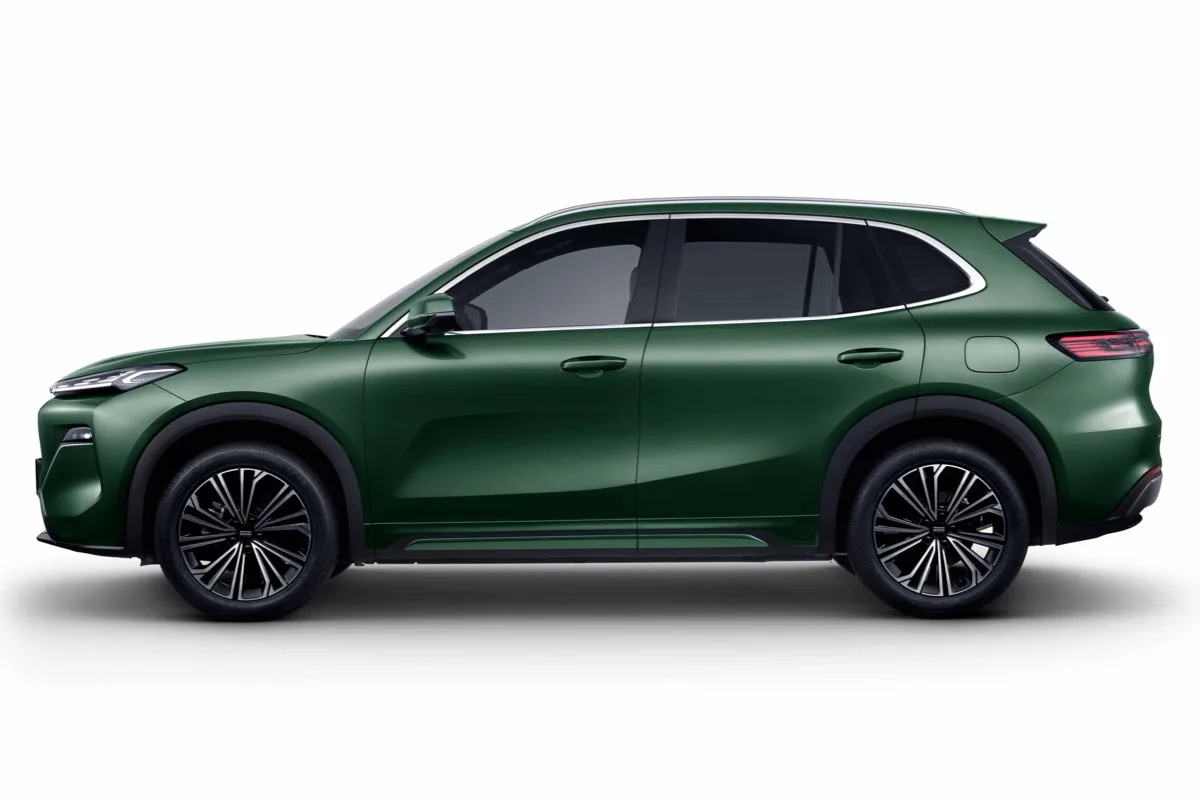

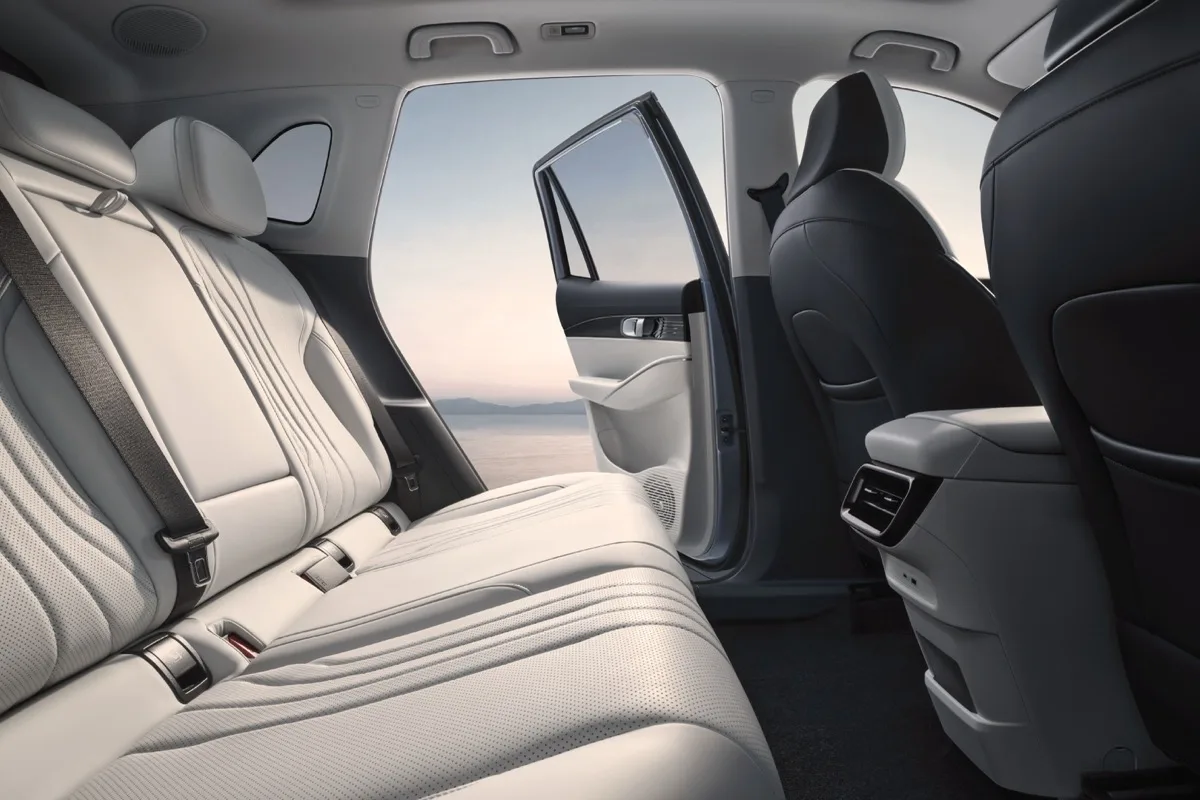

ABOVE: Starray EM-i
Let’s talk about China VS The World
May I suggest watching this for a view on what Chinese brands might do in Korea. Then for added spice, google Damian Meredith’s comments on legacy brands in Australia. In those two tasty tidbits we learn that GM-SAIC turbo-charged Chinese car making, and that China is expanding into Korea where Korea’s brands will be reaching for the smelling salts.
Despite warning after warning, legacy makers sat on their hands waiting for the world to get tired of the new toy. It didn’t. Chinese manufacture is now Australia’s biggest source, so Australia has become a thorny bed for the unprepared. Our market is a practical demonstration the extreme speed of Chinese advancement, going from a failed entry by great Wall Motors to being the dominant force in under a decade.
In a single year Avatr, BYD, Chery, Deepal, Denza, Foton, Forthing, GAC, Geely, GWM, Hongqi, IM, JAC, Jaecoo, Jetour, LDV, Leapmotor, Lepas, MG, Nio, Omoda, XPeng have either blossomed, boomed, of bounced ahead.
Does Geely Starray EM-i Extended Range FWD excel itself?
In a word, yes. I want you to keep in mind the size; bigger than a RAV4, 2/3 the price of a RAV4 (ish), and that Toyota tries to convince punters to pay more for less. Here is where the chasm widens further.
The exterior is both charming and ubiquitous. It offends no one, but nor will it set hearts racing. The understand curves and bends gently guide the eye around the body without shoving it jarringly from angle to angle.
Adding to the charm and ability is a newly released AWD version with even more power.
The passengers embark after the approach lock/unlock has clunked the doors into a more convivial pose. You settle into a lounge of TechnoLeather spendour. Seats heated, vented, and they allow your buns to be gently kneaded into a Zen state of out-of-body awareness.
Even in dark tones, the cabin feels crisp and clean, uncluttered by years of the design detritus that makes the Rav4 interior look decades old.
A new menu gathers the bevy of Brussels-induced bongs and inconvenient intrusions into a single list accusable from a programmable steering wheel button. It then only needs confirming with a single brush of the screen, no menu-spelunking required.
But, oh those menus, what naughty little minxes they can be. Of course, the Flyme screen is a pretty skin over Android Open Source Project software. Plucky it may be, 100% reliable it is not. It only failed me once so we resisted the urge to reboot. One irritatingly failed attempt to adjust my HUD later, I settled into the brisk flit down the highway.
The menu layout and reliability is mainly down to the way Chinese cars are designed. Android Auto is almost non-existent and CarPlay is rare. in the home market. Export models have these features added, and the software changes for EuroNCAP are turned on. Things like overspeed and distraction warnings must default to “on”. What a kerfuffle.
There is a sophisticated multilink rear end that manages to be a trifle flouncy while keeping it tidy. More importantly, unlike other reviewers, it suits my relaxed driving style. Settle in, and let the smart cruise and steer, ADAS themselves into a stupor. You simply sit back and command the system play a spot of SBS Chill, turn the climate to a comforting 22C, and massage to relax.
Although the drive modes offer a slightly sprightlier sprint, the Geely Starray EM-i is a cruiser. It is not something to be thrown into corners like a Bentley Blower at Brooklands. The physics of a 78kWh battery are fixed, it doesn’t weigh less when it needs topping up. Besides, 193kW through the front wheels in a single burst can code-brown the simplest task. It induces a nauseating sense superiority, and not in a good way.
Final words
The cabin is a lovely spot to sit. The comfortable chairs carry customers, conveniently conveying CO2 free. Petrol punts only when electrons are absent. PHEVs only make sense if you have a plug. 60kW DC fast charging is great but only of used sparingly. The sums quickly fall apart if you have to add both petrol and electricity daily. Word on the street is most people with PHEVs never plug in anyway. Those who do, enjoy an inexpensive, C02-free daily drive.
Read the brochure for the facts, but have a test drive for the true experience. Starray EM-i is a car that Geely almost got right, but still beats Rav4 by a country mile. It looks nicer, has much more space, similar power, more equipment, a much longer warranty, and an interior that didn’t look dated before it was launched.
Geely Starray EM-i vs Toyota RAV4 PHEV
| Specification | Starray EM-i Complete (FWD) | Starray EM-i Inspire (FWD) | Starray EM-i Inspire AWD | Toyota RAV4 PHEV XSE 2WD | Toyota RAV4 PHEV XSE / GR Sport AWD |
|---|---|---|---|---|---|
| MSRP Price | $37,490 | $41,490 | $44,990 | $58,840 | $63,340 to $66,340 |
| Powertrain Setup | Single FWD Motor + 1.5L NA | Single FWD Motor + 1.5L NA | Dual AWD Motors + 1.5L | Single 2WD Motor + 2.5L | Dual AWD Motors + 2.5L |
| Total System Power | 193kW | 193kW | 220kW | 201kW | 227kW |
| Total System Torque | 262Nm | 262Nm | 412Nm | 272Nm (Electric Peak) | 394.6Nm (Combined Peak) |
| Battery Capacity | 18.4kWh (LFP) | 29.8kWh (LFP) | 29.8kWh (LFP) | 22.7kWh (Lithium Ion) | 22.7kWh (Lithium Ion) |
| Pure EV Range (WLTP) | 83km | 136km | 130km | 121km | 113km |
| Max DC Fast Charge | 30kW | 60kW | 60kW | 50kW | 50kW |
| DC Charge Time (30-80%) | ~20 minutes | 16 minutes | 16 minutes | not quoted | not quoted |
| DC Charge Time (10-80%) | not quoted | not quoted | not quoted | 28 minutes | 28 minutes |
| Max AC Charge Rate | 6.6kW | 6.6kW | 6.6kW | 11kW | 11kW |
| AC Charge Time (10-100%) | ~3.0 hours | ~5.0 hours | ~5.0 hours | 150 minutes (~2.5 hrs) | 150 minutes (~2.5 hrs) |
| Fuel Tank Capacity | 51 Litres | 51 Litres | 60 Litres | 55 Litres | 55 Litres |
| Total Combined Range | 943km | 996km | 1,065km | ~1,000 to 1,060km | ~1,000 to 1,060km |
Recommended Retail Prices exclude local dealer delivery and on-road statutory charges.
Starray FWD combined torque. Quoted at 262Nm, matching the maximum pulling power of the main electric propulsion motor driving the front axle. Starray AWD reaches 412Nm by adding the newly introduced 150Nm rear electric motor to the front drive loop. Toyota RAV4 AWD reaches a maximum hardware combination of 394.6Nm when the 272Nm front electric transaxle and the 122.6Nm independent rear e-Axle deliver maximum simultaneous shove under power demand.
Toyota EV target. 154km (NEDC) / 121km (WLTP) for the front-wheel-drive configuration, and 144km (NEDC) / 113km (WLTP) for the all-wheel-drive variants.
Toyota petrol-hybrid range. Returns approximately 5.0 to 5.5L/100km once the 22.7kWh battery pack is spent, translating to an extra 1,000km or so of highway touring capacity via the 55-litre fuel tank.
Geely Starray EM-i vs Toyota RAV4 PHEV Warranty and Servicing
| Protection & Maintenance Parameter | Geely Starray EM-i (All Variants) | Toyota RAV4 PHEV (All Variants) |
|---|---|---|
| New Vehicle Warranty (Private) | 7 Years / Unlimited km | 5 Years / Unlimited km |
| New Vehicle Warranty (Commercial) | 7 Years / 150,000km | 5 Years / 160,000km (Rideshare/delivery/taxi) |
| High-Voltage Battery Warranty | 8 Years / Unlimited km (Guaranteed to 70% State of Health or better) | Up to 10 Years / Unlimited km (Requires annual hybrid health checks) |
| Drivetrain / Engine Extension | Included in baseline 7-year limits | Up to 7 Years / Unlimited km (If all logbook services are kept up to date) |
| Roadside Assistance Coverage | Up to 7 Years Complimentary (Renewed annually at dealer service check) | None Complimentary (Paid retail add-on through state motoring clubs) |
| Connected App Connectivity Tier | 2 Years Complimentary | 1 Year Complimentary (Toyota Connect+ subscription) |
| Genuine Accessory Fitment Cover | 7 Years / Unlimited km (If installed by dealer at delivery) | 5 Years / Unlimited km (If installed by dealer at delivery) |
| Mandatory Service Intervals | 12 Months / 15,000km (Whichever occurs first) | 12 Months / 15,000km (Whichever occurs first) |
| Capped Price Servicing Duration | 5 Years / 75,000km (Geely Assured Service Pricing program) | 5 Years / 75,000km (Toyota Service Advantage program) |
| Capped Service Cost (Per Visit) | $269 Fixed | $260 Fixed |
| Total 5-Year Servicing Cost | $1,345 Total | $1,300 Total |
Geely Assured Service Pricing. Geely fixes the standard logbook visit rate at $269 under their official factory program. This cost is locked across the authorised dealer network but excludes fluctuating wear-and-tear consumables like brake pads, wipers, or specialised fluid flushes outside the standard schedule.
Toyota Service Advantage. Toyota’s introductory service rate caps at $260 per interval for the first 5 years. Missing a milestone window by substantial months or kilometres will void the capped rate for that period, converting the visit to standard retail pricing.
More Geely Stories
- Australia’s Car Market 46% Electrified in May
- Toyota RAV4 Price Rise Defended While Better Alternatives Pile Up
- Geely EX2 Melbourne Show Deal Extended

Alan Zurvas is the founder and editor of Gay Car Boys, Australia's leading LGBTQI+ automotive publication. Before launching GCB in 2008, Alan's automotive writing was published in SameSame.com.au and the Star Observer. With over 16 years of hands-on car reviewing experience, Alan brings an honest, irreverent voice to every review — championing value and innovation over brand loyalty.
Leave a Reply