The long weekend is gasping its last breath and the reality of Tuesday morning looms like a bad debt. While most of the country spent the past 72 hours arguing over the barbecue or sitting in bypass traffic, the bowser was busy sharpening its teeth. If you managed to fill up before the madness kicked off, consider it a minor win against the inevitable. With the Middle East on fire and global prices up 10 per cent, that “cheap” tank you got on Friday is already a relic of the past. As we roll back into the grind, the talk is going to shift from holiday snaps to the 40 cent a litre jump working its way through the system.
Australia is a sitting duck. We are an energy exporting giant that cannot even guarantee its own commute. The Strait of Hormuz is a parking lot following the latest US-Israel strikes on Iran, and the global oil market has responded with its usual frantic hysteria. Brent crude has hit $100 per barrel, and for the average Aussie motorist, that means the price of a standard fill-up has just become a luxury purchase.
In Sydney and Melbourne, the pain is acute. Average prices for regular unleaded have soared past 210 cents per litre. Some stations are testing the limits of public sanity by charging 220 cents. If you are in Adelaide or Perth, you might be feeling smug with prices still hovering around 185 cents, but do not get comfortable. The price cycle is a ruthless machine and it is coming for your wallet next.
The government’s response has been predictable. Energy Minister Chris Bowen and Treasurer Jim Chalmers have been doing the rounds, telling everyone to stay calm. It is the “toilet paper” strategy all over again. They tell us there is no need for panic-buying, which is exactly what people do the second a politician says those words. They point to our strategic reserve as if it is some impenetrable fortress of energy security. In reality, it is a thin buffer that would leave the country stranded in weeks if the taps actually stopped.
EV owners are unaffected so far. Those who plug in at home must be feeling pretty smug about now and those with home batteries and solar panels are rightly saying, “told you so.”
We are currently sitting on about 36 days of petrol and 34 days of diesel. That is it. That is the “security” we are told to rely on. The International Energy Agency recommends 90 days of net imports, but Australia has been failing that benchmark since 2012. We keep our reserves in foreign countries and on ships that haven’t even docked yet. If a regional conflict shut down the shipping lanes for six months, the economy would not just slow down; it would stop.

Help Support Gay Car Boys Subscribe to our Youtube Channel
Above: This Week’s VIDEO Review –2026 Lexus LBX Paradox
#LexusLBX, #LBXSportLuxury, #ToyotaCHR, #LuxurySUV, #HybridCars, #GayCarBoys


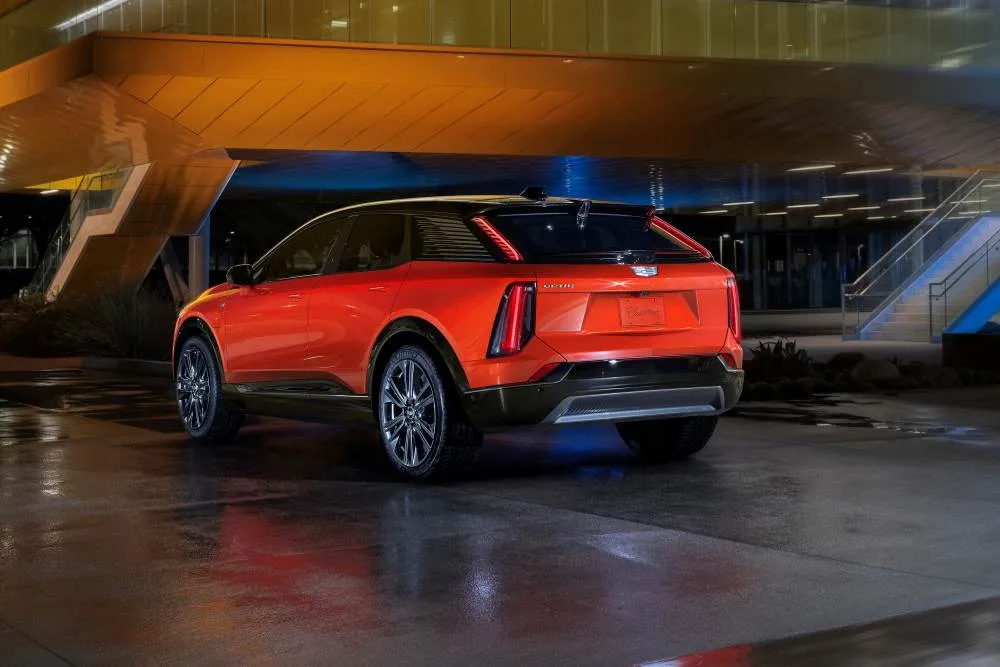

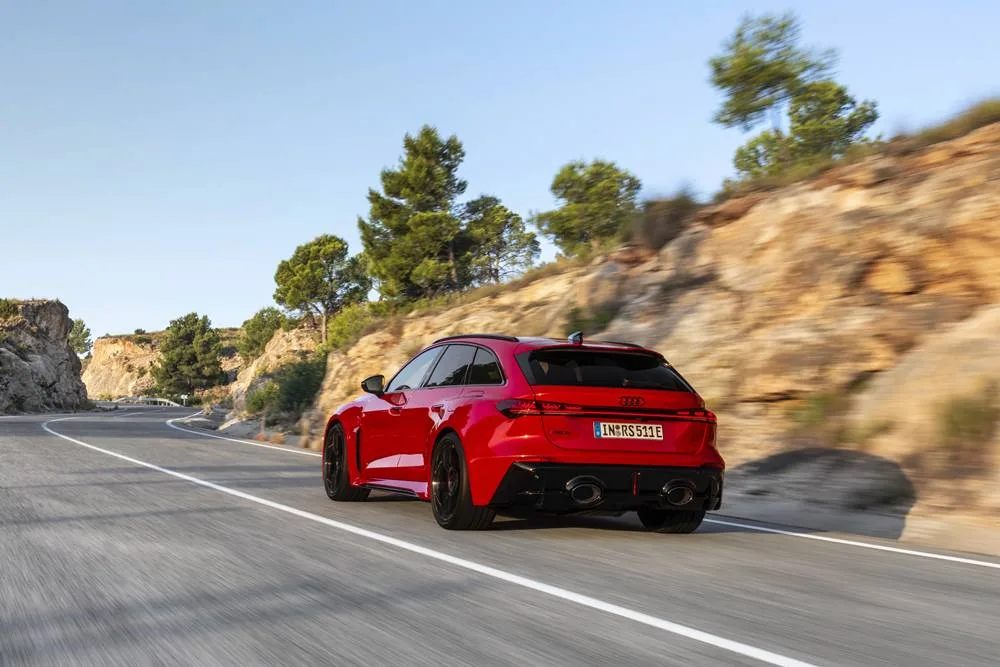
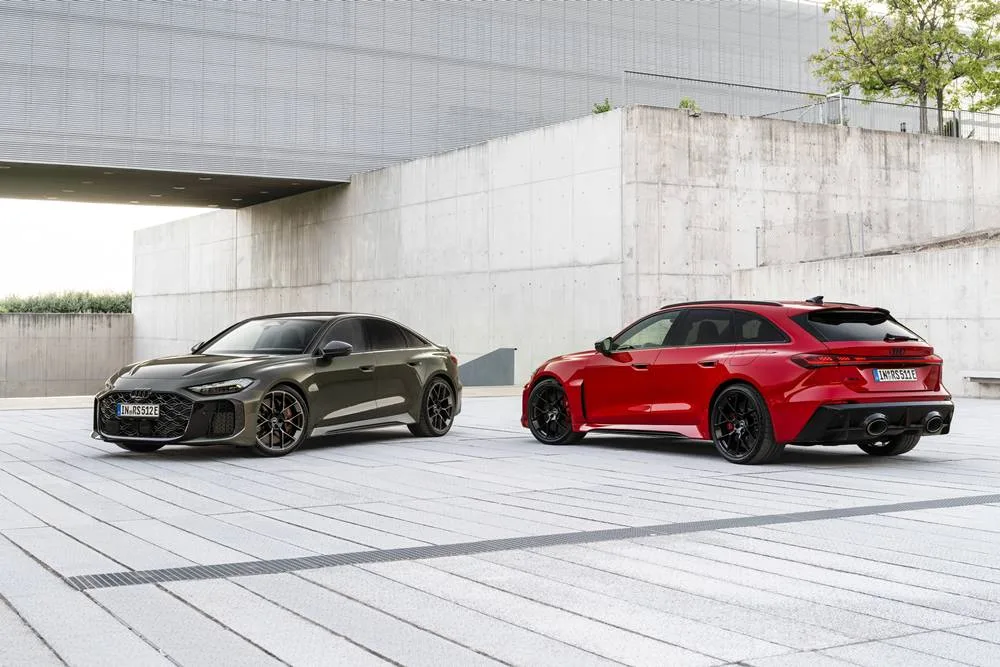

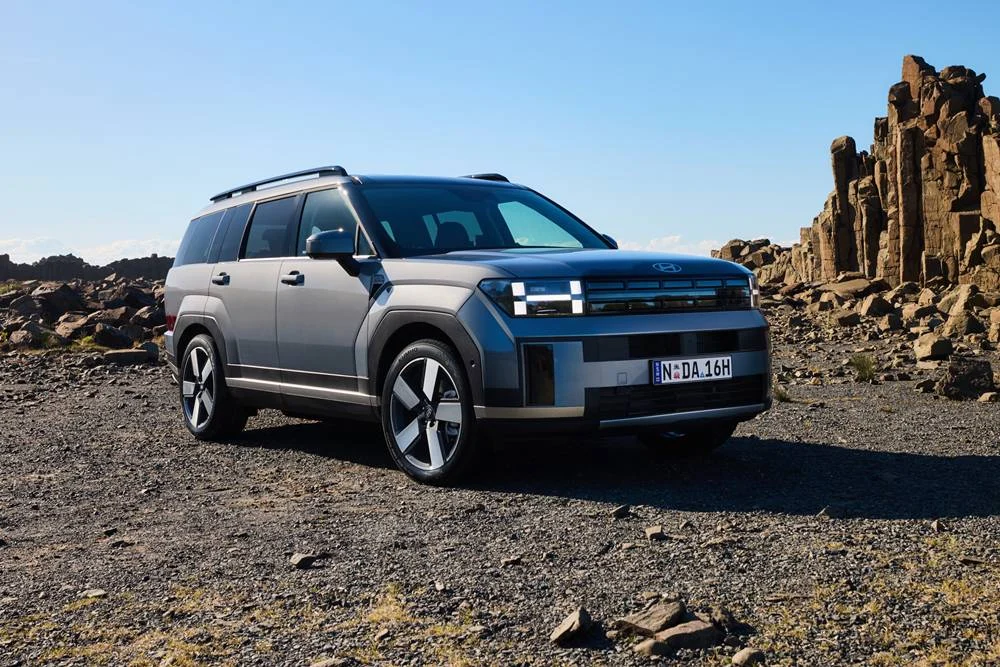

ABOVE: Hybrids, EVs, and PHEVs rally against fuel extortion
The death of Australian refining is the real tragedy here. We went from twelve refineries to just two. We outsourced our sovereignty to Singapore and Japan because it was cheaper and easier. Now, we rely on foreign-owned tankers to bring us finished fuel through contested waters. When a drone hits a tanker or a missile closes a strait, we have no choice but to pay whatever price the market demands. We are a price-taker nation and we are being taken for a ride.
The Maritime Union of Australia has been screaming about this for years. They are right to call it indefensible. We produce enormous amounts of gas and coal, yet we cannot refine enough oil to keep our own trucks moving. Diesel powers our freight and agriculture. Without it, the supermarket shelves will be empty before you can finish your morning coffee. Fuel sovereignty is not an abstract policy debate; it is a national security requirement that has been ignored by successive governments for decades.
Even our gas prices are not safe. Despite being one of the world’s biggest exporters of Liquefied Natural Gas, our domestic prices are hitched to the global market. Gas producers want to sell to the highest bidder in South Korea or China. When global LNG prices jump 12 per cent because of the Iran conflict, domestic gas and electricity prices follow. The government’s gas code and the 2027 reservation policy are small Band-Aids on a gaping wound. They might limit the worst of the gouging, but they will not stop the price hikes.
Airfares are the next domino to fall. Jet fuel costs are directly linked to crude oil and long-haul international flights are about to get more expensive. If you were planning a trip later this year, you might want to look at the total cost again. A 20 per cent rise in fuel costs translates directly to your ticket price. There is no escaping the fallout of a Middle East war when your entire lifestyle is built on imported energy.
The ACCC says it is monitoring the situation, which usually means they will write a stern report six months after you have already gone broke. They can intervene to prevent blatant price gouging, but they have no power over the global market. They cannot insulate you from the reality of a world where energy infrastructure is a military target. They are just watching the wreck in slow motion.
So, as the long weekend ends and you prepare for the Tuesday morning slog, take a good look at the price display as you drive past the local servo. That number is not just a price; it is a reflection of our failure to secure our own future. We are gambling our economic stability on the hope that geopolitical tensions will resolve themselves before our 36-day countdown runs out. It is a hell of a way to run a country.
We need to rebuild our sovereign storage capacity and maintain reserves that actually meet international standards. We need to protect what is left of our refining capability and ensure we have an Australian-crewed shipping fleet that can deliver fuel in a crisis. The time for half-measures and “don’t panic” press conferences is over. If we do not act now, the next long weekend might be one where nobody can afford to leave their driveway.
Other GayCarBoys EV Stories:
- The Trouble with Electric Car Charging-Polestar 2
- 2022 Polestar 2 Dual Motor Review
- Polestar 2’s Android Google Operating System Top 10 Tips
- Polestar 2 VS Tesla Model 3
- Polestar 2 Where Its Google OS is Star-Trek-Meets-Car-Trek
- How Much and How Long to Charge My Polestar 2?
- We drive 2019 Jaguar I-Pace SE EV400 Electric car
- 2023 IONIQ5 Epiq VS 2023 Genesis GV70 Electrified IS ONE BETTER?
- 2021 Hyundai IONIQ 5 EV Review
- KIA’s EV6 is Finally Here: What a Cracker! FULL REVIEW
- 2021 KIA Niro EV, PHEV and Hybrid First Drive
- Hyundai NEXO Hydrogen Fuel Cell SUV REVIEW
- Is Hyundai’s Kona EV the Best Electric Car on the Market?t
- Audi E- Tron 50 Review PT 1: EV Myths BUSTED!
- 2021 Audi E-Tron 50 Sportback Review: PT 2 The Drive
- 2019 Jaguar I-Pace SE EV400 Driven and rated in GALSTON GORGE Australia Video Review
- Nissan LEAF 2019: All New EV Powers Your Home VIDEO REVIEW
- Hyundai’s 2019 Electric Ioniq: The cheapest EV In Australia?
- New Nissan Leaf Could Power Your Home for a Week
- Tesla Model 3 Colors and Price
- Charging My tesla Model 3
- Tesla Model 3 Full Review Inside, outside, and Roadtest
- Mini Cooper SE electric
- Karma Starts E-Flex Prototype Testing
- Is Karma Automotive’s New E-Flex Platform a Game Changer
Help Support Gay Car Boys Subscribe to our Youtube Channel

Alan Zurvas is the founder and editor of Gay Car Boys, Australia's leading LGBTQI+ automotive publication. Before launching GCB in 2008, Alan's automotive writing was published in SameSame.com.au and the Star Observer. With over 16 years of hands-on car reviewing experience, Alan brings an honest, irreverent voice to every review — championing value and innovation over brand loyalty.
Leave a Reply