Recycled ocean plastic in a boot liner makes a lovely press photo. The harder test for a carmaker is knowing what’s in every part of the car and getting it back at the end. That goes for the plastic and the metal in the body as much as the battery.
Polestar publishes a full life cycle assessment for each car, and its Polestar 5 report shows where recycled materials make a difference. See our Bicheno launch story for more on the car. Building it, from raw materials to delivery, costs 23.8 tonnes of CO2e, and materials account for about 60% of that. The battery modules are 6.9 tonnes, or 29%. The rest is spread across the body and the cabin.
Above: Geely EX2 inspire full Australian review
#GeelyEX2, #GeelyEX2Australia, #GeelyEX2Review, #EVReview, #NewCars2026

Help Support Gay Car Boys Subscribe to our Youtube Channel by SMASHING THE BUTTON ABOVE


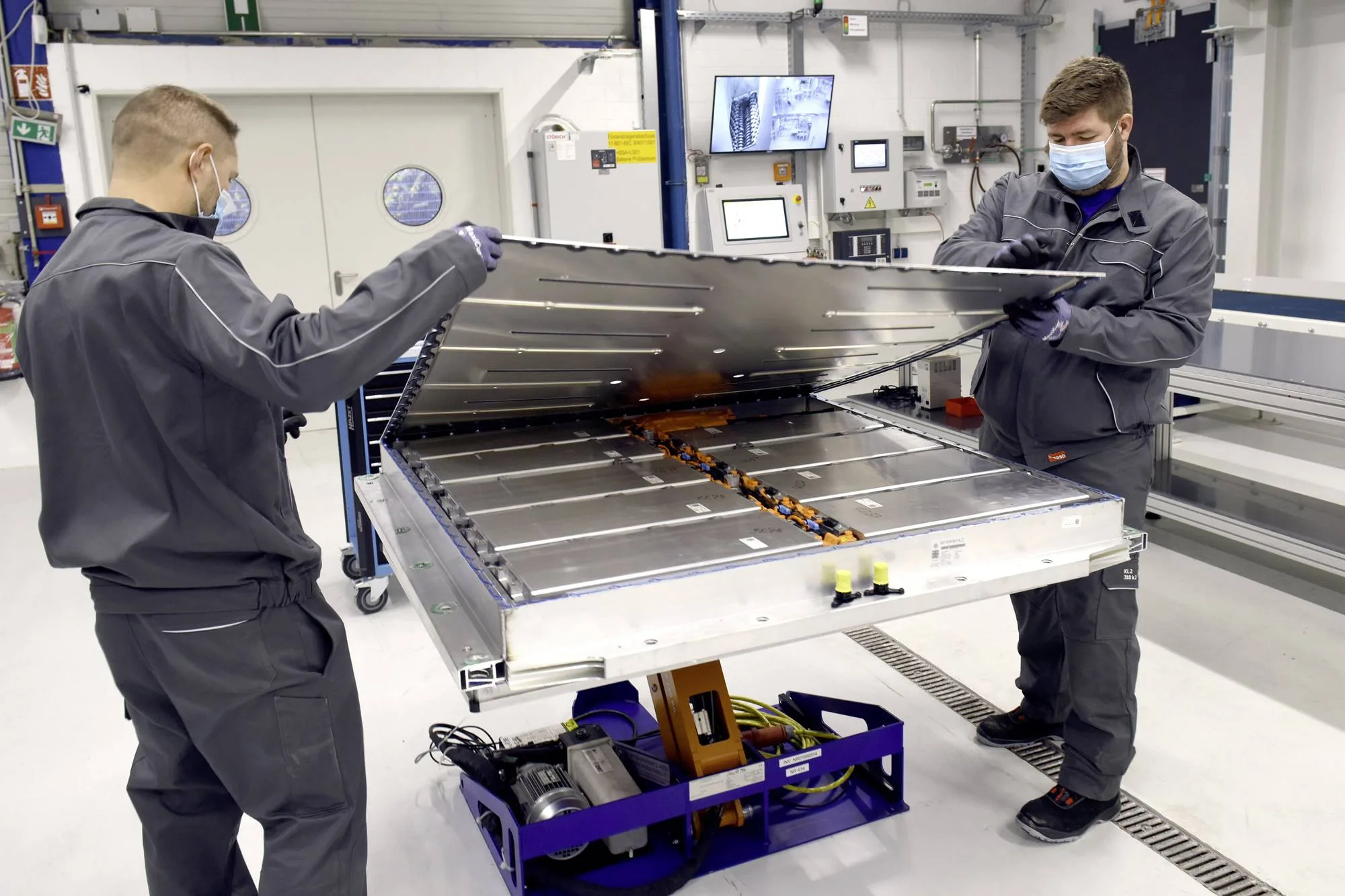
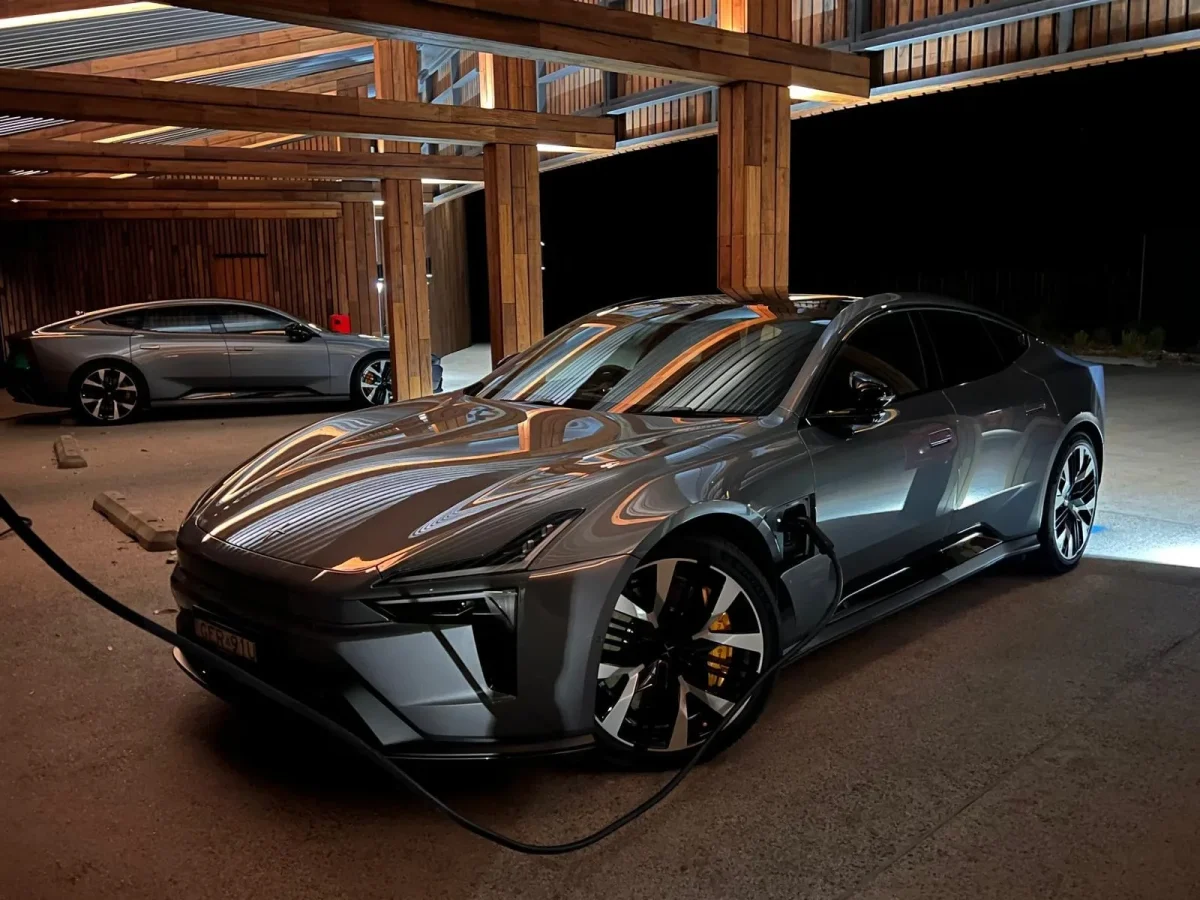
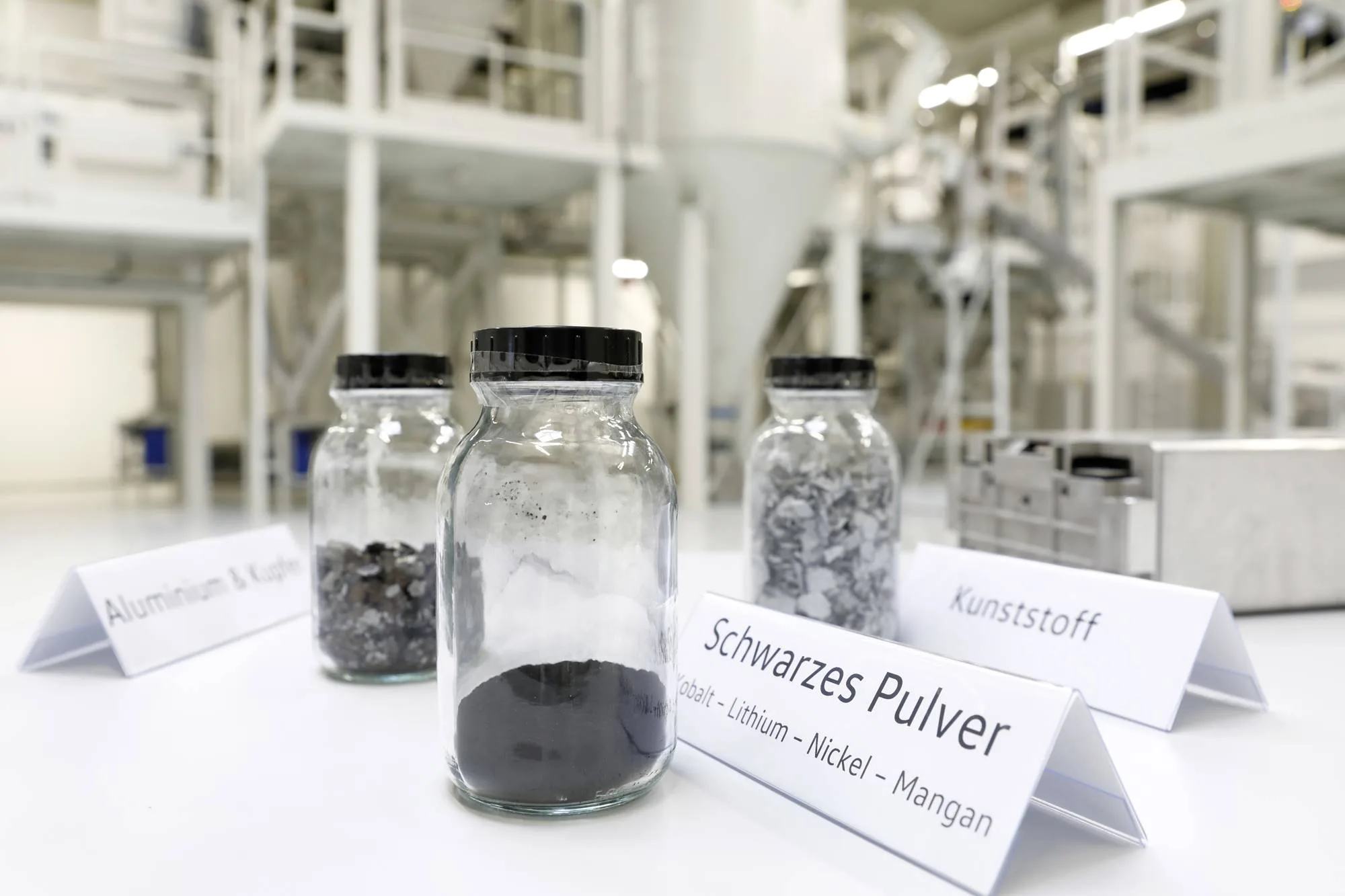

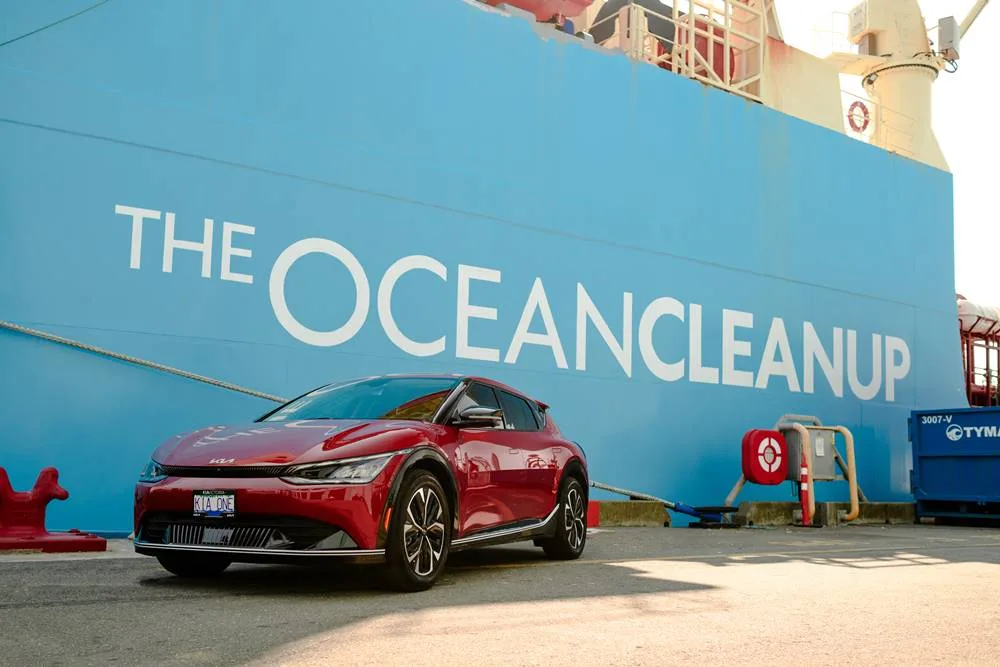
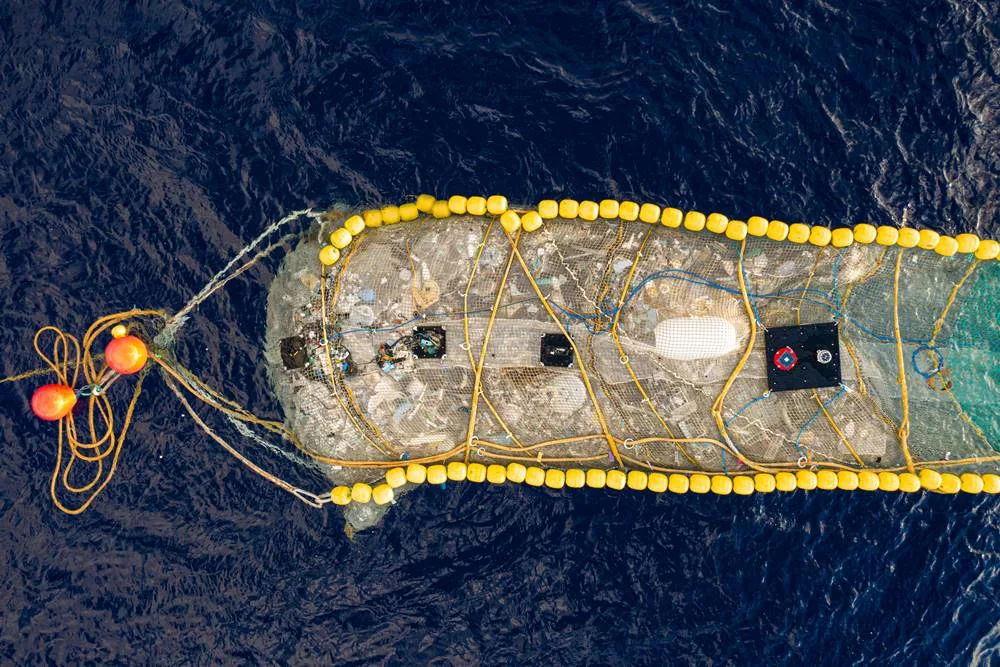
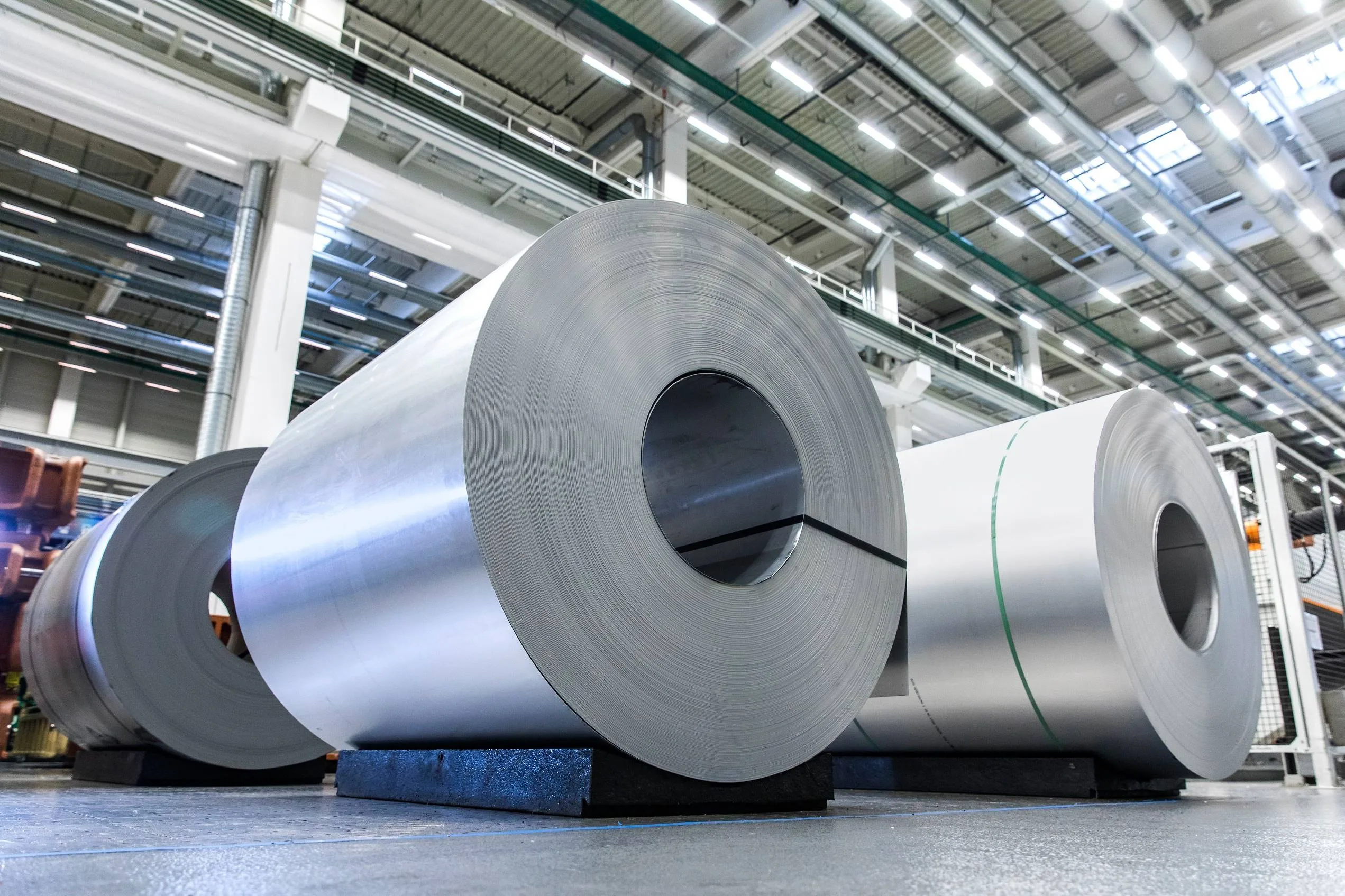
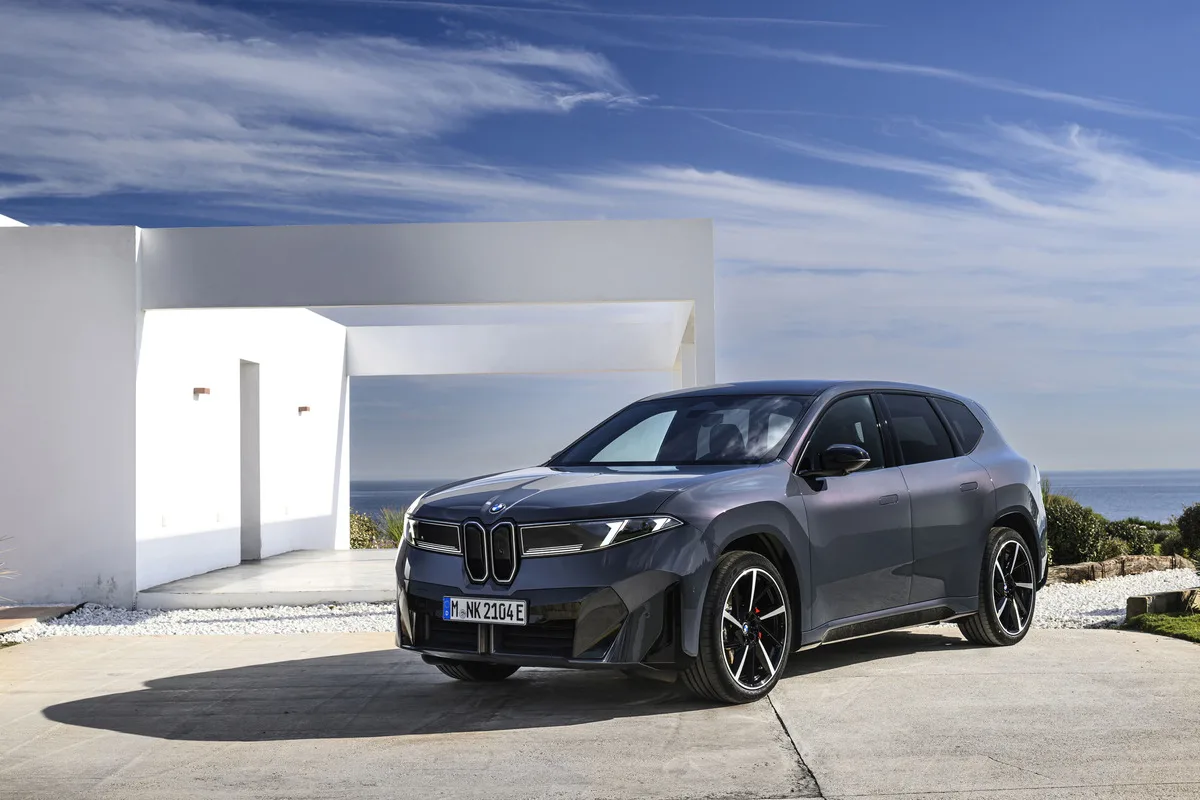
ABOVE: Recycled plastics, metals and batteries
Aluminium shows how much the source matters. Of the aluminium in Polestar 5, 13% is recycled and 83% comes from smelters on renewable electricity, which the report credits with avoiding more than 14 tonnes of CO2e per car. Over 200,000km, including scrapping it at the end, Polestar 5 adds up to 38.6 tonnes on the global electricity mix and about 28.5 tonnes on the European mix. Polestar’s own report warns there’s no official LCA standard for vehicles, so lining its figures up against another maker’s needs care.
Polestar does the same for the rest of the range, from 2027 Polestar 3 to Polestar 4 SUV.
Petrol Burns Once and Stays Burnt
The ICCT ran the numbers in July 2025 for a medium car in Europe, driven from 2025 to 2044 on the grid as it’s expected to change. A battery EV comes out at 63g CO2e per kilometre against 235g for petrol, which is 73% lower, and up to 78% lower on renewable power. Hybrids manage about 20% lower than petrol, and plug-in hybrids about 30%. Building the EV produces about 40% more emissions than building the petrol car, and it recovers that in use.
Coal power makes our figures worse without changing the order. The Electric Vehicle Council‘s 2023 lifecycle calculator puts an EV at 121g/km against 279g/km for petrol over 200,000km. The UTS Transport and Energy Research group found 349 to 390g/km for petrol and 221 to 255g/km for a battery EV in 2022. A 2019 analysis found EVs about 20% lower even on Victoria’s brown-coal grid, and 88% lower in Tasmania.
There’s also a difference no tailpipe figure shows. Petrol that’s been burnt is in the air for good. The aluminium and steel in the body, the plastic in the cabin, and the nickel, cobalt, copper, and lithium in the battery are all still there when the car goes to the wreckers. Whether any of it comes back depends on knowing what it is.
Tracing the Whole Car
Volvo started up the chain years ago. It commissioned Circulor to build a distributed-ledger trace for battery cobalt and later mica, and Polestar used Circulor’s blockchain tracing for cobalt in Polestar 2 from 2020. Catena-X, founded in May 2021, takes it past the battery. It’s a voluntary data network that lets suppliers pass on data such as materials and carbon along the chain. Its founders include BMW, Mercedes-Benz, Volkswagen, Bosch, ZF, Schaeffler, BASF, SAP, and Siemens.
Plastic Out of the Sea and Into the Cabin
BMW Neue Klasse uses trim parts, inside and out, made from plastic whose raw material is about 30% recycled fishing nets and ropes, developed with Danish firm PLASTIX. BMW Group puts their carbon footprint about 25% below conventional plastic parts. In BMW iX3 the seat fabric yarn is entirely recycled PET, and the seat cover is a single material so it can be recycled again. BMW wants 40% secondary material in its thermoplastics by 2030, up from about 20%.
Kia’s partnership with The Ocean Cleanup started in April 2022 as a 7-year deal. Kia EV3’s accessory boot liner is 40% recycled ocean plastic from the Great Pacific Garbage Patch. Kia EV9’s carpets include recycled fishing nets, and Kia is targeting more than 20% recycled plastic by 2030. Hyundai IONIQ 5 uses ECONYL nylon for its floor mats, made from nylon waste that includes old fishing nets, and paint made with plant-based oil on the dashboard and door trim.
Volvo puts the recycled plastic in Volvo EX30 at about 17%, from interior parts to the bumpers, the highest share in any Volvo so far.
Aluminium and Steel Go Round Again
Audi’s Aluminium Closed Loop has been going since 2017, first at Neckarsulm and then at Ingolstadt, Győr, and VW’s Bratislava plant. Offcuts from the press shop go back to the aluminium supplier and are remelted into sheet of the same quality. Audi’s figures put the saving at more than 725,000 tonnes of CO2 from 2017 to 2021, with 195,000 tonnes in 2021 alone.
Recycled aluminium needs a fraction of the energy of new metal, and it can go round again without losing strength. BMW’s figures have secondary materials making up a third of everything in iX3 50 xDrive. The wheel carriers and swivel bearings are 80% secondary aluminium, and the cast wheels 70%. Volvo EX30 uses about 25% recycled aluminium and about 17% recycled steel.
End-of-Life Rules for the Whole Car
The EU is moving on the rest of the car. A provisional deal in December 2025 merged 2 directives into one End-of-Life Vehicles Regulation. It adds a Circularity Vehicle Passport and EU-wide producer responsibility. Minimum recycled content and rules on reusing parts come with it. The recycled plastic target was cut from 25% to 15% in that deal, and environment groups EEB and DUH said it falls short. The Council reportedly adopted it on the 29th of June 2026, and it applies 2 years after it enters into force.
Batteries Get Reused, Then Recycled
Batteries get their own law sooner. From the 18th of February 2027, every EV battery over 2kWh sold in the EU needs a digital battery passport under the EU Battery Regulation, read from a QR code. Recyclers must recover 90% of the cobalt, copper, lead, and nickel and 50% of the lithium by the end of 2027, rising to 95% and 80% by the end of 2031. From August 2031, new batteries must contain at least 16% recycled cobalt and 6% each of lithium and nickel. In 2036 that rises to 26% cobalt, 12% lithium, and 15% nickel. Cars on platforms built for Europe are likely to bring those passports with them wherever they’re sold.
Those targets are already being beaten. Redwood Materials in the US, founded by former Tesla CTO JB Straubel, recovers 95% to 98% of the nickel and cobalt in old packs. Copper comes back at the same rate, and lithium at more than 80%. Volvo was an early partner in its collection programme. BMW’s Gen6 cells in iX3 are made with 50% secondary cobalt, lithium, and nickel.
Not every tired pack needs shredding first. Relectrify got $1.49m from ARENA towards a $3.3m project to roll out 20 commercial and industrial storage systems built from second-life EV packs. Flinders University is working with Mitsubishi and ResourceCo on turning old packs into storage for remote communities, as well as homes and farms. The snag is knowing how healthy a used pack is, because battery-health testing tools can vary by 10% to 15%, and that uncertainty is a barrier to reuse. Livium’s Envirostream collected 667 tonnes of large-format lithium-ion batteries, from EVs and stationary storage, in FY25.
Figures from Polestar’s LCA report for Polestar 5, ICCT, Electric Vehicle Council, UTS, BMW Group, Kia, Hyundai, Volvo, Audi, EU Battery Regulation, and ARENA.
Above: Polestar launches Polestar 5 and we stay at SeaStacks. Polestar 5 quick review to follow
#SeaStacks #Bicheno #polestar5 #Tasmania #CoastalArchitecture #MidCenturyModern
Help Support Gay Car Boys Subscribe to our Youtube Channel by SMASHING THE BUTTON ABOVE
More Electric Stories
- Volvo NVIDIA Deal Puts Eyes-Off Driving in the Next Volvo
- Sea Stacks Bicheno Is Self-Catered Luxury on Tasmania’s East Coast
- 2026 Geely EX2 Inspire Review Shames Mini at Half the Price

Alan Zurvas is the founder and editor of Gay Car Boys, Australia's leading LGBTQI+ automotive publication. Before launching GCB in 2008, Alan's automotive writing was published in SameSame.com.au and the Star Observer. With over 16 years of hands-on car reviewing experience, Alan brings an honest, irreverent voice to every review — championing value and innovation over brand loyalty.
Leave a Reply