When Polestar launched Polestar 3, there was fanfare and hoopla alongside the inevitable claims of redefining luxury. You can’t redefine luxury, the word has meaning already. The challenge is getting punters to accept a new paradigm? Will they expect a smoke-filled gent’s club? What is luxury anyway?
If your idea of luxury is a smoke-filled gent’s club full of heavy leather wing chairs, chiming analogue clocks and powder-wigged flunkies called Georges, think again. Unlike an old Roller whose plush, detached ride isolates its riders from reality, something that was probably already true, Polestar 3 is a full 180.
Polestar’s version of luxury is Scandi minimalism, a sharp, athletic, look, a subtle understated interior, and although fiercely digital, not a slap-it-in-your-face German crass-o-rama.
But there was a catch. The launch model felt like a glamorous red-carpet walk, in gum boots. What’s under the frock was a bit skewwhiff, a bit “All fur coat and no knickers.”
She was a heavy lassie, her 400-volt architecture felt a trifle dated against her shiny rivals, and the tech, while ambitious, could be nervous and jittery.
Above: 2026 Subaru Outback Premium Underpower and Expensive
#SubaruOutback, #Subaru, #SUVReview, #HavalH6GT, #GayCarBoys

Help Support Gay Car Boys Subscribe to our Youtube Channel by SMASHING THE BUTTON ABOVE


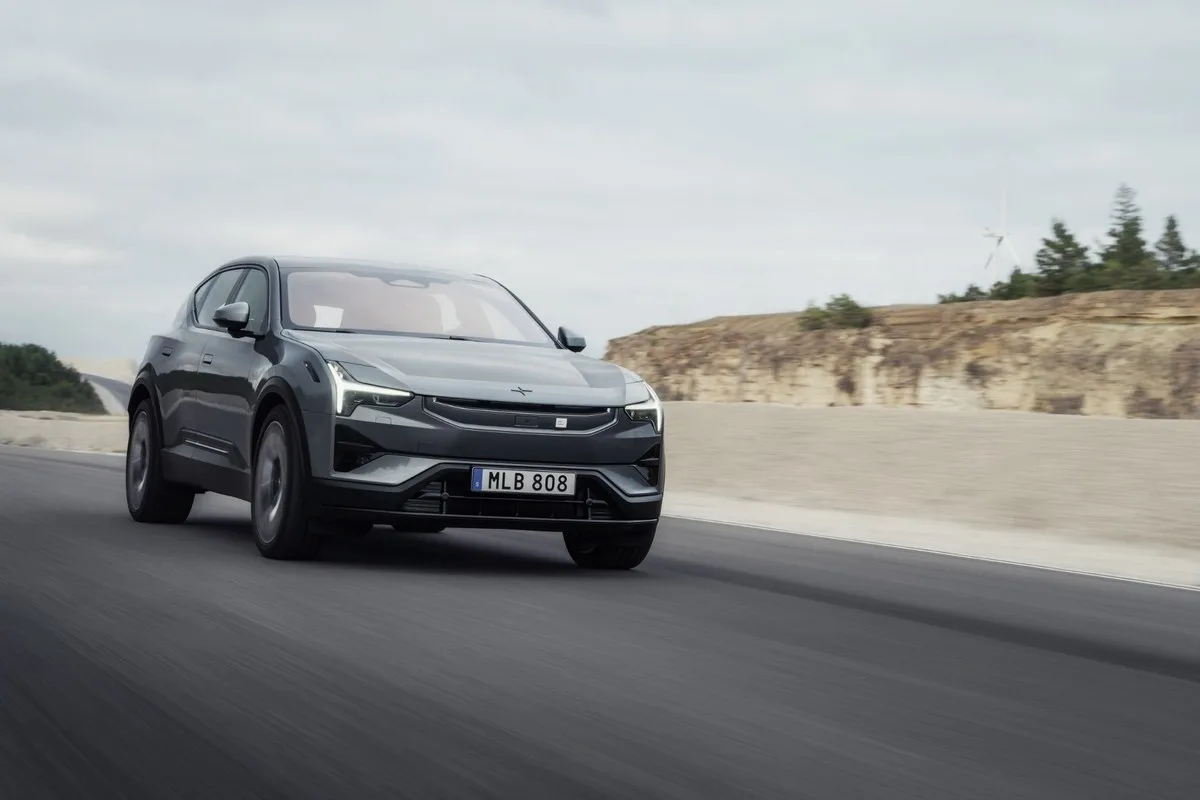

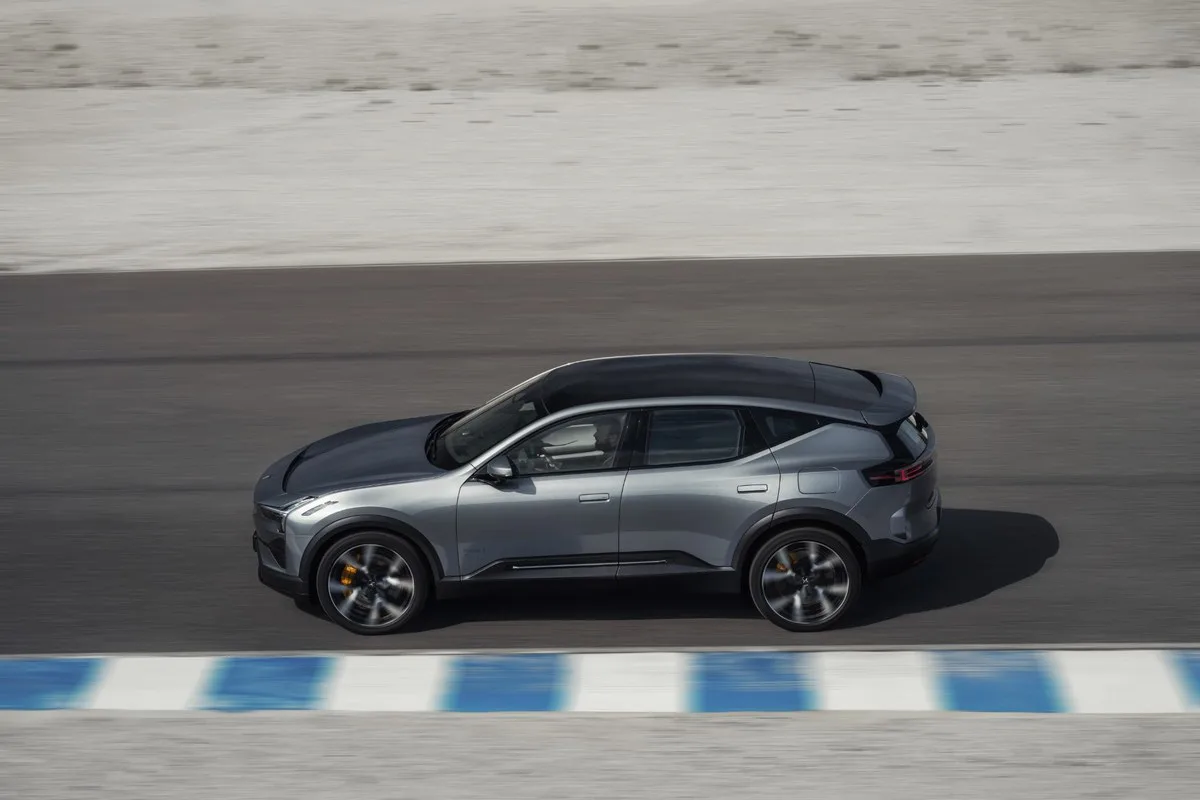


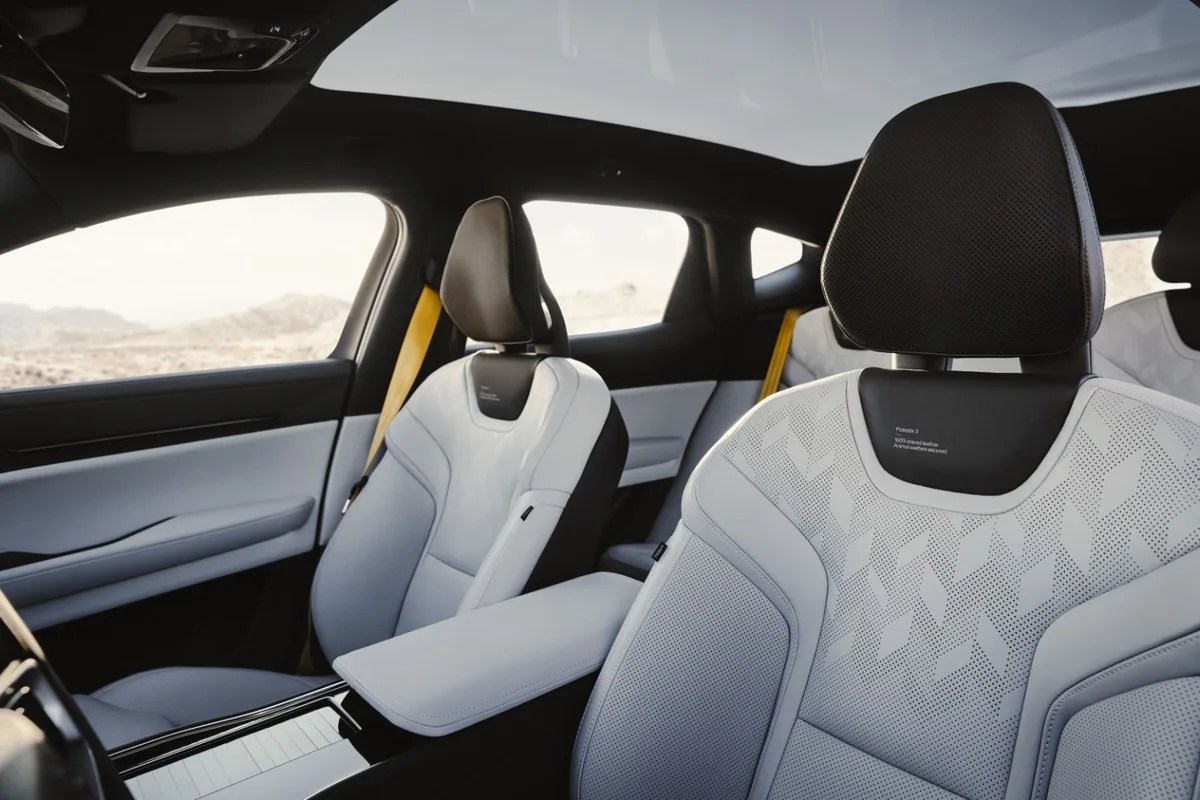
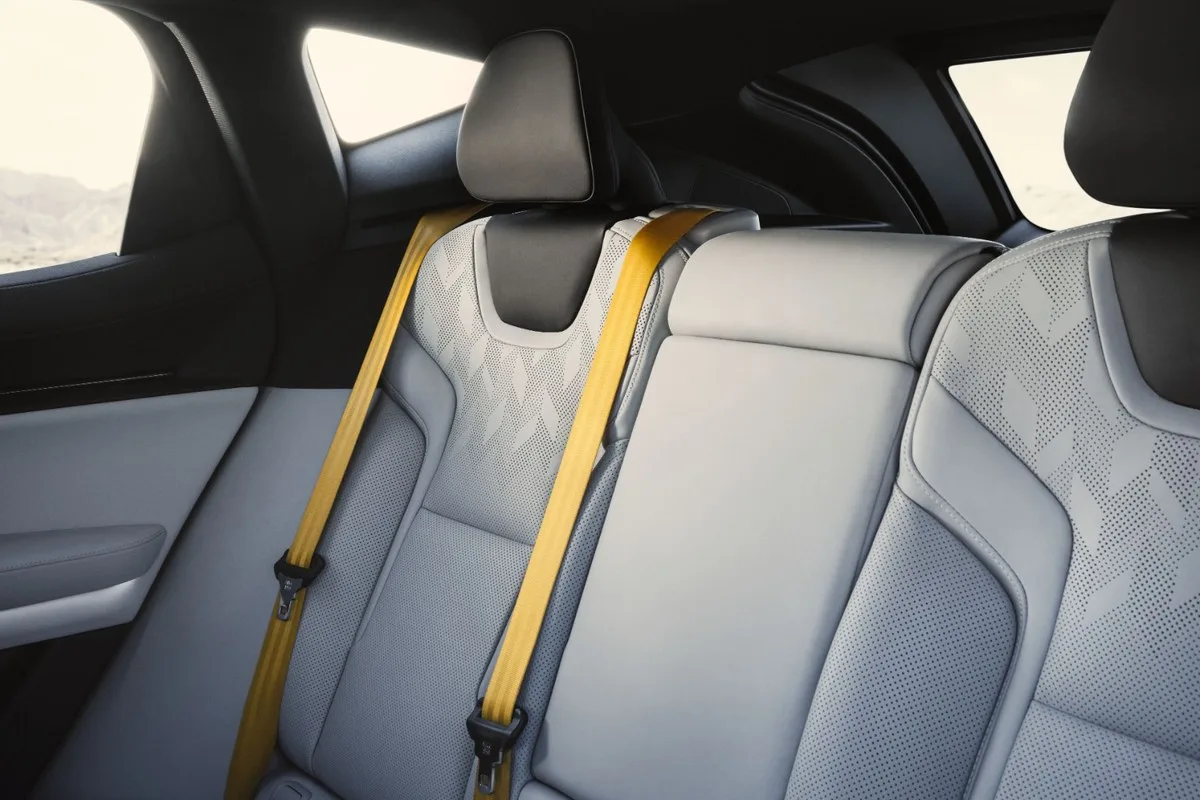
ABOVE: 2027 Polestar 3
This week was even more marked than usual. We stepped across a chasm, the divide between Geely’s cheap EX5 Inspire into its range-topping Polestar 3 masterpiece. To be even more specific, it is the range-topper pending this week’s release of the sinuous Polestar 5 GT. Stay tuned for our launch review on that little gem.
The Anti-Obsolescence Party
In the automotive world, early adopters are usually punters penning points for a country club Christmas catch-up. Buy the launch model, and you’re rocking stale silicon while the facelift gets the good stuff from the back of the fridge.
Just as things seemed a bit grim, Polestar pulled off a staggeringly rare customer-focused shimmy. To bridge the Silicon Valley gap between the creaking old Android 12 and the ship-shaped-Bristol-fashion Android 15, Polestar sailed a “brain transplant” into the launch model’s docks.
The posh owners were invited back to the lavish service centres to sip chardy while a couple blokes in white coats ripped out the original, struggling Nvidia Xavier chip. In its place, the muscular 254-TOPS Nvidia Orin processor from our MY27 car was installed. While not much can be done with the 400V undercarriage, an unprecedented hardware tart-up completely erases first-year depreciation anxiety.
On a quick sidenote: we were able to set up our personalised Google experience, add our phone as a digital key, and axe the unwanted dash chants in record time. The Android Automotive OS has not put a foot wrong, so far.
The Drive: From Blunt Instrument to Sharp Performer
The 2027 updates honed Polestar’s idea of luxury rather than redefining it. The drive was already great, and now it’s sharper.
The 800-volt system lifts charging speed and transforms power delivery. Pin the throttle out of a corner, and the urgency is relentless.
Polestar fettled the chassis, tickling the anti-roll bars and tweaking the steering software. Combined with more rear-bias from the new in-house rear motor, the heavy SUV shrinks around you.
It feels more direct, pivoting with an urgency that gives BMW’s benchmark iX a serious kick in the shins.
Peak DC charging went from 250kW to 350kW, so 10-80% takes 22mins. For a car reviewer touring regional routes, it turns a tedious chore into a quick macchiato break.
This may not matter as much now as it will in the future. Most DC charging languishes in the dregs of expectation, manacled by a wasted decade of unhinged conservative propaganda. The Chinese hyper chargers are coming, and will be a middle finger to knuckle draggers and Poorleen voters alike. Though, that’s one and the same.
The Passenger Experience: Silicon Valley Meets Gothenburg
The driver gets a sharper tool, but the passengers get a vastly superior lounge. The transition from Android Automotive OS 12 to Android 15 has made the cosy cabin a cosseting cocoon from which they watch the scape slide by, at speed.
The bigger change is the screen. The old system lagged, a sin when the mirror and climate controls are buried in the touchscreen. Now it’s snappy, and a passenger can fiddle with the 14.5-inch centre screen without upsetting the driver’s 9-inch display or the head-up display by making it all freeze up.
It’s a fully baked, formidable alternative to the overbaked German frumps.
FULL Review of the RWD to follow, and the AWD in a few weeks.
Likes
- 800-volt architecture
- Snappy new screen software
- Sharper rear-biased handling
Dislikes
- Still a heavy SUV
- Mirrors and climate on touchscreen
- Lacks Polestar 4’s electro shade roof
More Polestar Stories
- Polestar 4 Coupe Price Drops $4,600 To Match the SUV
- Polestar 4 SUV Gets Real Glass And Smart AI That Fixes The Flaws
- Polestar 4 updated with better ride, lower footprint and unchanged price

Alan Zurvas is the founder and editor of Gay Car Boys, Australia's leading LGBTQI+ automotive publication. Before launching GCB in 2008, Alan's automotive writing was published in SameSame.com.au and the Star Observer. With over 16 years of hands-on car reviewing experience, Alan brings an honest, irreverent voice to every review — championing value and innovation over brand loyalty.
Leave a Reply