
Picture this: You’re in the middle of watching your favourite reality show when—bam!—the lights go out. In the good old days, you’d scramble for a torch and start hunting for candles. But in the brave new world of electric vehicles, your car might just save the day. That is, if it’s not a Tesla.
Yes, despite its reputation for innovation, Tesla has opted out of the Vehicle-to-Home (VTH) and Vehicle-to-Grid (VTG) game. It’s hardly a shocker given the brand’s well-documented resistance to making customers’ lives easier. But other brands are stepping up where Tesla refuses to tread.
VTL, VTH, and VTG – What’s the Difference?
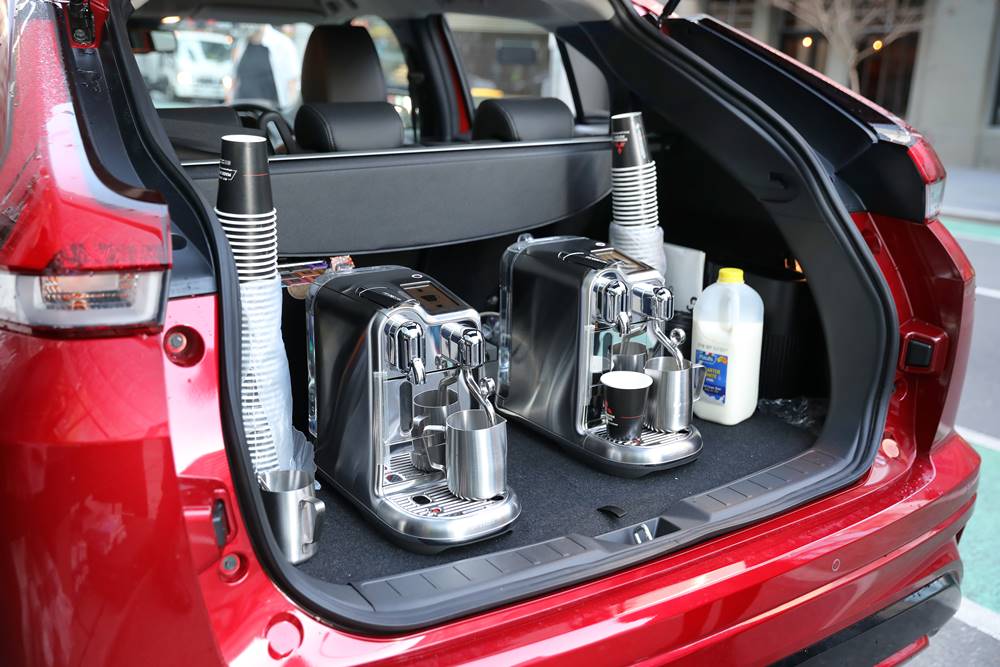
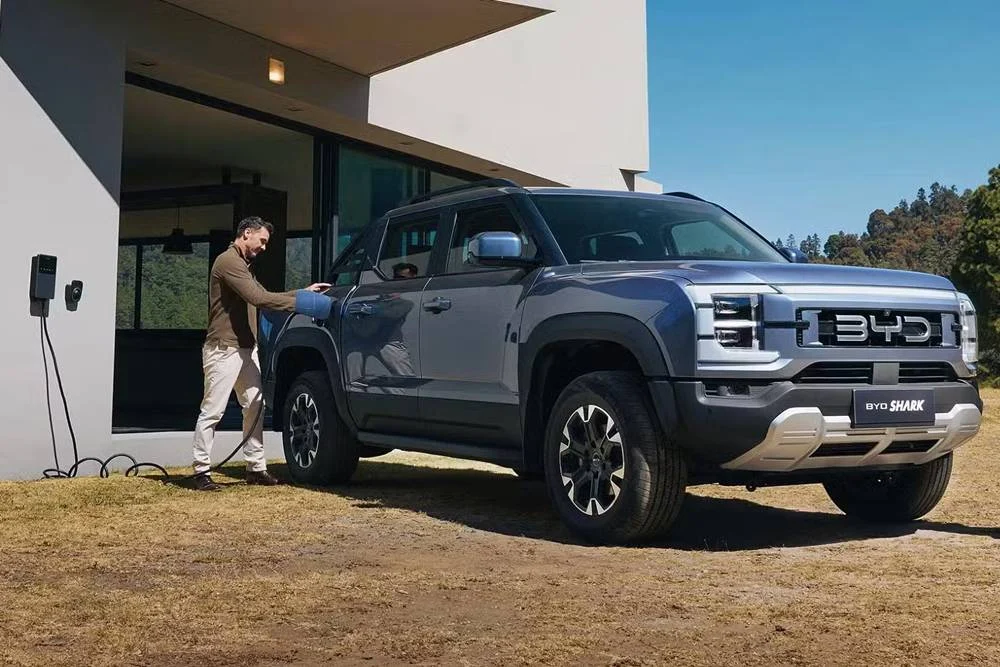
Vehicle-to-Load (VTL) is the simplest form of external power. Some EVs come with a regular household socket inside or on the exterior via an adapter, allowing you to power small appliances directly. Handy for a camping trip or keeping the fridge running in a blackout, but limited to around 3kW.
VTH takes things up a notch, connecting your car’s battery directly to your home’s power system. This means you can use household appliances normally (within reason) during an outage. VTG goes even further by allowing your EV to send energy back to the grid, turning your car into a mini power plant. Some places even let you sell excess energy back to energy providers, making your car work for you even when it’s parked.
Above: This Week’s VIDEO Review –2025 Kia K4 Sport Review OK drive despite its looks- Alan Zurvas
#kia, #2025KiaK4, #gaycarboys, #alanzurvas
Above: This Week’s VIDEO Review –Atoto CB6 AI CarPlay & Android Auto Wireless adaptor – REVIEW BEST AI BOX – Alan Zurvas
#atoto, #atotocb6, #wirelessapplecarplay, #wirlessandroidauto, #gaycarboys, #alanzurvas




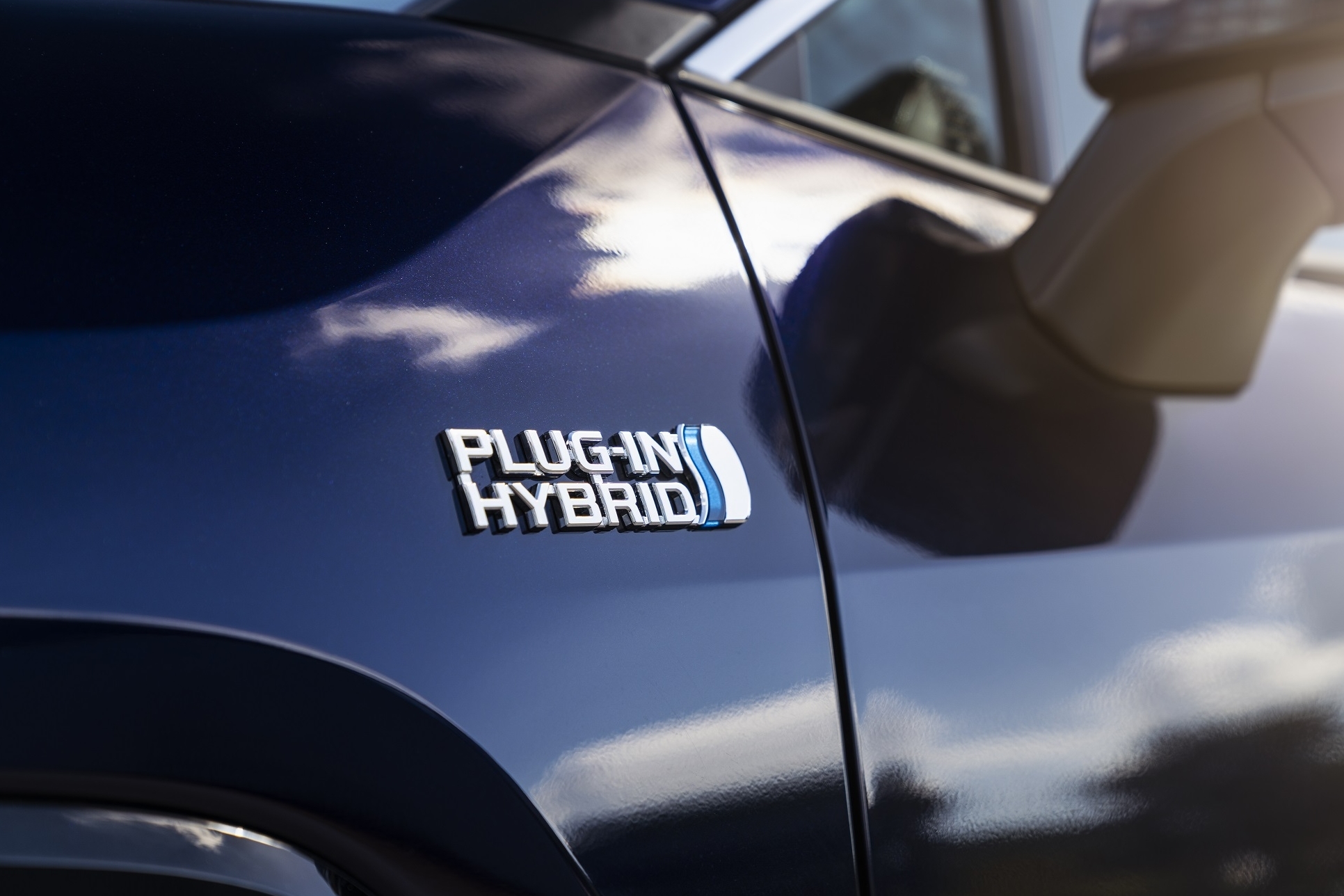
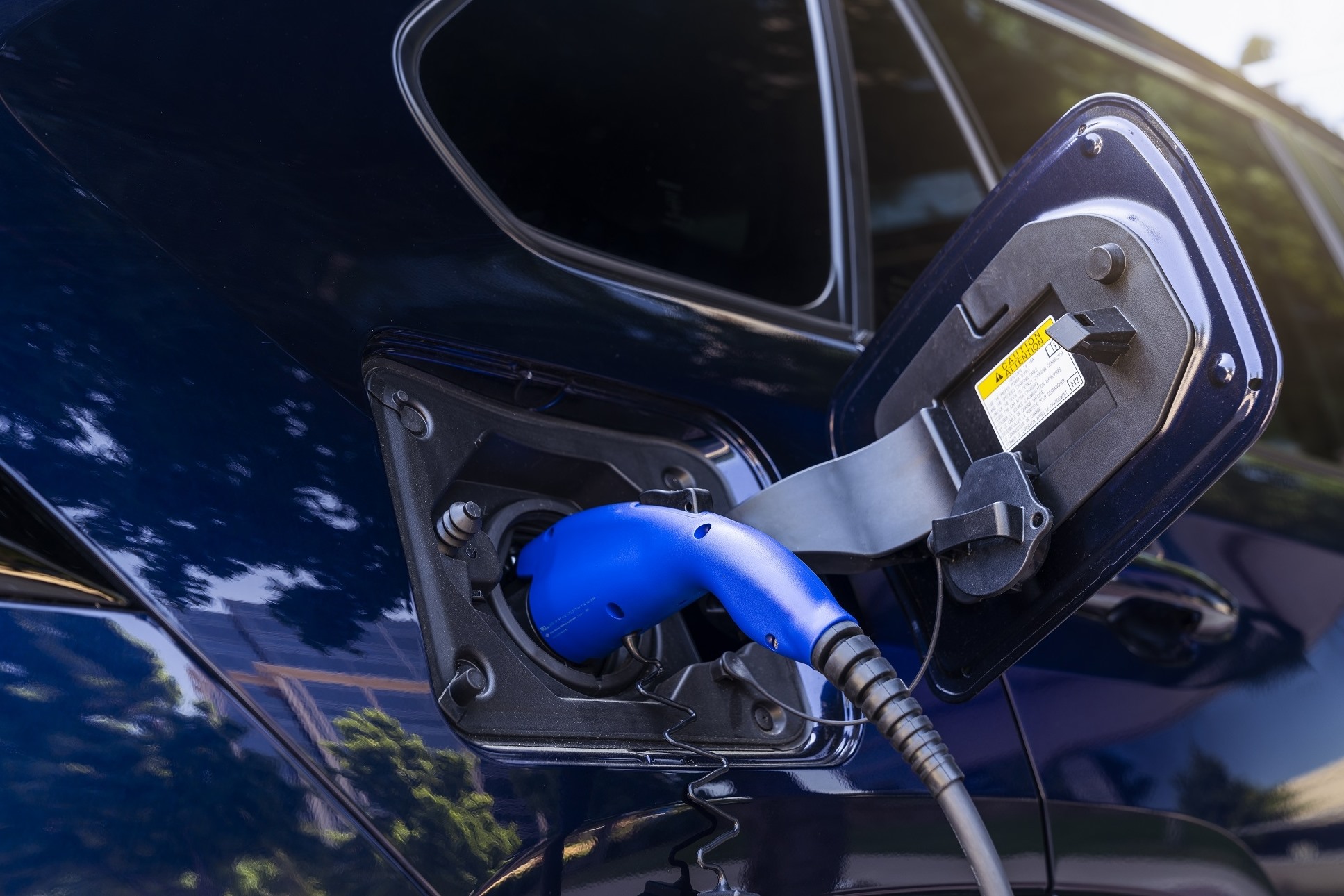
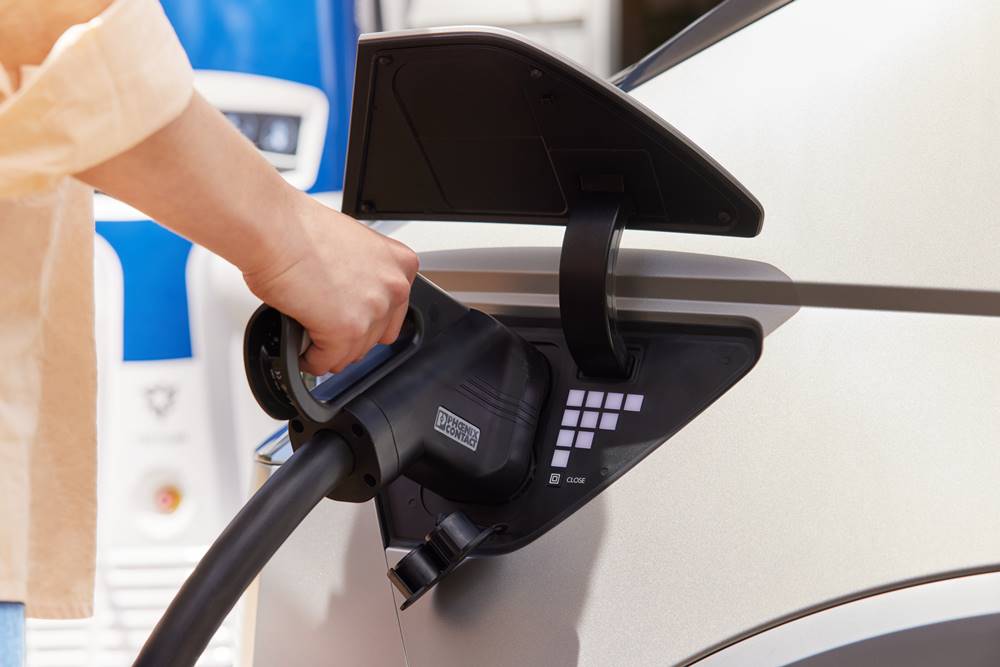
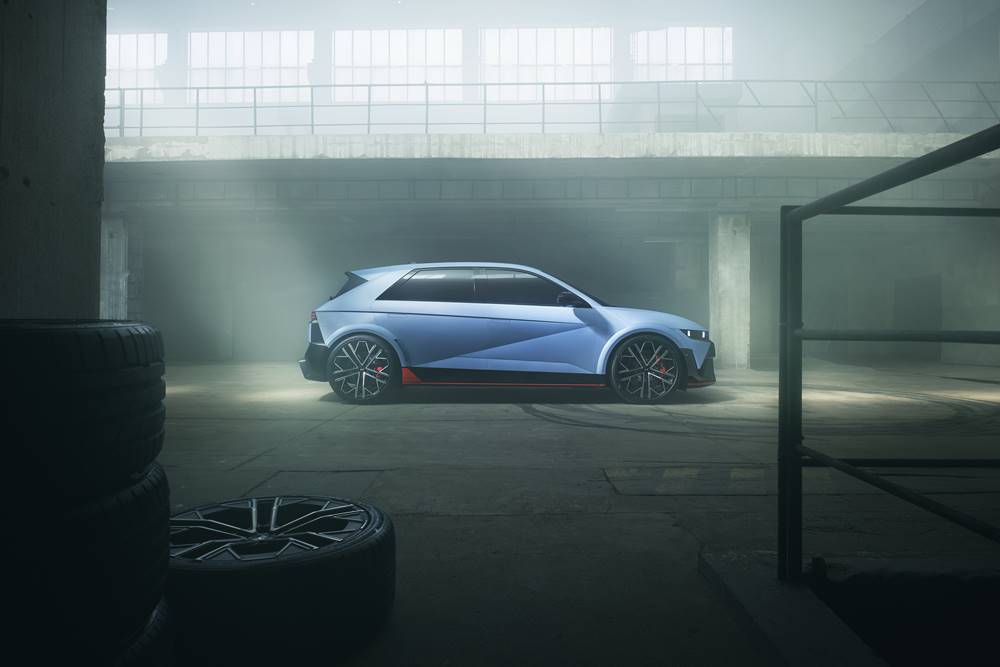
ABOVE: EVs
The Reality in Australia
Sadly, Australia’s snail-paced adoption of renewables means that VTG is still in its infancy here. While the ACT ran some promising trials, only South Australia currently allows VTG on a broader scale. That leaves most Aussie EV owners stuck with VTL, while other countries enjoy the full trifecta of VTL, VTH, and VTG.
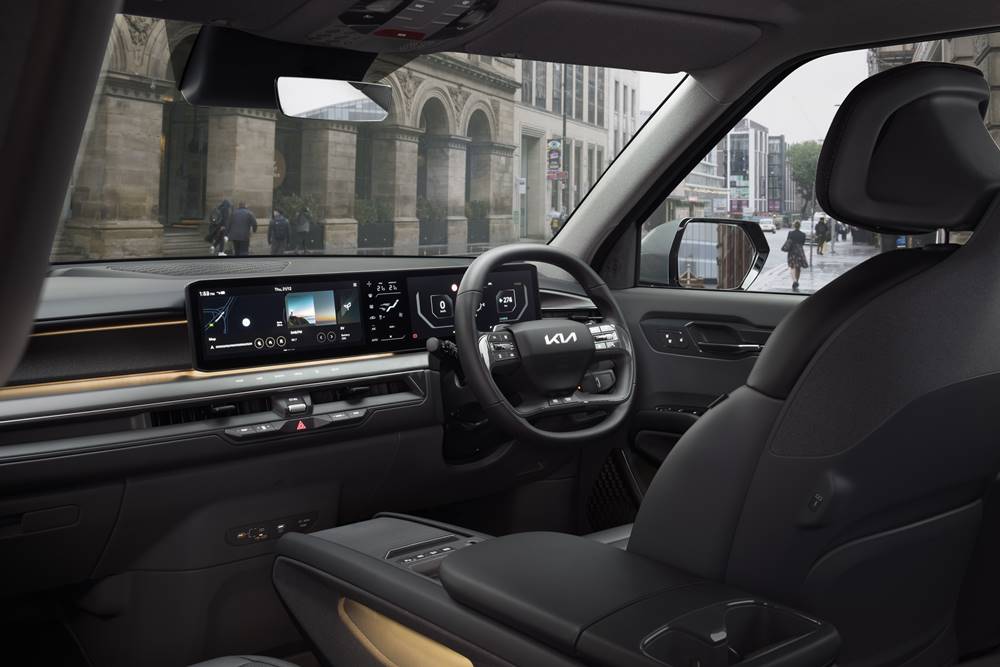
Kia’s EV9 and EV5 both offer all three features, but not in Australia—yet. Other brands may unlock VTG capability via a software update, but for now, it’s mostly a waiting game.
The Catch? Battery Life
While using an EV as a home power source sounds fantastic, it’s not without drawbacks. Battery longevity is affected by charge and discharge cycles, temperature, and overall use. The good news? Studies suggest that slow VTG discharge rates don’t necessarily degrade battery life—some even indicate that controlled grid storage can extend battery longevity.
Should You Plug In?
If your EV has a power outlet inside, you’ve got at least VTL. For anything more advanced, check your user manual. As the technology improves and regulations catch up, future EVs could double as personal power stations, making blackouts a thing of the past. Until then, maybe keep those candles handy.
There is a very good Wiki article on the subject HERE
Other GayCarBoys EV Stories:
- The Trouble with Electric Car Charging-Polestar 2
- 2022 Polestar 2 Dual Motor Review
- Polestar 2’s Android Google Operating System Top 10 Tips
- Polestar 2 VS Tesla Model 3
- Polestar 2 Where Its Google OS is Star-Trek-Meets-Car-Trek
- How Much and How Long to Charge My Polestar 2?
- We drive 2019 Jaguar I-Pace SE EV400 Electric car
- 2023 IONIQ5 Epiq VS 2023 Genesis GV70 Electrified IS ONE BETTER?
- 2021 Hyundai IONIQ 5 EV Review
- KIA’s EV6 is Finally Here: What a Cracker! FULL REVIEW
- 2021 KIA Niro EV, PHEV and Hybrid First Drive
- Hyundai NEXO Hydrogen Fuel Cell SUV REVIEW
- Is Hyundai’s Kona EV the Best Electric Car on the Market?t
- Audi E- Tron 50 Review PT 1: EV Myths BUSTED!
- 2021 Audi E-Tron 50 Sportback Review: PT 2 The Drive
- 2019 Jaguar I-Pace SE EV400 Driven and rated in GALSTON GORGE Australia Video Review
- Nissan LEAF 2019: All New EV Powers Your Home VIDEO REVIEW
- Hyundai’s 2019 Electric Ioniq: The cheapest EV In Australia?
- New Nissan Leaf Could Power Your Home for a Week
- Tesla Model 3 Colors and Price
- Charging My tesla Model 3
- Tesla Model 3 Full Review Inside, outside, and Roadtest
- Mini Cooper SE electric
- Karma Starts E-Flex Prototype Testing
- Is Karma Automotive’s New E-Flex Platform a Game Changer
SHORT Video Review: Lexus LC500 Convertible Roof operation. Mesmerising. Sorry about the rubbish background
@lexus, #lexuslc500convertible, #alanzurvas, #gaycarboys
#automobile #shorts #audietrongtrs #gaycarboys #alanzurvas ##shorts
Discover more from Gay Car Boys
Subscribe to get the latest posts sent to your email.













Leave a Reply