
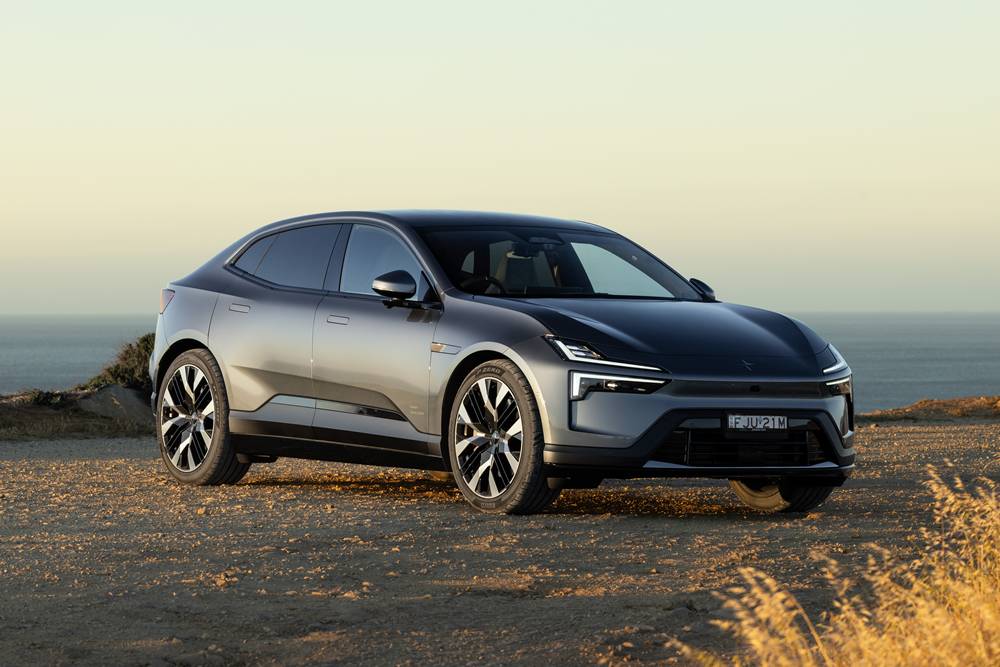
March 2025 New Car Sales: EV Sales Stagnate as PHEVs Surge – says FCAI
March 2025 saw Australian new car sales reach 108,606 units, marking a slight 0.9% decline from the record-breaking figures of March 2024. While the market remains robust, the transition to electric vehicles (EVs) is faltering, raising questions about the viability of the federal government’s New Vehicle Efficiency Standard (NVES).
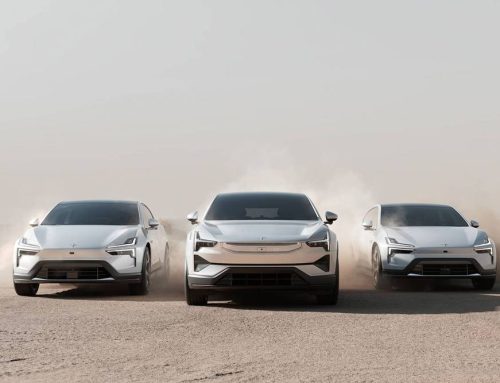
The standout story was the astronomical 380% surge in plug-in hybrid vehicle (PHEV) sales, driven by buyers rushing to beat the April 1st removal of the Commonwealth Government’s FBT exemption. However, pure EVs accounted for 4.9% of total sales, and although a significant drop from 9.5% in March 2024 two EV brands (Tesla and Polestar) has sales figures reported in the 2023 total but not in the 2025 total. This time last year Tesla had 6835 sales, so removing Tesla and Polestar from this year’s results distorts the figures beyond usefulness.
The two brands dispute the FCAI’s anti EV stance as evidenced by this quote: “We are at a critical point in transitioning to a lower-emission vehicle fleet. But the reality is clear: Australian families and businesses are not shifting in large numbers to EVs,” said FCAI chief executive Tony Weber. “While the supply of EVs is increasing, demand remains weak, and this is consistent with trends in several other advanced markets.” Mr Weber fails to mention the distorted figures presented by the two EV brands exclusion.
Above: This Week’s VIDEO Review –2025 Volvo EX90 “BMW Killer” Launch Review – Alan Zurvas
#volvo, #volvoEX90, #volvoEV, #alanzurvas, #gaycarboys

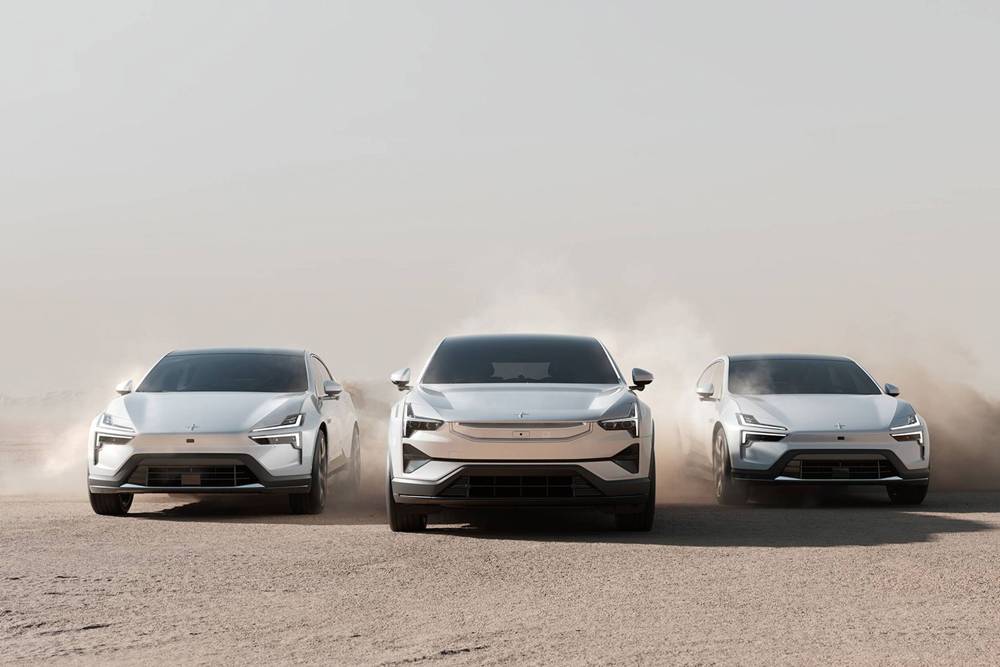


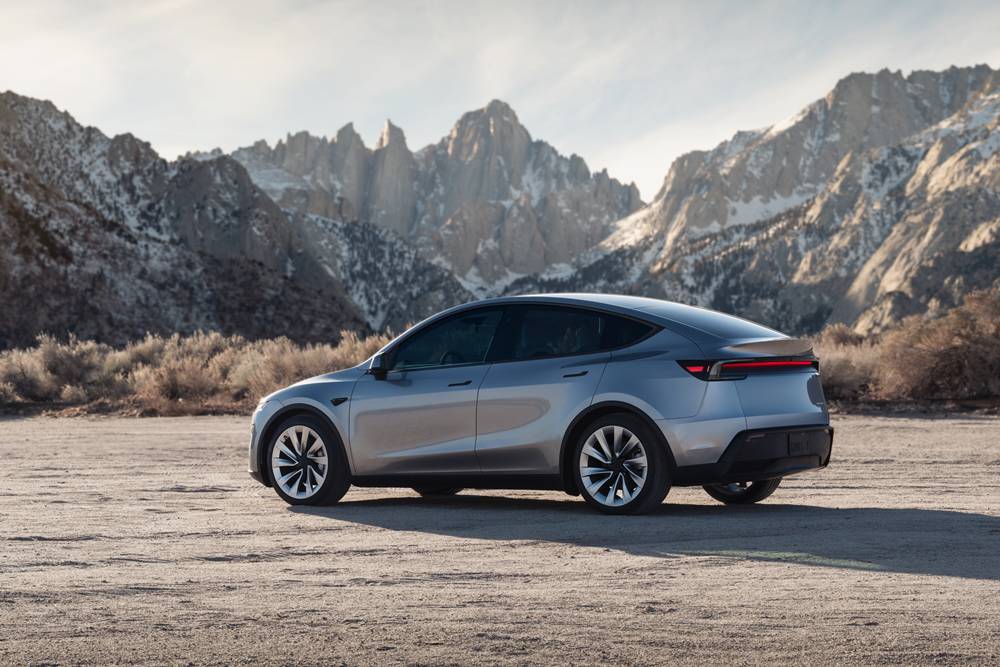

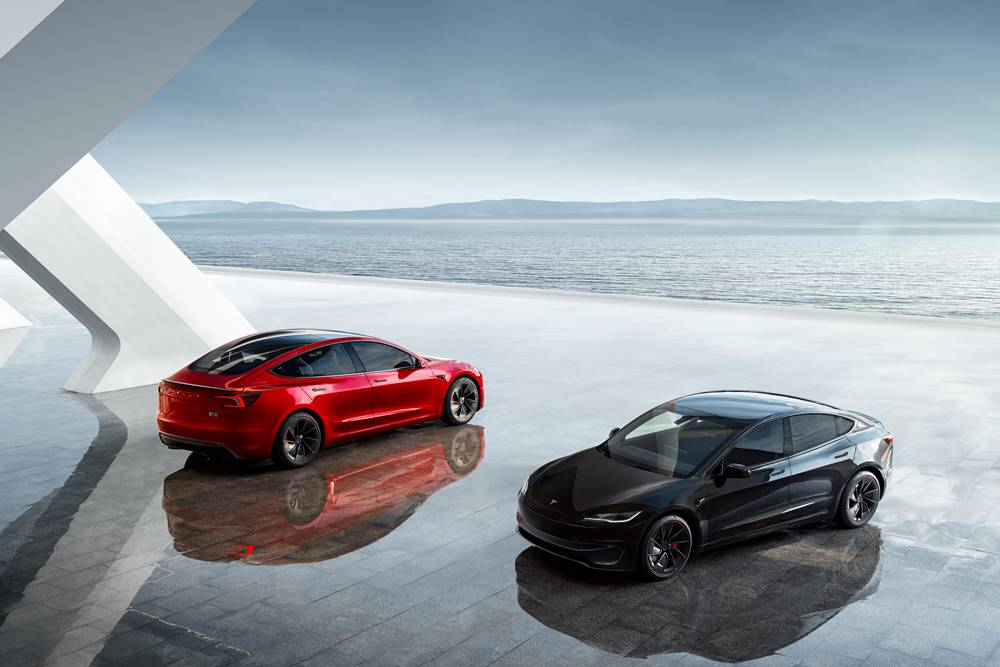
ABOVE: Tesla and Polestar model sales missing from FCAI figures
Remember, FACI membership costs relate to sales numbers in part, and the biggest selling brands in Australia do not have EVs in any more than token models.
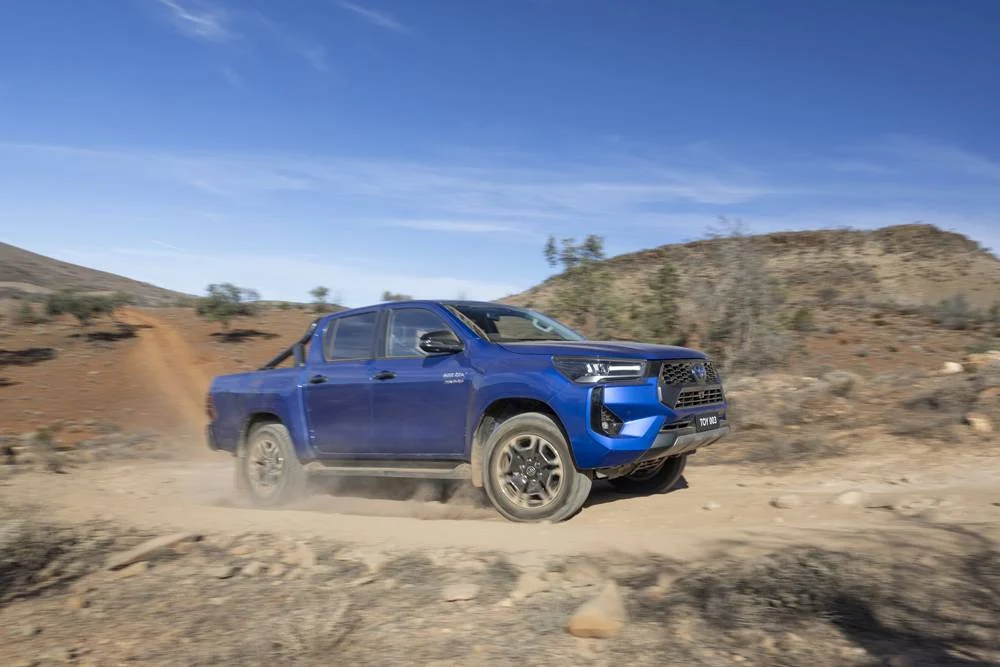
While SUV and light commercial vehicle sales continued to perform strongly, the passenger car segment struggled, with a 19.6% year-on-year drop. Toyota maintained its market dominance with 20,541 sales, followed by Ford (8,232) and Mazda (8,000). The Ford Ranger retained its position as Australia’s best-selling vehicle, followed closely by the Toyota RAV4 (4,321) and HiLux (4,081). Notably, the Toyota Prado saw a staggering 543.7% increase in sales compared to March 2024, indicating strong demand for traditional four-wheel drives, and the release of the arrival of the first new Prado in well over a decade.
State-by-state figures revealed mixed results. While Queensland (-6.8%), New South Wales (-0.9%), and Victoria (-1.9%) posted declines, Tasmania (+10.2%) and Western Australia (+9.1%) recorded strong growth, suggesting varying economic conditions and consumer confidence across the country.
With consumer demand for EVs proving weaker than expected (on the basis of inaccurate figures), industry leaders are questioning the government’s modelling and long-term policy direction. These industry leaders include the brands with little or no EV representation in their model range. FACI says early adopters have already embraced EVs, but the challenge remains in convincing mainstream buyers that electric mobility is the future. There is no evidence to support their statement
As seen elsewhere, addressing charging infrastructure, affordability, and incentives may be crucial to accelerating EV adoption in Australia, but the comments of the FCAI, should be taken with a grain of salt. Similarly, Japanese and American auto makers have been slow to react and their comments should also be treated with caution.
Other GayCarBoys EV Stories:
- The Trouble with Electric Car Charging-Polestar 2
- 2022 Polestar 2 Dual Motor Review
- Polestar 2’s Android Google Operating System Top 10 Tips
- Polestar 2 VS Tesla Model 3
- Polestar 2 Where Its Google OS is Star-Trek-Meets-Car-Trek
- How Much and How Long to Charge My Polestar 2?
- We drive 2019 Jaguar I-Pace SE EV400 Electric car
- 2023 IONIQ5 Epiq VS 2023 Genesis GV70 Electrified IS ONE BETTER?
- 2021 Hyundai IONIQ 5 EV Review
- KIA’s EV6 is Finally Here: What a Cracker! FULL REVIEW
- 2021 KIA Niro EV, PHEV and Hybrid First Drive
- Hyundai NEXO Hydrogen Fuel Cell SUV REVIEW
- Is Hyundai’s Kona EV the Best Electric Car on the Market?t
- Audi E- Tron 50 Review PT 1: EV Myths BUSTED!
SHORT Video Review: Lexus LC500 Convertible Roof operation. Mesmerising. Sorry about the rubbish background
@lexus, #lexuslc500convertible, #alanzurvas, #gaycarboys
#automobile #shorts #audietrongtrs #gaycarboys #alanzurvas ##shorts
Discover more from Gay Car Boys
Subscribe to get the latest posts sent to your email.












Leave a Reply