
Are Automotive Infotainment Systems Causing Accidents Rather than Prevent them?
Cars, even basic ones, are getting more and more complex. Phones are said to cause accidents, but are the infotainment systems even more distracting?
AAA Foundation for Traffic Safety is a USA-based research centre who found that car infotainment systems were getting more distracting the more complex the system. Even the voice-activated functions such as navigation distracted drivers for an average of 40 seconds.
Coincidentally, there was evidence to support the notion that as drivers became more dependent on safety systems, their driving behaviour changed, and not for the better.
This Week Review: 2022 Volkswagen Golf R Wagon REVIEWED and LOVED
Help Support Gay Car Boys Subscribe to our Youtube Channel
- Top GayCarBoys Stories:
- Sexy Men Drive 2021 Toyota Yaris Cross
- 10 Sexiest MotoGP Motorcycle Riders
- DON’T Drive YOUR CAR until you’ve Checked if your AIRBAG will KILL YOU
- 10 Hottest Racing Drivers
- Top 12 Best Gay Lesbian LGBTI Luxury Cars
- Top 10 Gay Lesbian LGBT Cars
- Top 10 Gay Lesbian LGBT Sports Cars
- Top 15 gay and lesbian LGBT SUVs
- Talented Twinks – Callum Ilott Virtually Races Arthur Leclerc

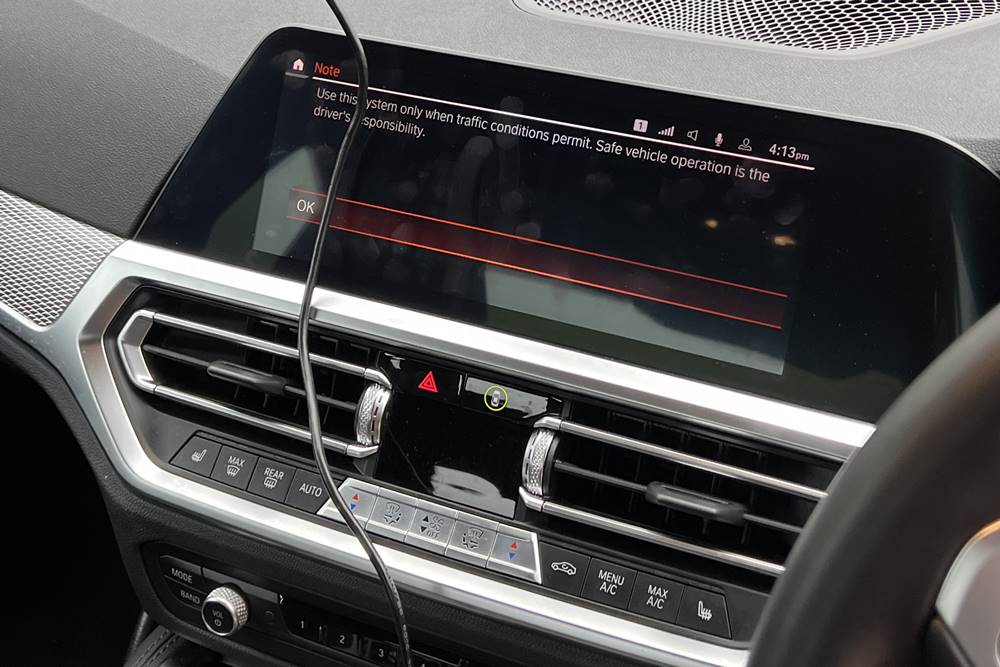

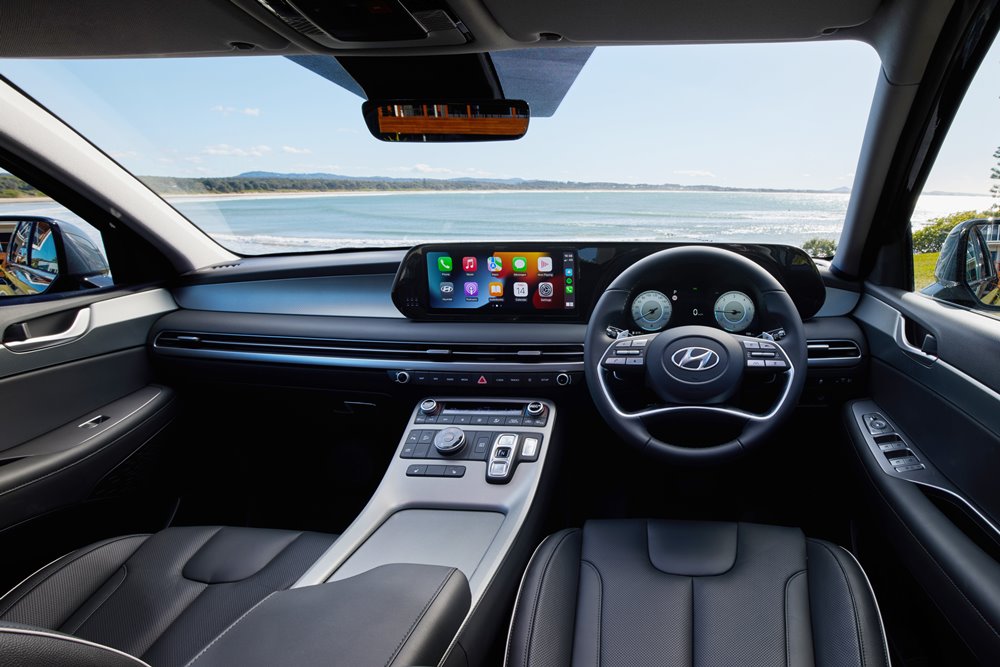
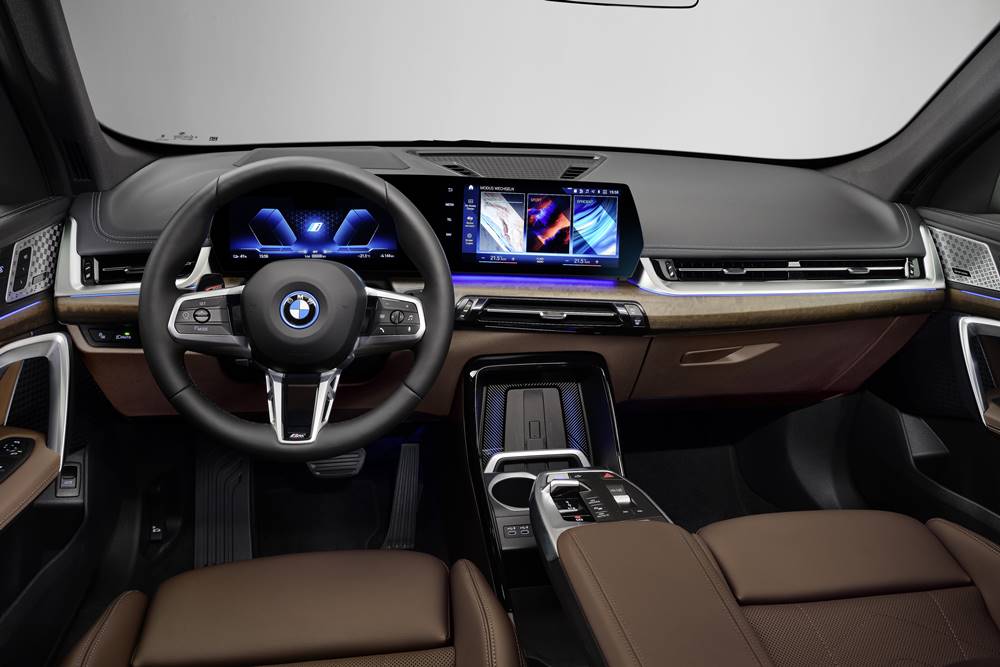

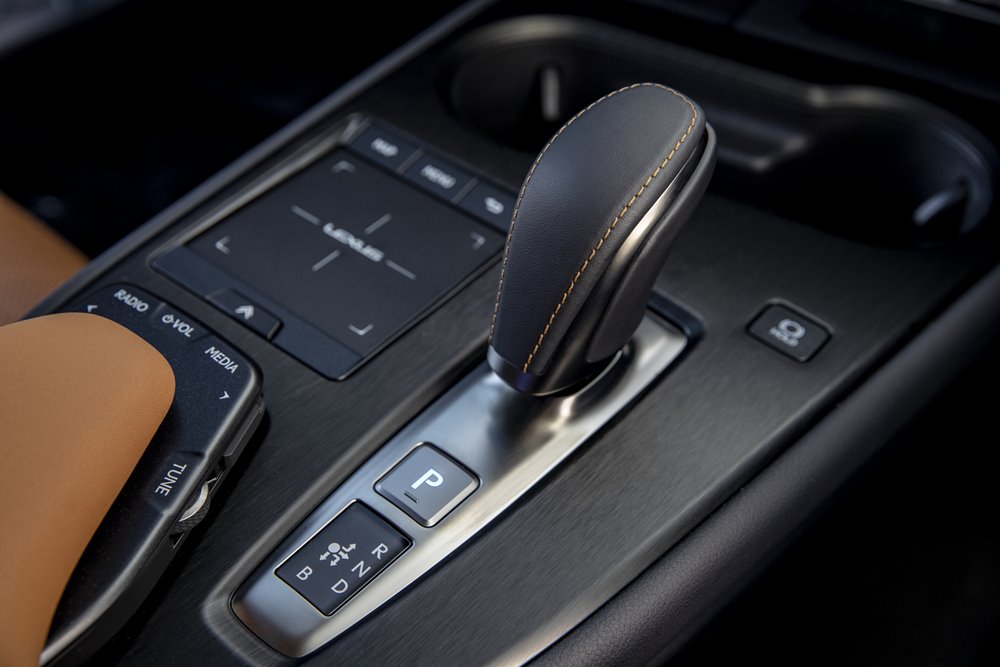
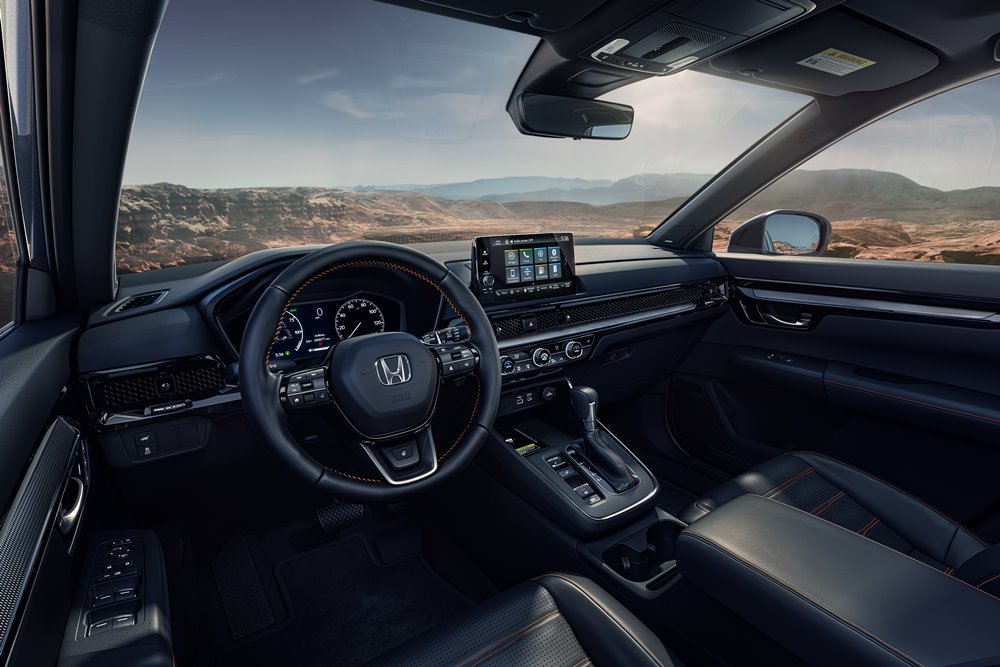

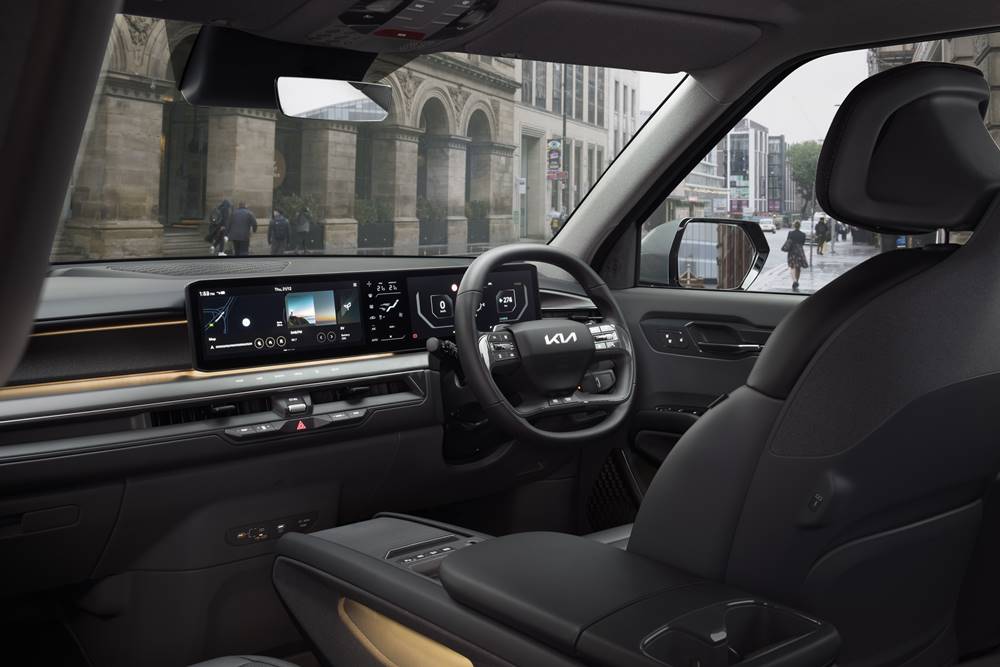
ABOVE: Infotainment systems: Are they too distracting?
Consider this for a moment:
- A phone call comes in and you’re distracted for a moment as you enter a school zone.
- You’re trying to set a destination while at cruising speed on the highway.
- You’re trying to change a radio station in a car that no longer has physical buttons.
Any one of those actions take a driver’s attention away from the main task at hand. Depending on the speed, the vehicle could cover many tens of metres in the time it takes to look to the centre console to see who is calling, or to change menu functions.
While safety features such as Autonomous Emergency Braking and Lane Departure Assist may help, when the dependence on them is combined with distraction, the results could be fatal. For some auto makers, major functions were blocked while the car was in motion, but this seems no longer the case.
Once, a simple speedo and tacho gave motorists all the data they required. Then radios, CD players, Air Conditioning, and other mod-cons were layered over the top. Now, a driver faces a barrage of input and data from a digital driver cluster and a Heads-up Display while trying to negotiate the intricacies of menu-driven systems within the centre stack.
There are function controls on the steering wheel, and centre console menus demand fettling mid-trip. In addition, warnings and ancillary information bombard the driver, often accompanied by alarm sounds.
For Example:
This week we’ve been in a VW Golf R Wagon. The system itself consists of several very simple menus. However, access by voice was sketchy at best. There are few buttons so most functions are on screen.
Navigating on-screen menus requires more concentration than were those functions on physical buttons.
Previously, the LEXUS LC500 Convertible had a similar problem. Although it had buttons, the infotainment system has a track pad that needed even more attention. Making selections with it needed a great deal of dexterity.
LEXUS’s new NX SUV has solved that by reinventing their system. It is now screen based, with extra buttons for often-used functions. Although similar to the VW, a larger screen makes navigation easier to use.
Kia Sorento uses a mix of buttons and on-screen menus. A quick glance is needed but muscle memory does the rest.
Tesla Model 3 puts all driving data and controls on the one screen located in the centre of the dash
We should be making more difficult navigation choices while stopped, but few of us do. Using mobile phones while driving is seen to be dangerous, yet using more complex in-car systems takes far more concentration.
BMW systems have a mix of buttons and screens. Although there is a centre console control, the voice activation works well enough, and the one-touch buttons store a raft of differing controls the driver might want instant access to.
In short, fettling your infotainment system while driving could cause an accident.
More at GayCarBoys
- Lexus IS’s Midlife Facelift is More Than Skin Deep
- Toyota and LEXUS Fuel Pump Recall for Thousands of Vehicles
- LEXUS brings LC Convertible to Australia
- Small SUV Comparison: Citroën C3 Aircross VS LEXUS UX
- 2019 LEXUS LC 500 Review and Road Trip
- 2018 Volkswagen Golf R Wagon Review
- 2018 VW Golf GTI Original MK 7.5 video car review
- 2018 VW GTi Golf MK Vii road test Video Review
- 2018 Volkswagen Golf GTI Original Launch Review
- 2018 VW GTi Golf MK Vii road test Video Review
- Kia Stonic Launch
- Kia Carnival Launch
- 2020 Kia Sportage GT Line Diesel review. best gay car ever
- 2019 KIA Cerato GT Australian Launch Review
- Sportage by KIA Launch VIDEO Review in Canberra Australia
- 2020 Kia Sorento Sport BLACK Edition is Delicious
Discover more from Gay Car Boys
Subscribe to get the latest posts sent to your email.











Leave a Reply