
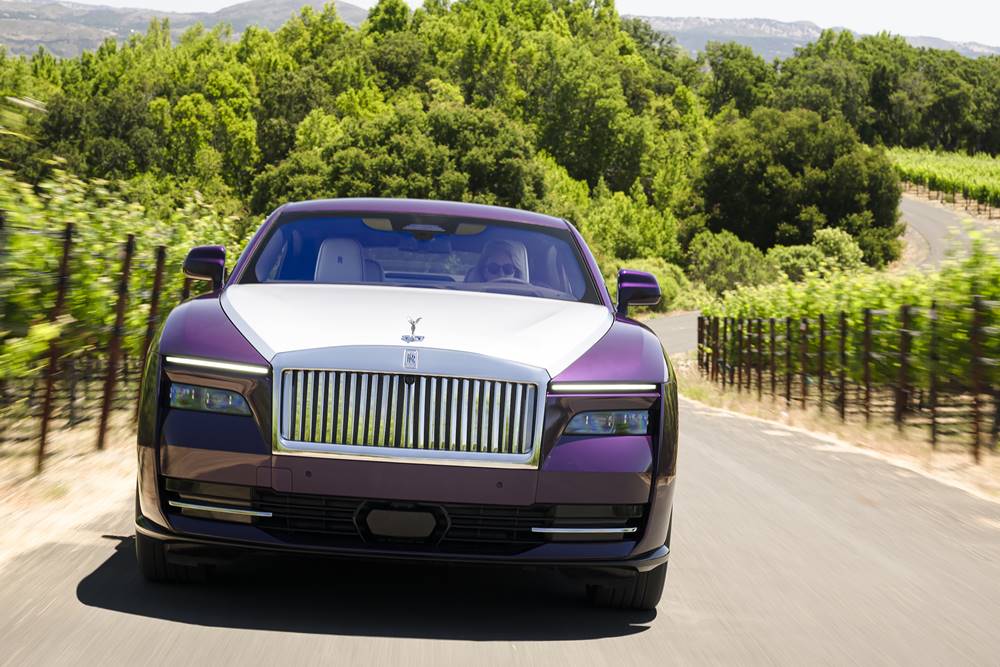
Electric Vehicle (EV) charging, while promising a sustainable future, is currently plagued by reliability issues. Here’s why:
- Infrastructure Limitations: The charging infrastructure is still in its infancy, especially in comparison to traditional gas stations. This results in a scarcity of charging stations, especially in rural areas, leading to long wait times and inconvenience for EV owners.
- Charging Speeds: EV charging times vary significantly depending on the charger type and the vehicle’s battery capacity. While some chargers can provide a full charge in under an hour (fast chargers), others may take several hours (level 2 chargers). This inconsistency in charging speeds can make planning long trips difficult and unpredictable.


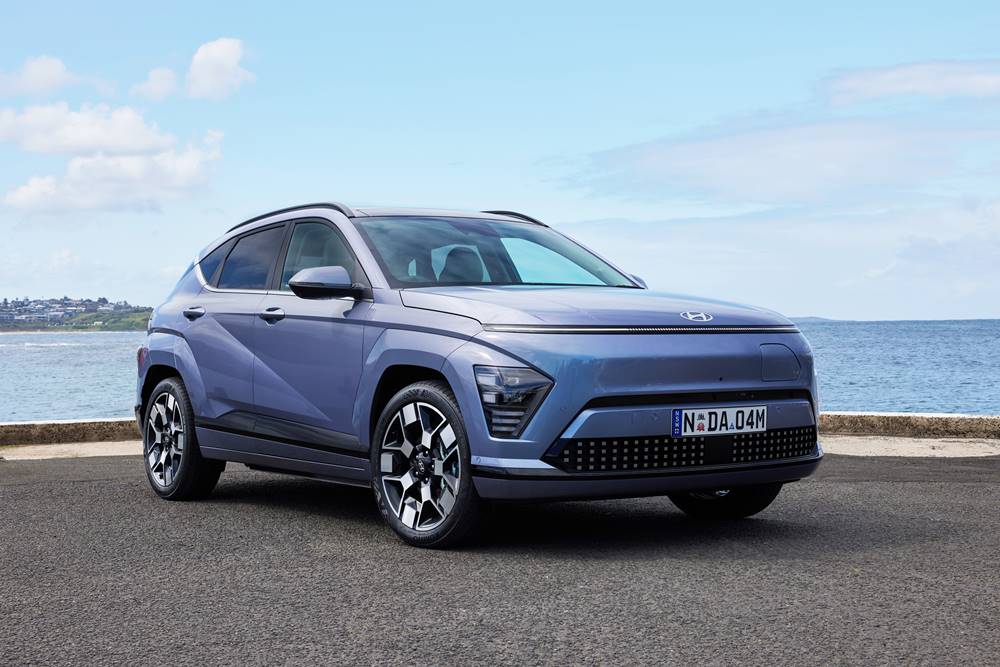
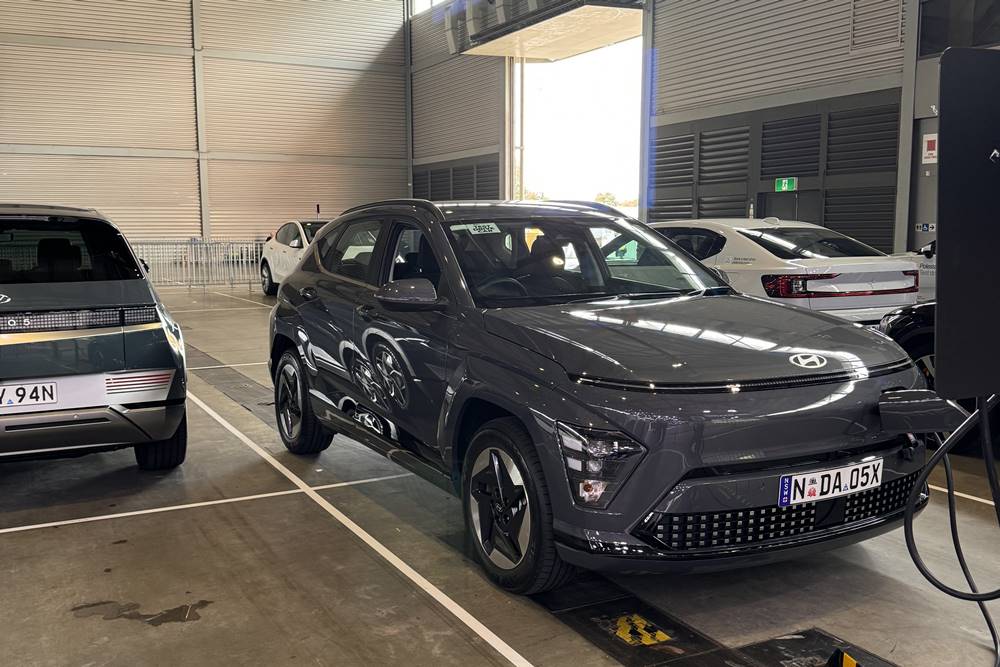



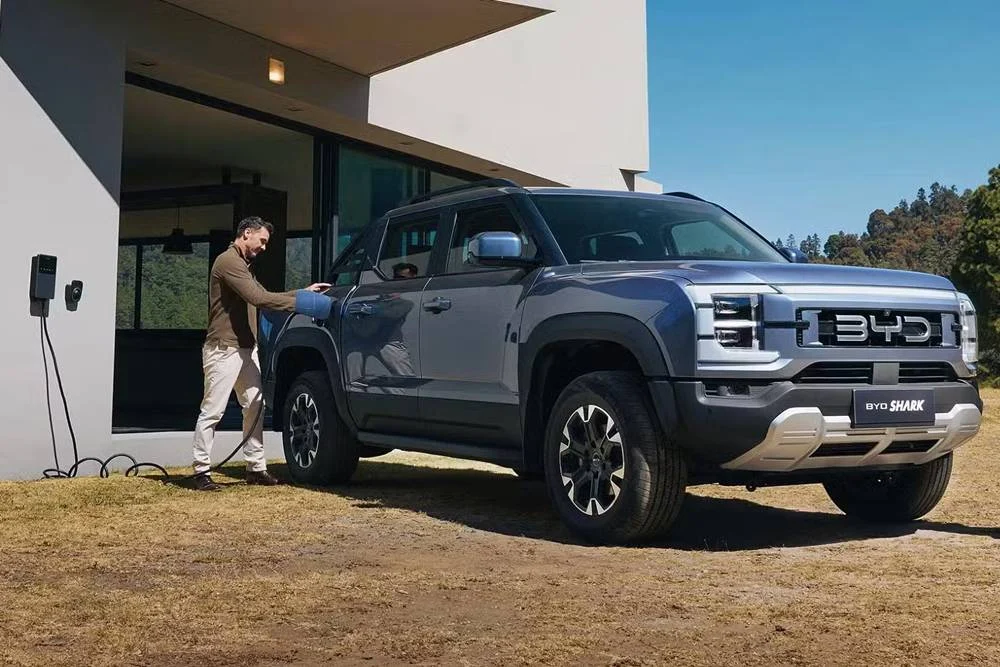
ABOVE: Some EVs depend on unreliable public charging
- Congestion at Charging Stations: During peak hours, charging stations can become congested, causing delays for users. This issue is exacerbated by the growing number of EVs on the road without a proportionate increase in charging infrastructure.
- Grid Overload: In areas with a high concentration of EVs, the local power grid may struggle to meet the demand for electricity, leading to power outages or reduced charging speeds. This can be especially problematic during extreme weather conditions when energy demand is already high.
- Maintenance and Technical Issues: Like any other infrastructure, charging stations are prone to technical malfunctions and require regular maintenance. A malfunctioning charger can leave EV owners stranded or force them to find alternative charging options.
- Dependence on Renewable Energy: While EVs contribute to reducing carbon emissions, their environmental impact depends on the source of electricity. If the electricity used for charging comes from fossil fuels, the environmental benefits are diminished. Reliability of EV charging is thus contingent on the reliability of renewable energy sources.
- Lack of Standardization: There is a lack of standardization in charging connectors and protocols, making it difficult for EV owners to find compatible charging stations, especially during long trips.
In conclusion, while EV charging offers a cleaner and more sustainable alternative to traditional vehicles, its reliability issues must be addressed through improved infrastructure, standardization, and better grid management to encourage widespread adoption.
Other GayCarBoys EV Stories:
- The Trouble with Electric Car Charging-Polestar 2
- 2022 Polestar 2 Dual Motor Review
- Polestar 2’s Android Google Operating System Top 10 Tips
- Polestar 2 VS Tesla Model 3
- Polestar 2 Where Its Google OS is Star-Trek-Meets-Car-Trek
- How Much and How Long to Charge My Polestar 2?
- We drive 2019 Jaguar I-Pace SE EV400 Electric car
- 2023 IONIQ5 Epiq VS 2023 Genesis GV70 Electrified IS ONE BETTER?
- 2021 Hyundai IONIQ 5 EV Review
- KIA’s EV6 is Finally Here: What a Cracker! FULL REVIEW
- 2021 KIA Niro EV, PHEV and Hybrid First Drive
- Hyundai NEXO Hydrogen Fuel Cell SUV REVIEW
- Is Hyundai’s Kona EV the Best Electric Car on the Market?t
- Audi E- Tron 50 Review PT 1: EV Myths BUSTED!
- 2021 Audi E-Tron 50 Sportback Review: PT 2 The Drive
- 2019 Jaguar I-Pace SE EV400 Driven and rated in GALSTON GORGE Australia Video Review
- Nissan LEAF 2019: All New EV Powers Your Home VIDEO REVIEW
- Hyundai’s 2019 Electric Ioniq: The cheapest EV In Australia?
- New Nissan Leaf Could Power Your Home for a Week
- Tesla Model 3 Colors and Price
- Charging My tesla Model 3
- Tesla Model 3 Full Review Inside, outside, and Roadtest
- Mini Cooper SE electric
- Karma Starts E-Flex Prototype Testing
- Is Karma Automotive’s New E-Flex Platform a Game Changer
Video Review: 2024 Kia EV9 EARTH Full Review good AND bad? – Full GayCarBoys Review – GayCarBoys – Alan Zurvas
#kia, #kiaEV9, #alanzurvas, #gaycarboys
SHORT Video Review: Audi e-Tron GT RS Quick Look – Light Show
#automobile #shorts #audietrongtrs #gaycarboys #alanzurvas ##shorts
Discover more from Gay Car Boys
Subscribe to get the latest posts sent to your email.









Leave a Reply