

Volkswagen views plans to upgrade local oil refineries as welcome, but overdue.
As part of the Morrison government budget package for the two remaining oil refineries, upgrades will enable these to produce petrol to match the current world’s best practice of 10 parts per million of sulphur.
Other GayCarBoys SUV Stories:
- Sexy Men Drive 2021 Toyota Yaris Cross
- Top 15 gay and lesbian LGBT SUVs
- Toyota Landcruiser VX: King of the Load
- LandCruiser Sahara: Your limo to the wild awaits.
- 2020 Landrover Defender: New, for the sake of it?
- Landrover Defender In Final Desert Testing
- 2020 Range Rover Evoque P250 R-Dynamic S VIDEO REVIEW
- Land Rover Around The World in 70 Days Challenge
- 11 Best Things about VW Amarok
- Amarok V6 is tops
- Toyota Hilux Rugged X Review and video
- Nissan Navara N Trek Warrior VS Toyota Hilux Rugged X down on the Farm.
- 2019 Toyota Hilux Rugged X Review, Road Test, and video.
- RAM 1500 Laramie VIDEO car review
- 2018 Ram 1500 Road Test and Review
- A Weekend Away in a Jeep Compass with 3 Hot Companions
- Is Jeep Gladiator a Backroom Bar on Wheels?
- 2018 Jeep Compass Limited Review
Currently, 95 and 98ron are fully imported. So it is local diesel, E10 and 91ron which have the higher sulphur content and will not run in Euro6 engines. This is part of the reason higher “ron” ratings are required for many vehicle sold in Australia. Petrol companies have stubornly refused to upgrade refineries because of the move to electric vehicles. They fear the investment would offer poor returns, with no consideration given for Australian fuel security.
Above: This Week 2021 “Goodbye BRZ” Roadtest and review

Help Support Gay Car Boys Subscribe to our Youtube Channel
- Top GayCarBoys Stories:
- Sexy Men Drive 2021 Toyota Yaris Cross
- 10 Sexiest MotoGP Motorcycle Riders
- DON’T Drive YOUR CAR until you’ve Checked if your AIRBAG will KILL YOU
- 10 Hottest Racing Drivers
- Top 12 Best Gay Lesbian LGBTI Luxury Cars
- Top 10 Gay Lesbian LGBT Cars
- Top 10 Gay Lesbian LGBT Sports Cars
- Top 15 gay and lesbian LGBT SUVs
- Talented Twinks – Callum Ilott Virtually Races Arthur Leclerc



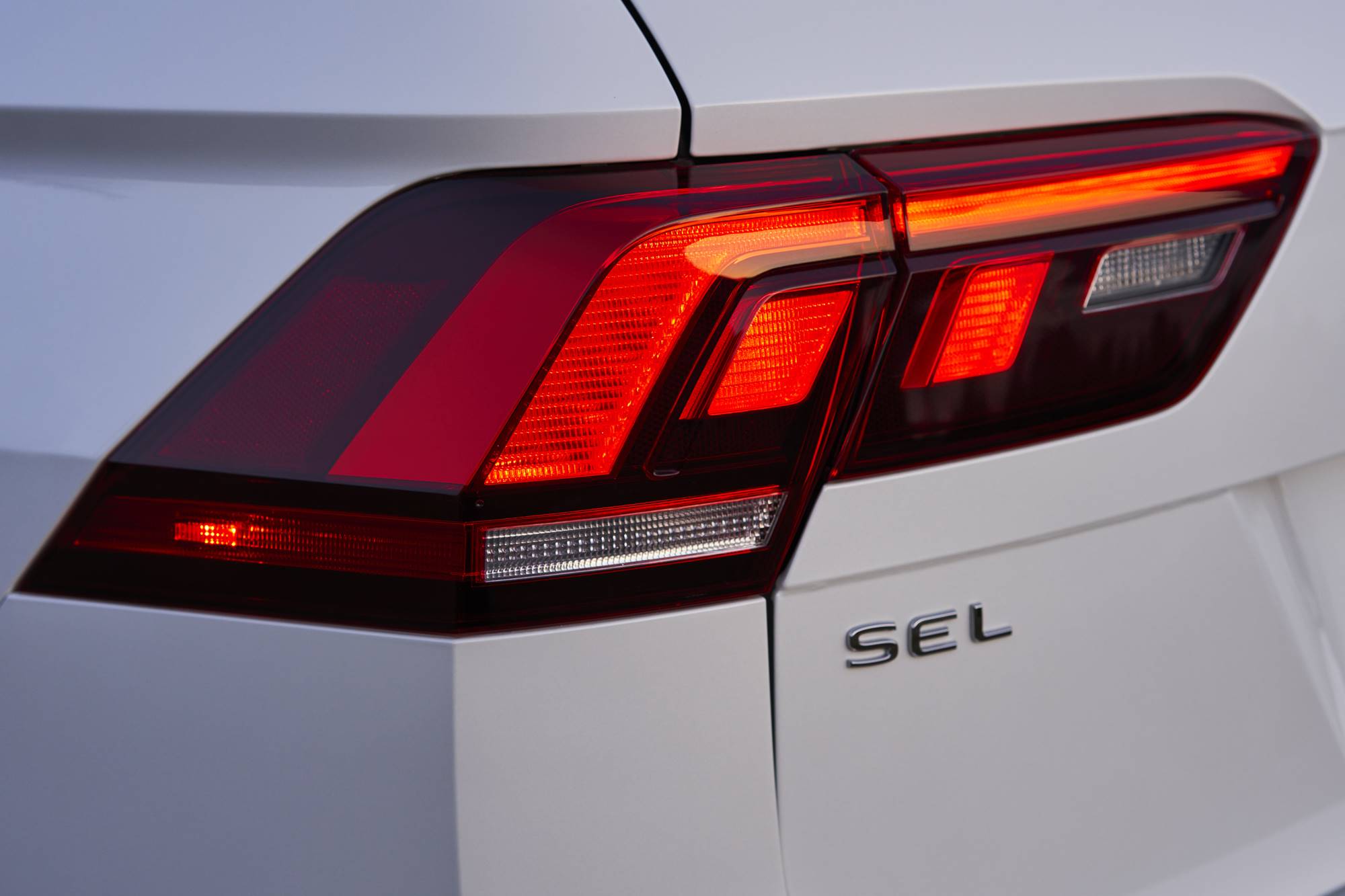
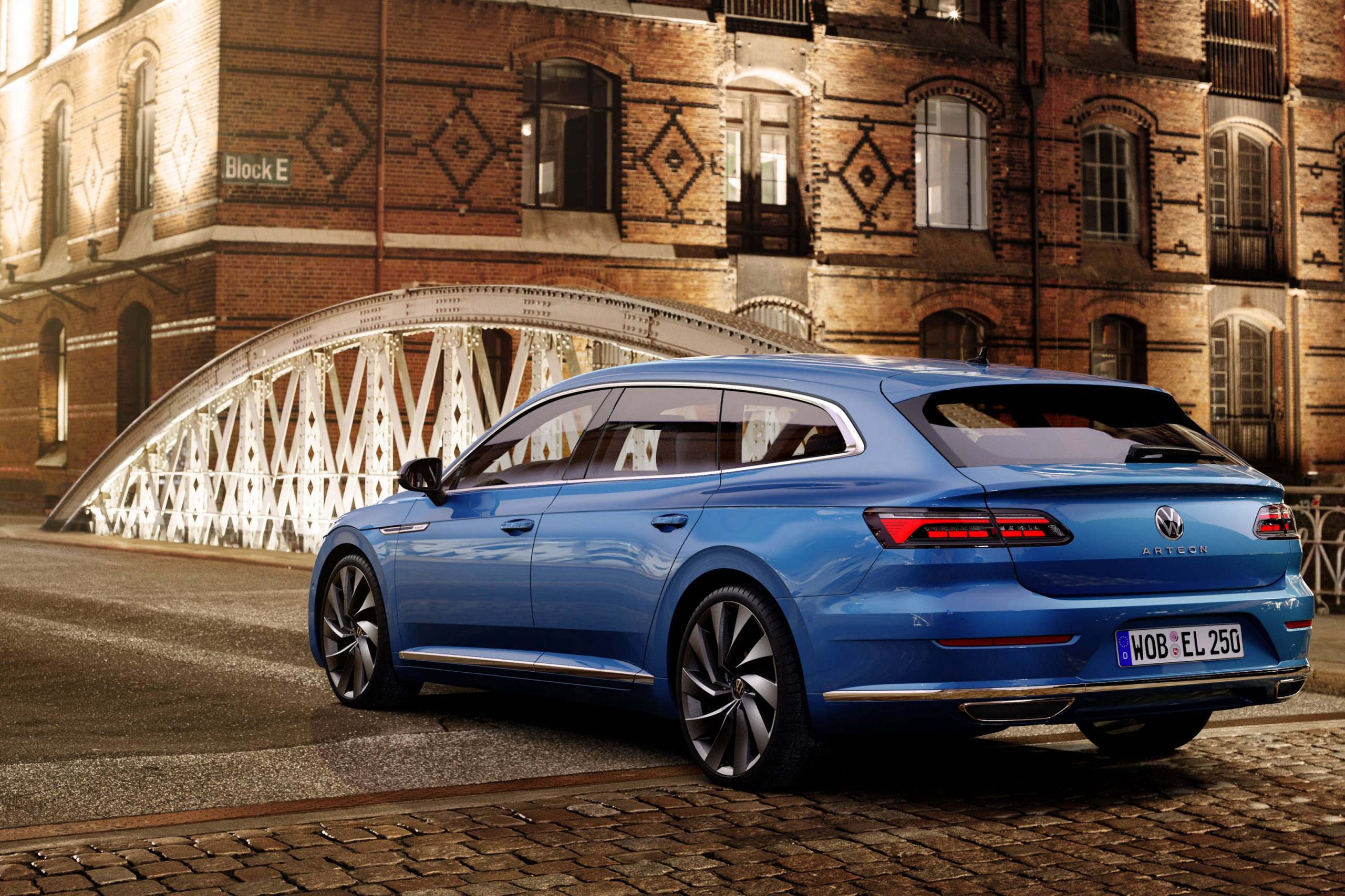

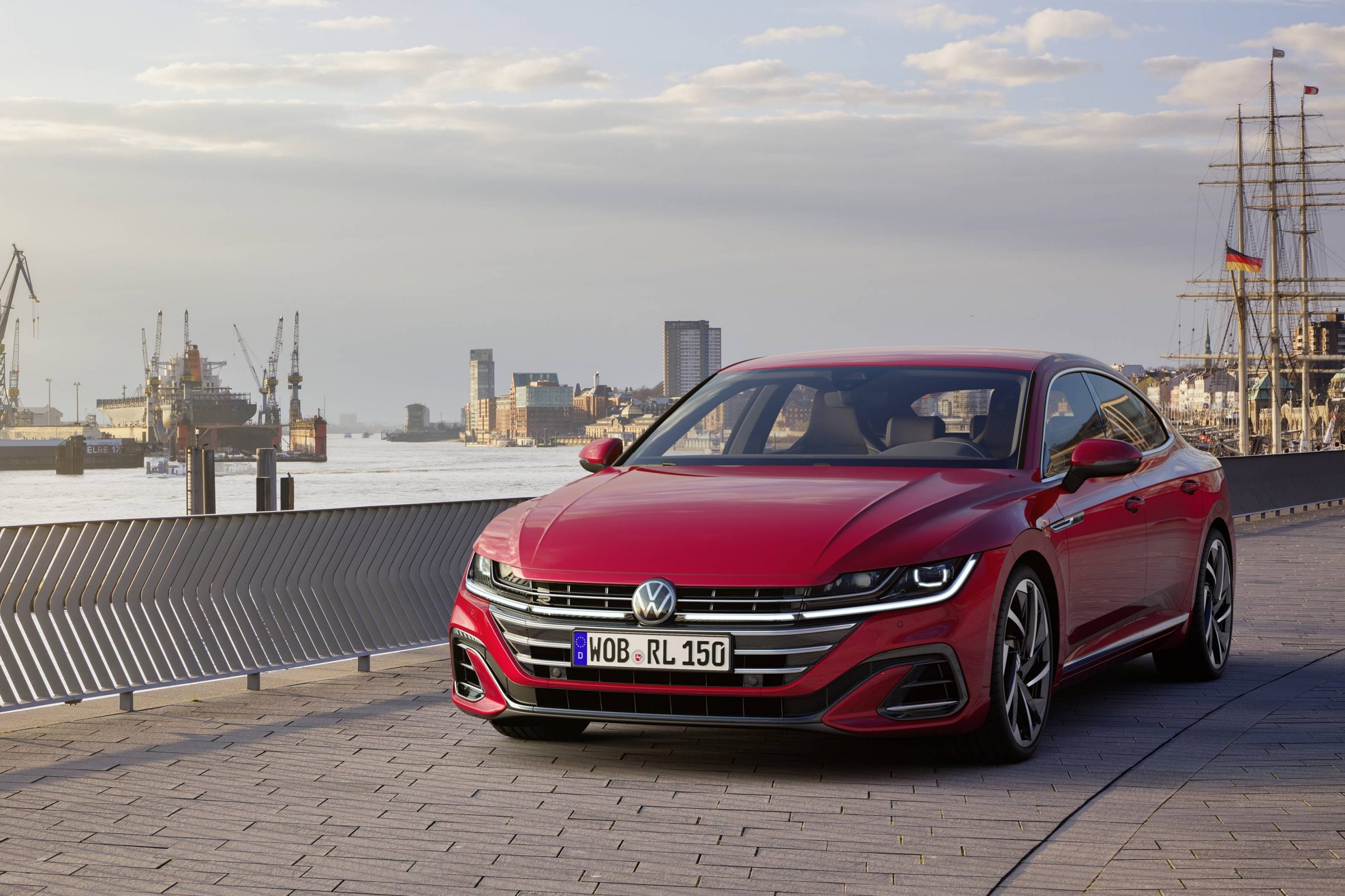


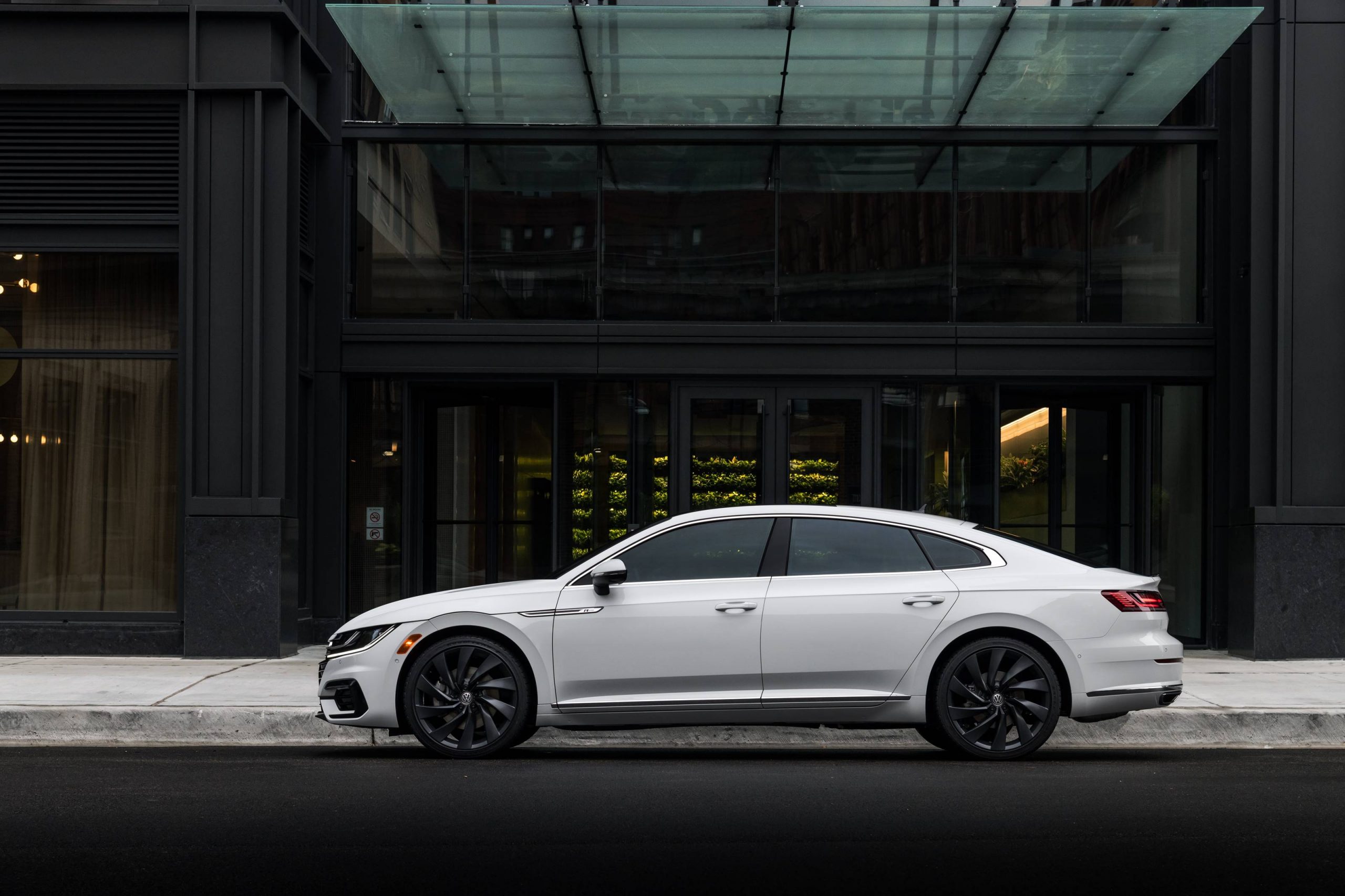
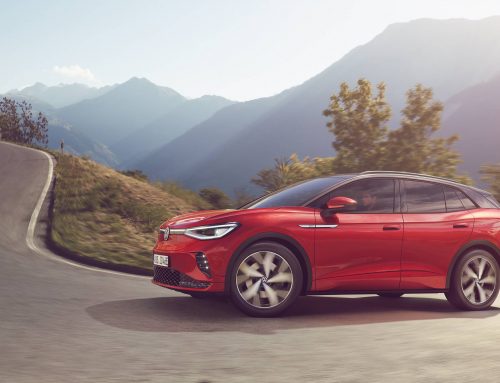
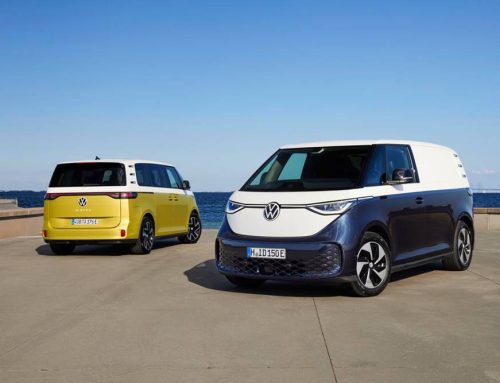
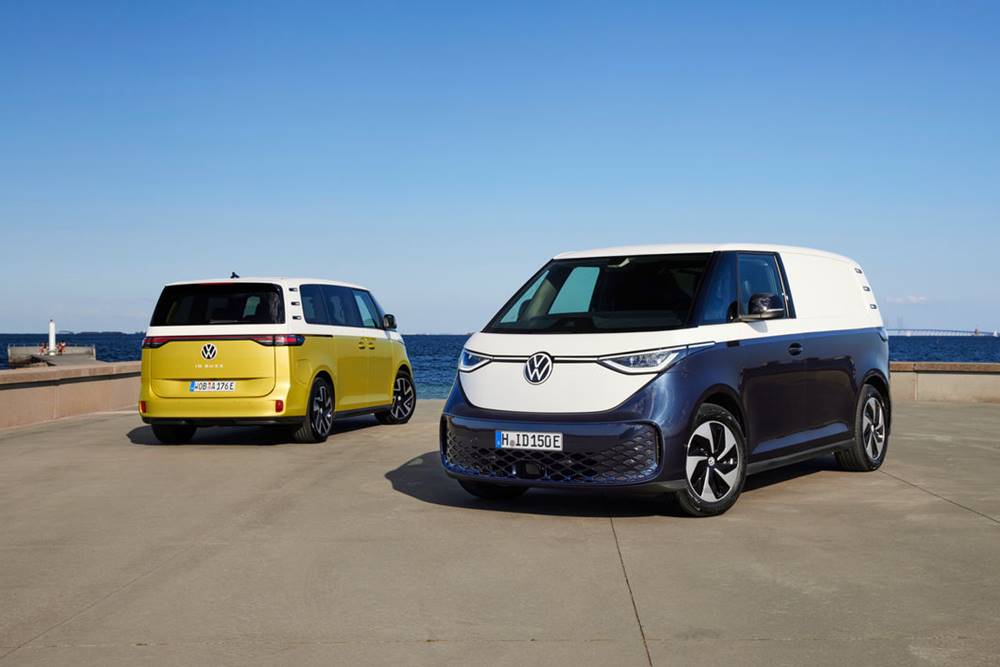
ABOVE: VW Models
Many local VW models have older engines because local fuel is of such poor quality.
The change had been scheduled for 2027 to coincide with the belated introduction of Euro 6 regulations – which would have been some 13 years behind Europe.
Instead, local refineries would be ready to deliver 10ppm unleaded to bowsers in 2024. This change could have been made at any time over the last ten to fifteen years but it is cheaper for the privately owned refineries to bring our fuel in by boat. It leaves Australia vulnerable should supplies become unreliable. COVID demonstrated that there are many events which might cause imported goods to be either delayed or cancelled.
Australian supply is below 90 days supply, the figure considered to be adequate for emergency supply.
Volkswagen Group Australia’s managing director Michael Bartsch said that today’s announcement was a “major development in aligning Australia with first world fuel standards”.
“Volkswagen was the first and remains the foremost voice to call for the cleaning up of Australia’s highly sulfurous petrol,” Mr Bartsch said.
“Minister Taylor’s announcement this morning is potentially a big step forward to enabling Volkswagen to introduce the world’s most advanced and efficient conventional engines. Though VGA is examining the details, we are eager to discuss this new direction with our factory.”
Discover more from Gay Car Boys
Subscribe to get the latest posts sent to your email.















Leave a Reply