Lexus is celebrating 200,000 sales in Australia, but they should be spending that party money on new engineers. While they pat themselves on the back for a record move toward “electrics,” the hardware they’re selling is technically obsolete before it even leaves the showroom.
If you just bought a Lexus RZ, or its cheaper siblings, the Toyota bZ4X and Subaru Solterra, do yourself a favor, don’t look at the charger next to you. But don’t think you’re safe just because you bought European. Most of the old-guard from Germany and beyond are just as far behind the curve.
The Dial-Up Modem of EVs
The legacy brands are bringing a knife to a railgun fight. The Lexus RZ, Toyota bZ4X, and Subaru Solterra are all built on the same aging 400V architecture. In the world of EVs, that’s the equivalent of trying to download a 4K movie on a 56k dial-up modem.
Even the Germans are lagging. The Volkswagen ID.4 and Mercedes EQE are still largely tethered to 400V systems that cap out well below the new global standard. When you pull into an ultra-rapid charger, these cars are hard-capped between 150kW and 175kW. You’ll be sitting there for 30 minutes while the future passes you by.
The 12-Minute Reality Check
The goal has always been to make charging as fast as a petrol stop. In 2026, we are finally there, just not if you’re driving a Japanese or mid-tier European badge. However, there is a catch, even the world’s fastest cars are currently limited by the Australian grid.
The Hyper-Drive Leaderboard (10% to 80% charge)
- Zeekr 7X: The new “Model Y killer” hits a 450kW peak elsewhere, but drinks the full 400kW available in Oz. Done in ~12 minutes.
- Lotus Emeya: Already on Aussie soil, it pulls the maximum 400kW our grid can offer. Back on the road in ~14 minutes.
- Zeekr 001: Pulls over 540kW globally, but is capped at 400kW locally. (Note, Not yet available in Australia).
- Li Auto MEGA: Hits a verified 552kW peak in China. (Note, Not yet available in Australia).
Above: This Week’s VIDEO Review –2026 Chery Tiggo 7 PHEV Ultimate -Why ASX is dead PART 2
#CheryTiggo7PHEV #MitsubishiASX #Remitzy #PHEVReview #GayCarBoys


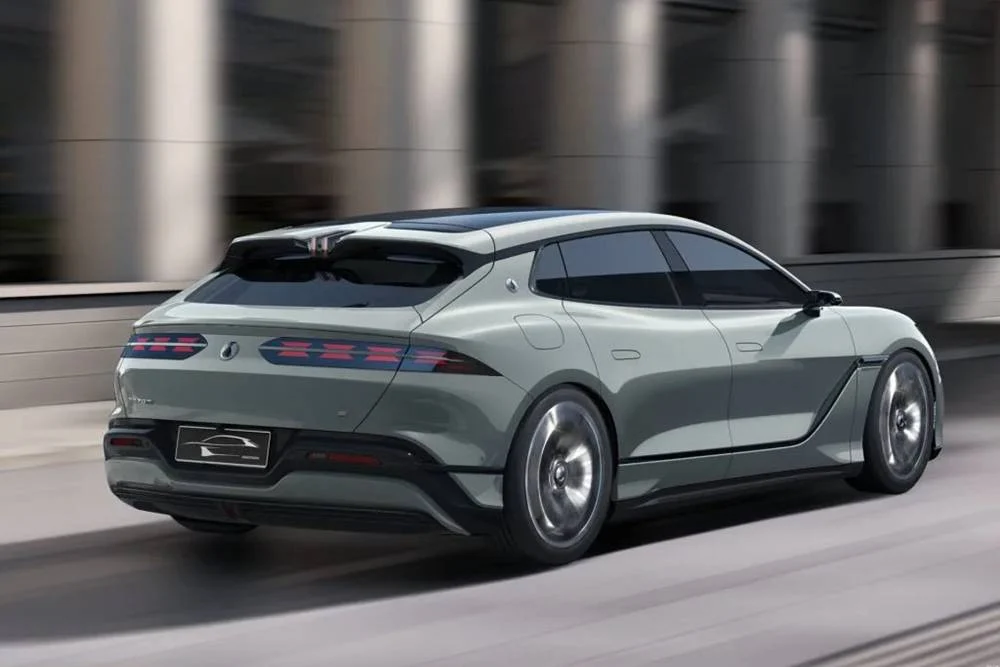
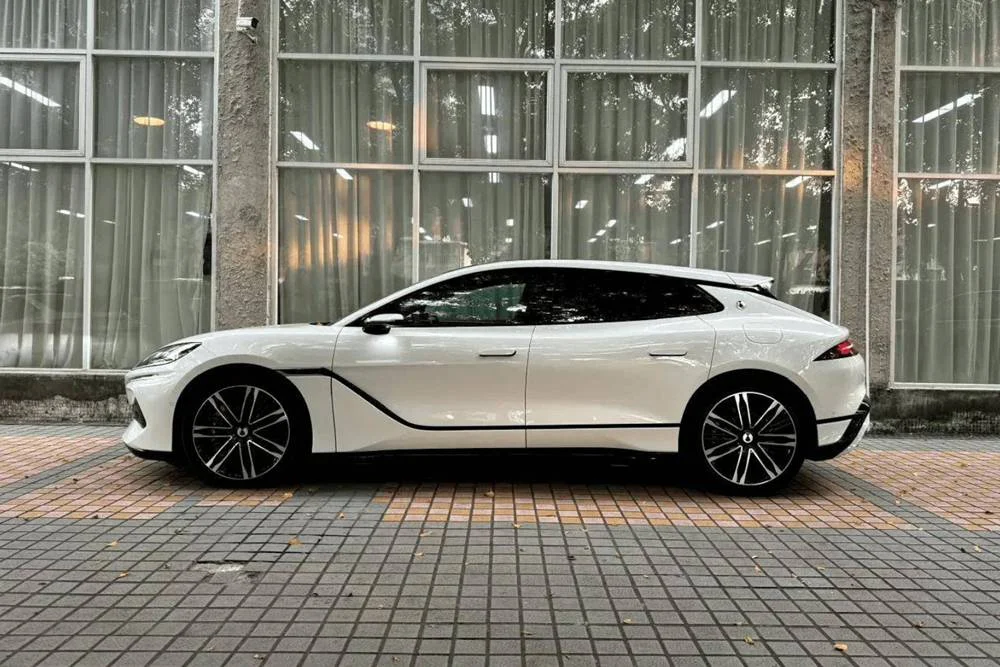


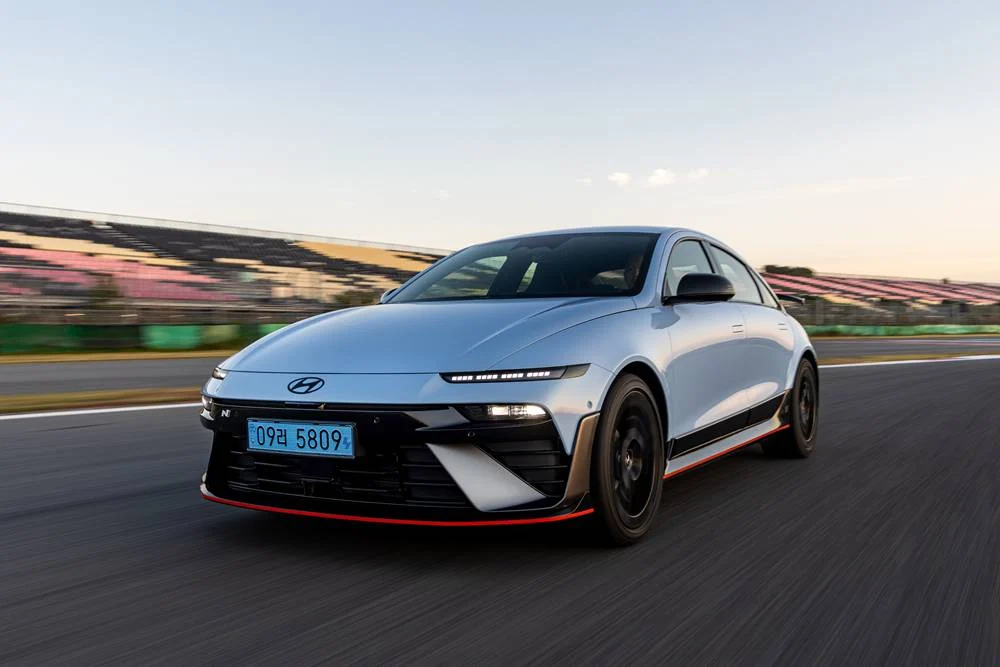
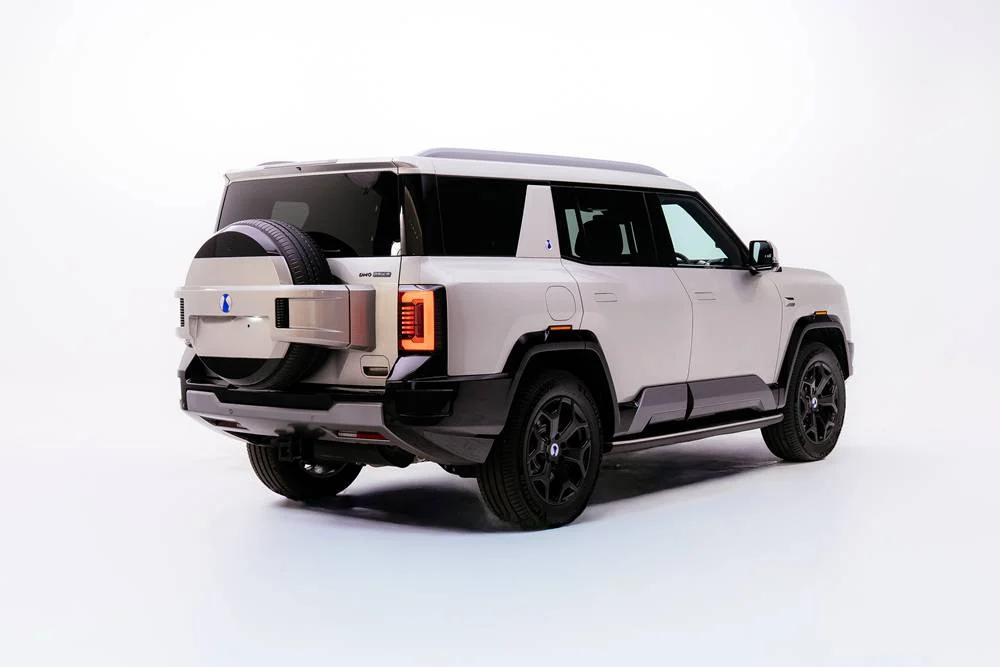
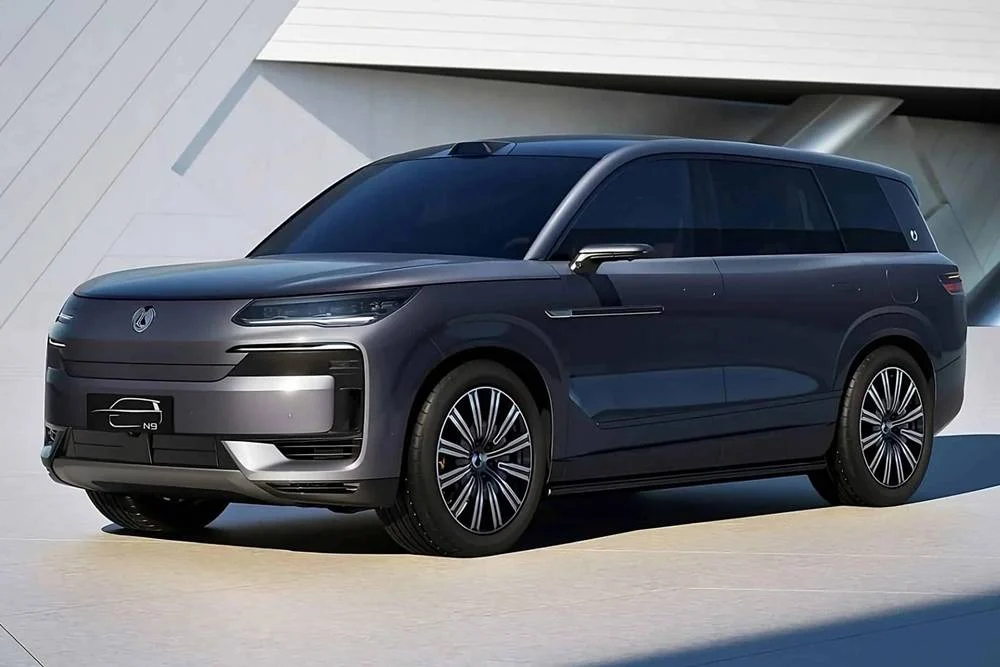
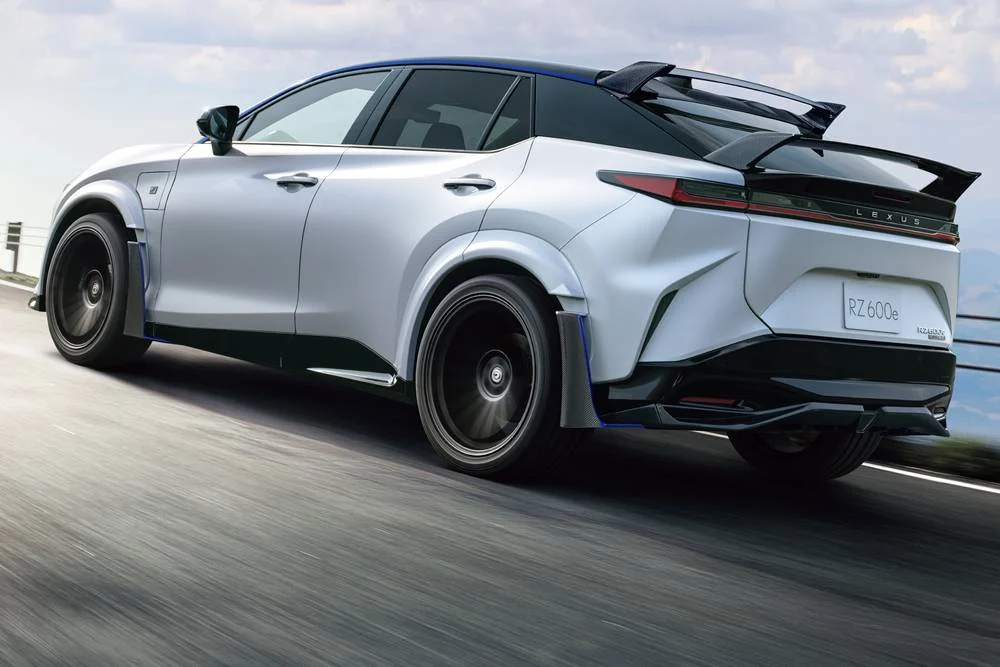

ABOVE: A sample EV offering in Australia
Spec Showdown, The Price of a Badge
| Feature | 2026 Zeekr 7X (Base) | 2026 BMW iX3 (Neue Klasse) | 2026 Hyundai Ioniq 9 |
| Architecture | 800V | 800V | 800V |
| Battery Tech | 75kWh LFP “Golden” | 108.7kWh NMC Gen6 | 110.3kWh NMC |
| Max Aus Charge | 400kW (Car, 450kW) | 400kW | 233kW |
| 10-80% (Aus) | ~12 minutes | 21 minutes | 24 minutes |
| Est. Price | $57,900 | $120,000 | $119,750 |
Range and Charging Comparison (Verified 2026 Specs)
| Model | Arch. | Aus Peak Charge | 10-80% Time | Price (MSRP) | Price (Drive Away) |
| Zeekr 7X (Base) | 800V | 400kW | ~12 min | $57,900 | $61,566 |
| Tesla Model Y | 400V | 250kW | 27 min | $58,900 | $61,627 |
| Kia EV6 (84kWh) | 800V | 258kW | 18 min | $72,660 | $77,200 |
| Denza Z9 GT | 800V | 270kW | 19 min | ~$80,000 | ~$85,000 |
| Hyundai Ioniq 9 | 800V | 233kW | 24 min | $119,750 | $123,610 |
| Lexus RZ 450e | 400V | 150kW | 30 min | $121,059 | $130,718 |
| Lotus Emeya | 800V | 400kW | ~14 min | $189,990 | $202,000 |
When you buy a legacy EV, you aren’t buying the future. You’re buying an expensive suit wrapped around a battery skateboard that belongs in 2022. While the Chinese and Koreans are building for a 400kW+ future, the old-guard is still trying to figure out how to make a 400V system look fast.
They’re moving, but they’re moving slow. Unless they ditch the dinosaur tech under the skin, they’re just selling fancy waiting rooms on wheels.
Other GayCarBoys EV Stories:
- The Trouble with Electric Car Charging-Polestar 2
- 2022 Polestar 2 Dual Motor Review
- Polestar 2’s Android Google Operating System Top 10 Tips
- Polestar 2 VS Tesla Model 3
- Polestar 2 Where Its Google OS is Star-Trek-Meets-Car-Trek
- How Much and How Long to Charge My Polestar 2?
- We drive 2019 Jaguar I-Pace SE EV400 Electric car
- 2023 IONIQ5 Epiq VS 2023 Genesis GV70 Electrified IS ONE BETTER?
- 2021 Hyundai IONIQ 5 EV Review

Alan Zurvas is the founder and editor of Gay Car Boys, Australia's leading LGBTQI+ automotive publication. Before launching GCB in 2008, Alan's automotive writing was published in SameSame.com.au and the Star Observer. With over 16 years of hands-on car reviewing experience, Alan brings an honest, irreverent voice to every review — championing value and innovation over brand loyalty.
Leave a Reply