

Kristian and Luca — insisting they’re “just friends” despite bickering like a retired couple and buying a cottage together — have finally admitted their classics aren’t daily drivers. Their Citröen SM and ’68 Mini Cooper now sit in twin climate-controlled bubbles, pristine as museum pieces. Reality check: for grocery runs, winery weekends, city commuting, or impromptu camping trips, they need a PHEV.
And honestly? Same.
The plug-in hybrid market has exploded in just a few years. What was once niche is now a buffet of options, and picking the right one can feel overwhelming. That’s why we’ve created a comprehensive PHEV table. It shows battery sizes, EV ranges, DC fast-charging availability, max charging rates, and prices — basically the cheat sheet Kristian and Luca wish they had when hunting for a daily driver.
Above: This Week’s VIDEO Review – 2025 Kia Sorento PHEV SLAYS Official Economy Figure
#KiaSorento, #KiaSorentoPHEV, #SorentoGTLine, #PHEVReview, #KiaAustralia, #HybridSUV, #ElectricDriving, #CarReviewAustralia, #GayCarBoys, #FuelEconomy


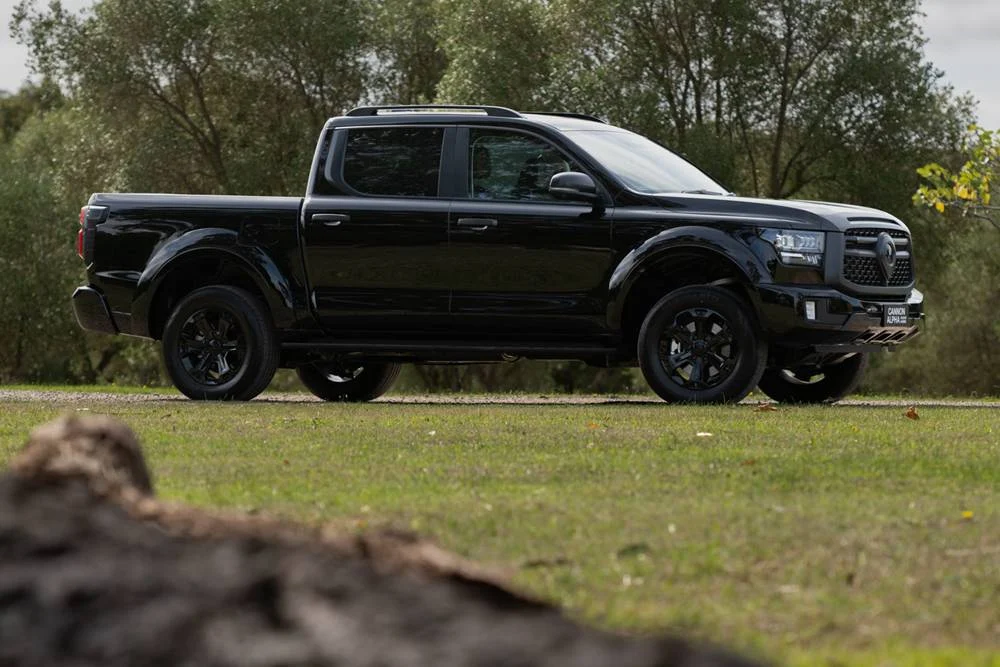
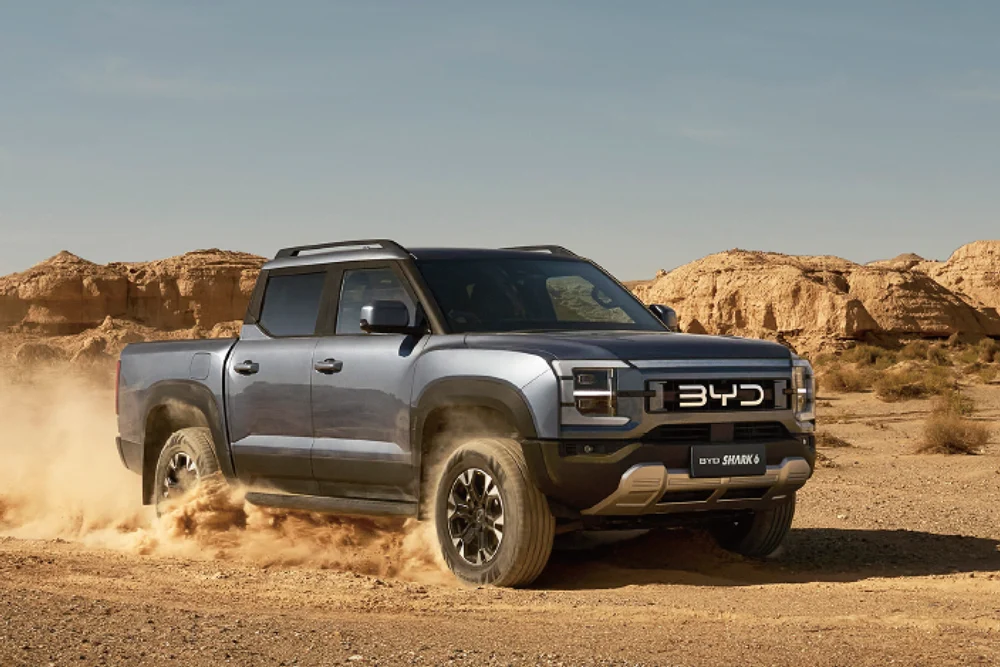

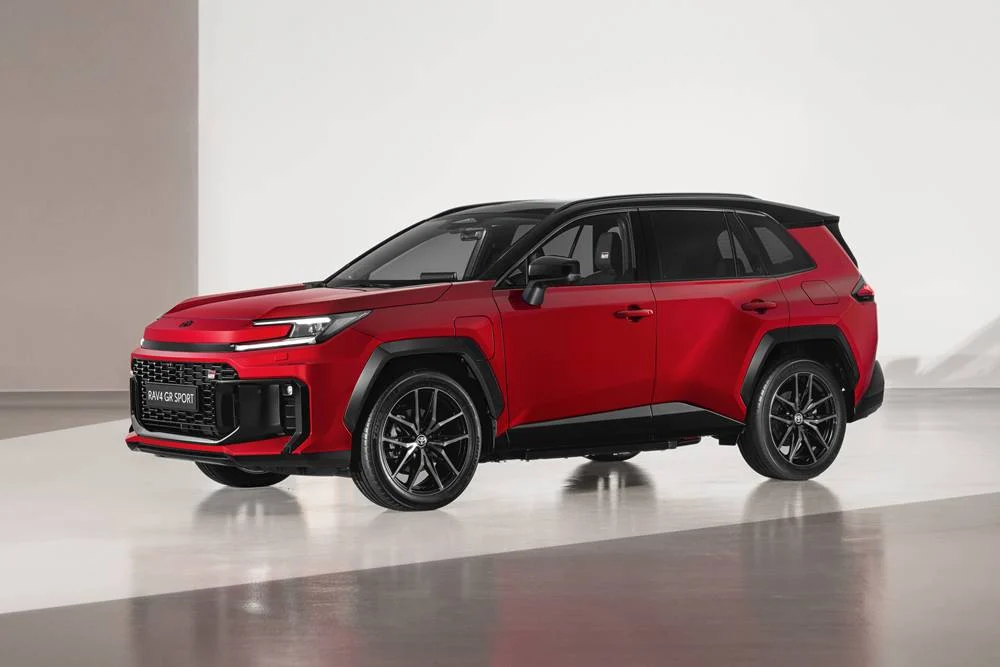
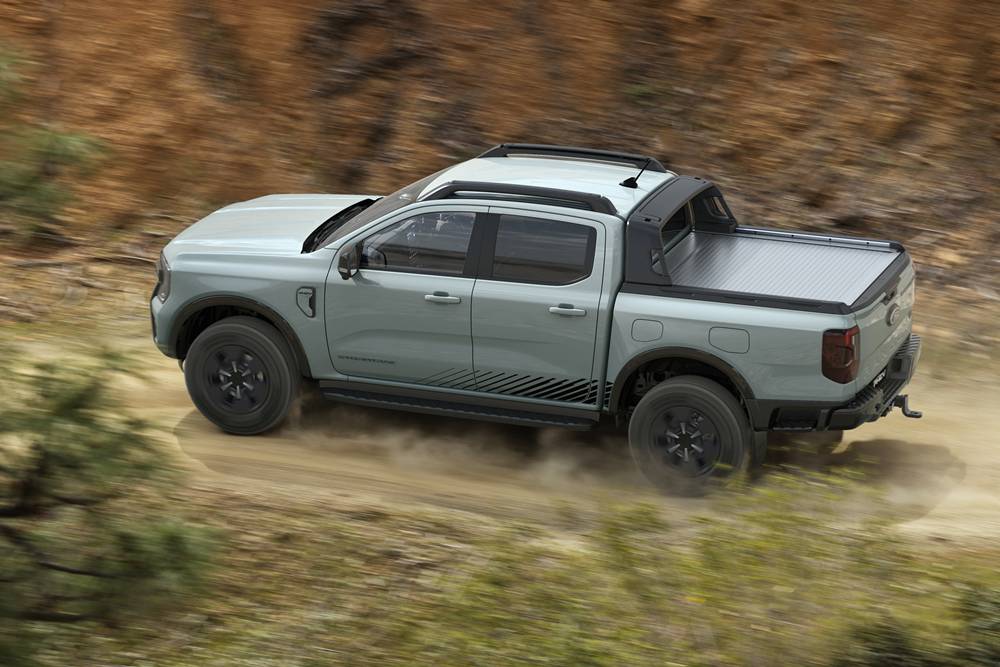

ABOVE: PHEV models – Some but not all were considered – see list below
| Battery | EV Range | DC | Max DC | Price | |
|---|---|---|---|---|---|
| UNDER $100,000 | |||||
| 34 kWh | 110–120 km | Yes | 35 kW | $45–55k | |
| MG HS Plus EV | 16.6 kWh | 63 km | No | – | $50k |
| Haval H6 GT PHEV | 34 kWh | 110–120 km | Yes | 35 kW | $50–60k |
| GWM Cannon Alpha PHEV | 30 kWh | 100 km | Yes | 40–50 kW | $55–65k |
| BYD Shark 6 PHEV | 30 kWh | 100 km | Yes | 40–60 kW | $60–70k |
| Hyundai Santa Fe PHEV | 13.8 kWh | 58 km | No | – | $70–80k |
| Mini Countryman PHEV | 10–14 kWh | 50–60 km | No | – | $70–80k |
| Outlander PHEV | 20 kWh | 84 km | Yes | 22 kW | $60–75k |
| BMW X1 xDrive25e | 14.2 kWh | 55–60 km | No | – | $75–85k |
| Kia Sorento PHEV | 13.8 kWh | 68 km | No | – | $82k |
| Mazda CX‑60 P50e | 17.8 kWh | 50 km | No | – | $82–89k |
| Lexus NX450h+ | 18.1 kWh | 69–75 km | No | – | $90–95k |
| Volvo XC60 Recharge | 18.8 kWh | 81 km | No | – | $92k |
| Mercedes‑Benz GLC300e | 13.5 kWh | 45–50 km | No | – | $95–100k |
| Audi Q5 50 TFSI e | 17.9 kWh | 55–60 km | No | – | $95–100k |
| OVER $100,000 | |||||
| Porsche Cayenne Turbo E‑Hybrid | 25.9 kWh | 70–80 km | No | – | $300k+ |
| Range Rover P550e Autobiography | 38.2 kWh | 100 km | Yes | 50 kW | $300–400k |
| BMW XM Label Red | 25.7 kWh | 80 km | No | – | $350k |
| Mercedes‑AMG GT 63 S E Performance | 6.1 kWh | 12 km | No | – | $350k |
| Bentley Bentayga Hybrid | 18 kWh | 40–50 km | No | – | $500k+ |
| Ferrari 296 GTB | 7.45 kWh | 25 km | No | – | $600k+ |
PHEV vs EV vs ICE: The Real Talk
Let’s be honest: Kristian and Luca could have gone full EV — sleek, silent, guilt-free. Or stuck with a petrol classic, like their SM and Mini — charming, but thirsty and high-maintenance. Instead, they chose a PHEV, and here’s why it makes sense:
- Flexibility:
Full EVs are lovely, but range anxiety is real. You never quite trust the battery to get you through a last-minute winery weekend or a weekender escape into the bush. PHEVs let you drive electrically most of the time, then switch to petrol when adventure calls. ICE cars? You’ve got range, but no electric efficiency — and a bigger carbon footprint. - Cost vs Convenience:
EVs can be expensive upfront and require home charging. PHEVs strike a balance: smaller batteries, lower cost, and still some electric freedom. ICE cars are cheaper initially but heavy on running costs. Glancing at the table above, you’ll instantly see which PHEVs offer enough EV range for city commuting, and which rely more on petrol for longer trips. - Environmental Cred:
EVs are green on paper, PHEVs can match real-world efficiency for most daily drivers, and ICE cars… well, let’s just say they leave more smoke behind. For Kristian and Luca — conscious of their impact but not about to live off carrot juice — PHEVs are the pragmatic compromise. - Lifestyle Fit:
PHEVs are perfect for folks who want electric commuting during the week and petrol freedom on weekends. Kristian and Luca love their classics, but they also need a car that handles city traffic, shopping, and occasional adventures. The table makes it easy to see which models fit that lifestyle — from compact urban cruisers to luxury weekend warriors.
What to Consider While Scanning the Table
- Price: Not a measure of quality, but a reality check on what you can afford. The table splits models into under and over $100K for clarity.
- Daily Use: City commuting, winery tours, camping? Your use dictates how much electric range matters.
- Passengers: Solo, duo, or ferrying mates, pets, and groceries? Table prices and size hint at interior practicality.
- Charging: Can you plug in at home? Need DC fast charging? Some models, like the Haval H6 PHEV or GWM Cannon Alpha, have DC charging around 35–50 kW, while others rely solely on home charging.
- Warranty & Brand: Kia and many Chinese brands offer 7 years, Mitsubishi 10 if dealer-serviced. Your table glance will instantly show the differences.
NOTE: DO NOT RELY ON OEM CLAIMS OF AC CHARGING SPEEDS – OUR RESULTS SHOW MAX 1.1 KW FROM HOME SOCKET.
A PHEV can hit the sweet spot: electric for most of your life, petrol for spontaneous weekends, and none of the full-EV anxiety. With our comparison table, you can see dozens of models — from the under $50k Haval H6 to the over $300k Range Rover Autobiography — laid out clearly, making choosing a plug-in hybrid feel less like blind dating and more like a perfect match.
Kristian & Luca’s Top Picks From the Table
If you don’t want to scan every row, here’s the gist:
- Best Budget-Friendly: Haval H6 PHEV — solid EV range, fast DC charging, easy on the wallet.
- Weekend Warrior: GWM Cannon Alpha or BYD Shark 6 — bigger battery, more range for impromptu getaways.
- Luxury Treat: Range Rover P550e Autobiography or Porsche Cayenne Turbo E-Hybrid — all the bells, all the whistles, and still plug-in smart.
Think of this as their cheat sheet — or yours — for avoiding PHEV buyer’s remorse.
#PHEV,#PlugInHybrid,#EV,#HybridCars,#CarReview,#GayCarBoys,#KristianAndLuca,#SustainableDriving,#CarAdvice,#AustralianCars,#ElectricVehicles,#HybridTechnology
Other GayCarBoys EV Stories:
- The Trouble with Electric Car Charging-Polestar 2
- 2022 Polestar 2 Dual Motor Review
- Polestar 2’s Android Google Operating System Top 10 Tips
- Polestar 2 VS Tesla Model 3
- Polestar 2 Where Its Google OS is Star-Trek-Meets-Car-Trek
- How Much and How Long to Charge My Polestar 2?
- We drive 2019 Jaguar I-Pace SE EV400 Electric car
- 2023 IONIQ5 Epiq VS 2023 Genesis GV70 Electrified IS ONE BETTER?
- 2021 Hyundai IONIQ 5 EV Review
- KIA’s EV6 is Finally Here: What a Cracker! FULL REVIEW
- 2021 KIA Niro EV, PHEV and Hybrid First Drive
- Hyundai NEXO Hydrogen Fuel Cell SUV REVIEW
- Is Hyundai’s Kona EV the Best Electric Car on the Market?t
- Audi E- Tron 50 Review PT 1: EV Myths BUSTED!
- 2021 Audi E-Tron 50 Sportback Review: PT 2 The Drive
- 2019 Jaguar I-Pace SE EV400 Driven and rated in GALSTON GORGE Australia Video Review
- Nissan LEAF 2019: All New EV Powers Your Home VIDEO REVIEW
- Hyundai’s 2019 Electric Ioniq: The cheapest EV In Australia?
- New Nissan Leaf Could Power Your Home for a Week
- Tesla Model 3 Colors and Price
- Charging My tesla Model 3
- Tesla Model 3 Full Review Inside, outside, and Roadtest
- Mini Cooper SE electric
- Karma Starts E-Flex Prototype Testing
- Is Karma Automotive’s New E-Flex Platform a Game Changer
Discover more from Gay Car Boys
Subscribe to get the latest posts sent to your email.


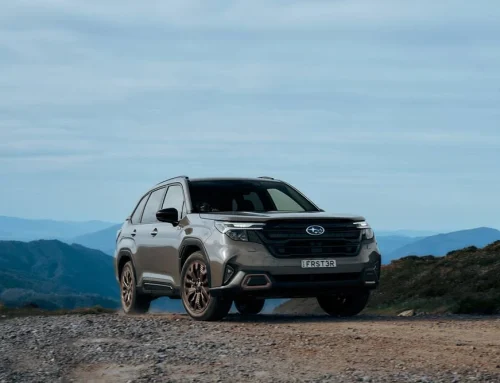
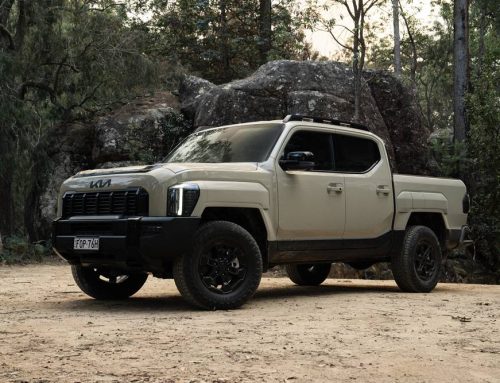

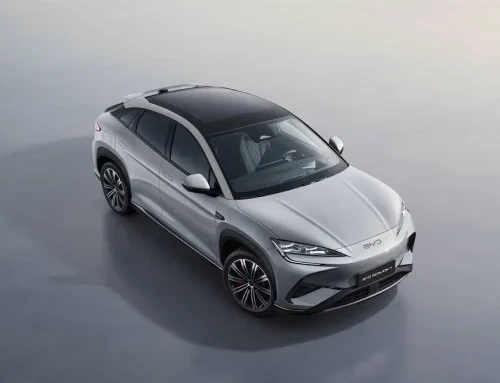
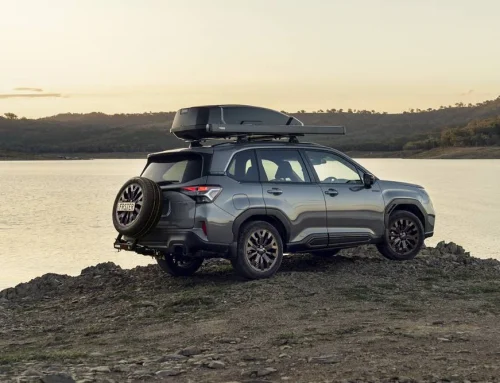
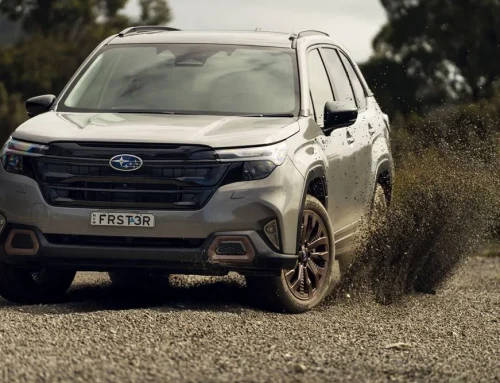



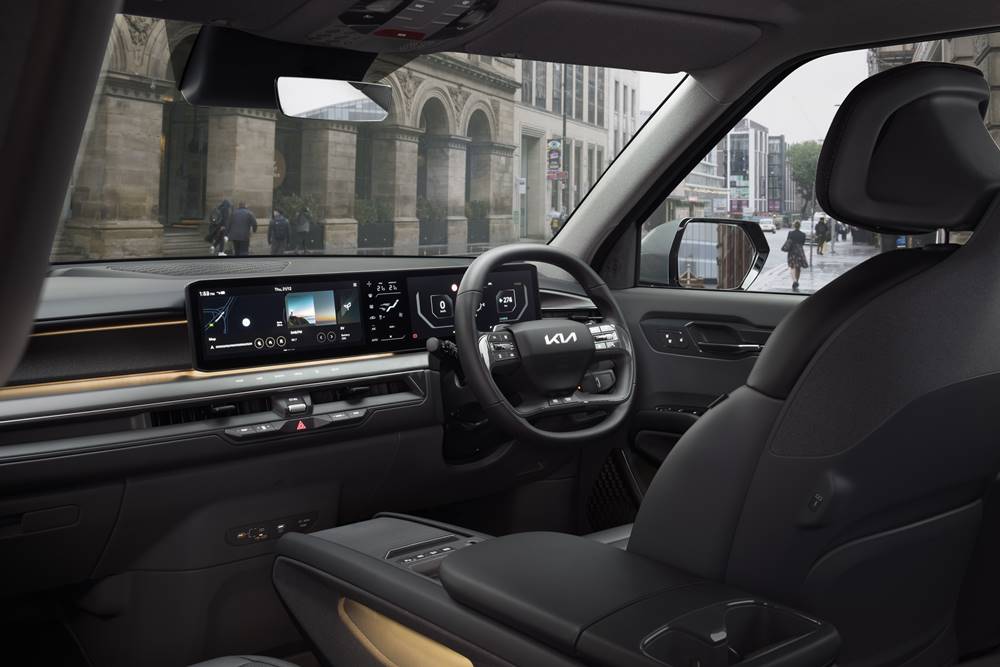

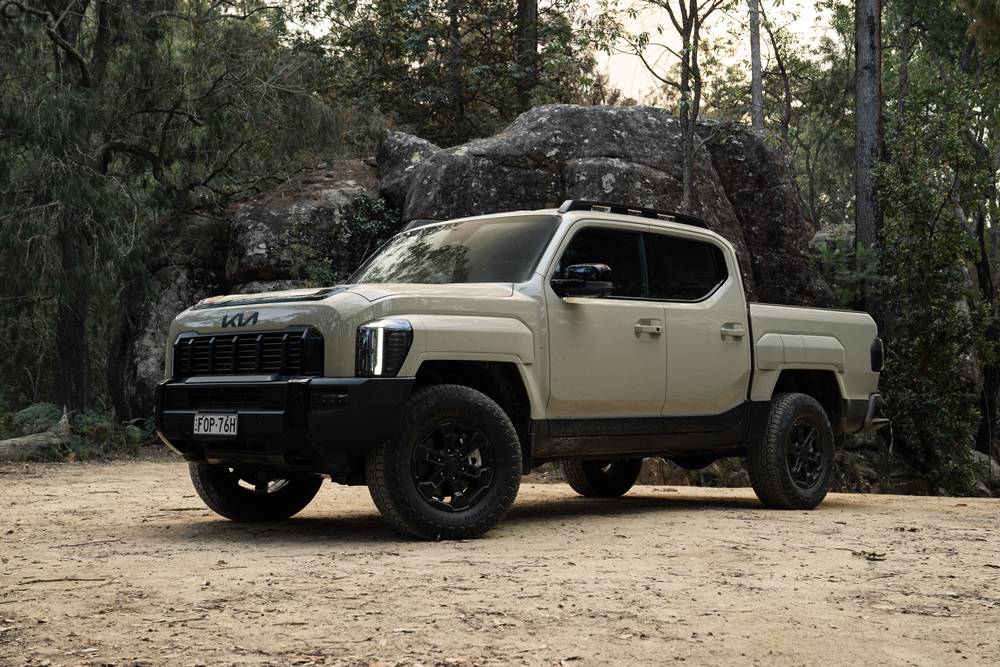
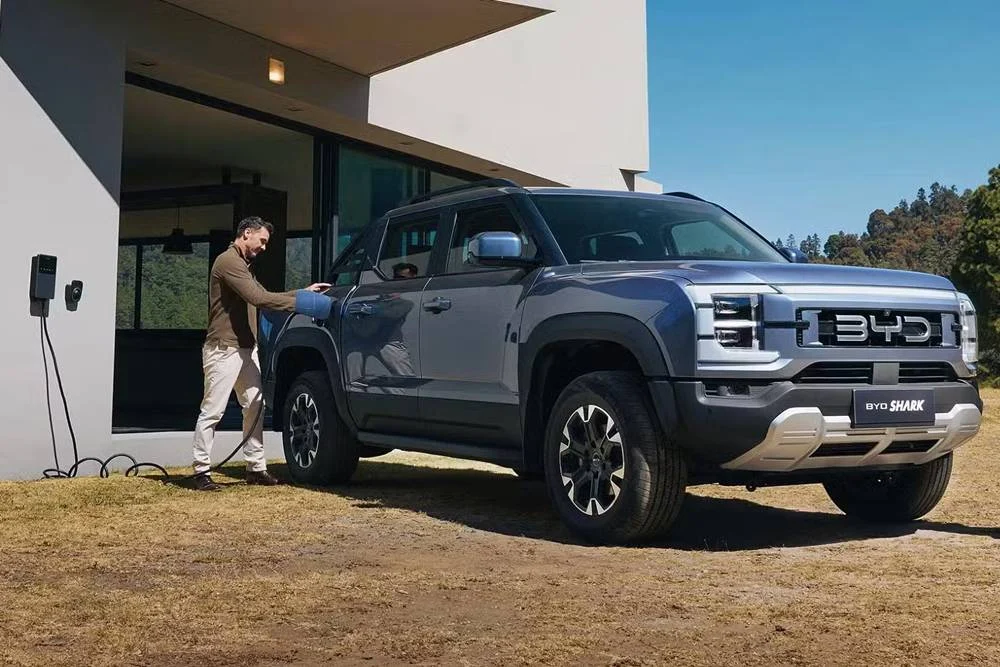



The only trouble we’ve seen with some brands is the price of PHEV models. They’ll all have to sharpen their pricing if the Chinese models keep coming at the same rate
Hi Alan,
Great article, and it hits on the exact mental tug-of-war I think a lot of us are having. You perfectly framed the PHEV as the “sweet spot,” but I’d argue it’s more specifically the “rational compromise for the irrational world we live in.”
Here’s my take: The EV infrastructure is coming, but it’s a patchwork quilt of reliability. The PHEV is the perfect tool for this moment in time. It lets me vote with my wallet for electrification daily (my school run and groceries are all on cheap, silent battery power), but completely sidesteps the “charger anxiety” on a spontaneous weekend road trip to see my parents in a regional town with one sketchy public plug.
The psychological benefit is huge. I’m not the hypermiling EV driver nervously watching the guess-o-meter, nor am the petrol-only driver feeling like I’m missing the tech wave. I get the best of both, for now.