
Polestar has finally taken the covers off the Polestar 3 electric performance SUV. Scandi style reflects the closeness of Polestar to sister brand, Volvo. Polestar 3 is related to Volvo’s forthcoming EX90 SUV
“Polestar 3 is a powerful electric SUV that appeals to the senses with a distinct, Scandinavian design and excellent driving dynamics,” says Thomas Ingenlath, Polestar CEO. “It takes our manufacturing footprint to the next level, bringing Polestar production to the United States. We are proud and excited to expand our portfolio as we continue our rapid growth.”
“This car has been designed as a Polestar from the start and features new defining characteristics for us – like the dual blade headlights, SmartZone and front aero wing,” continues Thomas Ingenlath.
Polestar 3 uses eco-materials that are all ethically obtained, and are sustainable. The exterior design is not a million miles from existing Polestar models but it is the drive system that is mots notable.
Polestar 3 uses Volvo’s NVIDIA DRIVE core computer, which acts as a central brain. NVIDIA’s sensors tie in with driver and safety aids to provide a smoother, safer, user experience.
The infotainment uses next-generation Snapdragon Cockpit Platform from Qualcomm Technologies, Inc.
Like Volvo Cars, Polestar is aiming for a new era of safety. Polestar 3 will have Volvo’s next-generation advanced active and passive safety technology. For example, interior radar sensors detect sub-millimetre movements in the cabin, to help protect against accidentally leaving children or pets inside. The system is also linked to the climate control system to avoid heat stroke or hypothermia.
Collaborations with partners like Zenseact, Luminar and Smart Eye, give Polestar 3 next generation ADAS (Advanced Driver Assistance System) aided by the aforementioned centralised computing
This Week Review: 2022 Haval H6 GT AWD Fast back SUV FULL Review
Help Support Gay Car Boys Subscribe to our Youtube Channel
- Top GayCarBoys Stories:
- Sexy Men Drive 2021 Toyota Yaris Cross
- 10 Sexiest MotoGP Motorcycle Riders
- DON’T Drive YOUR CAR until you’ve Checked if your AIRBAG will KILL YOU
- 10 Hottest Racing Drivers
- Top 12 Best Gay Lesbian LGBTI Luxury Cars
- Top 10 Gay Lesbian LGBT Cars
- Top 10 Gay Lesbian LGBT Sports Cars
- Top 15 gay and lesbian LGBT SUVs
- Talented Twinks – Callum Ilott Virtually Races Arthur Leclerc
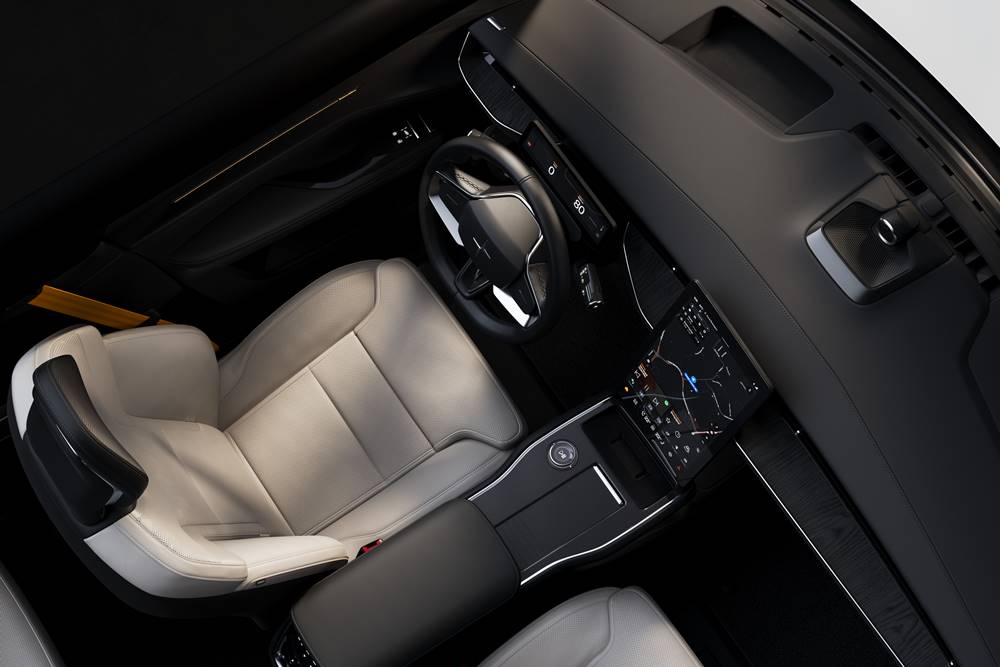

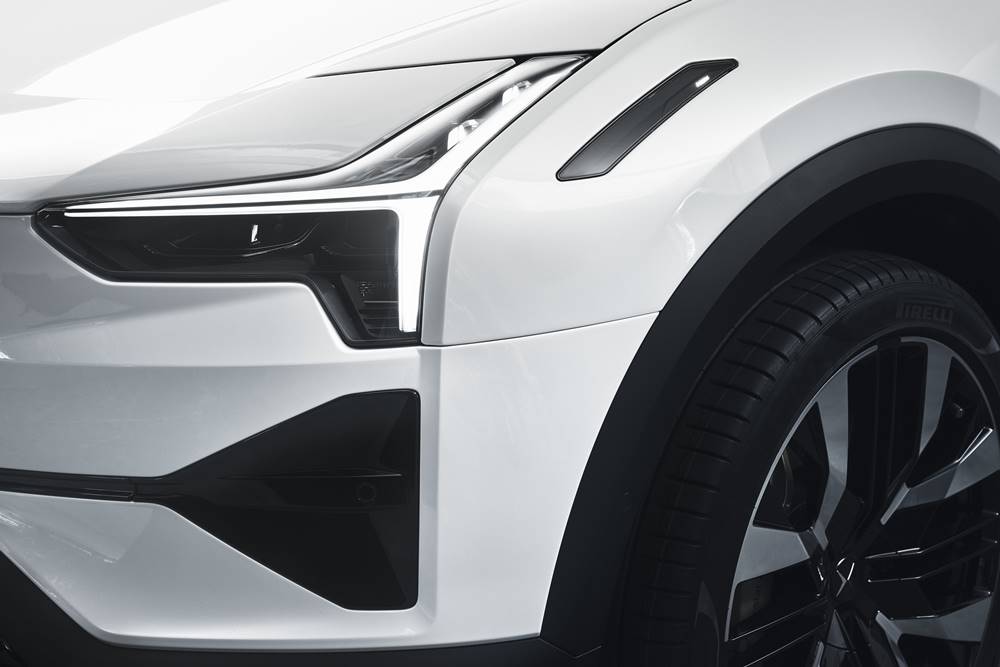
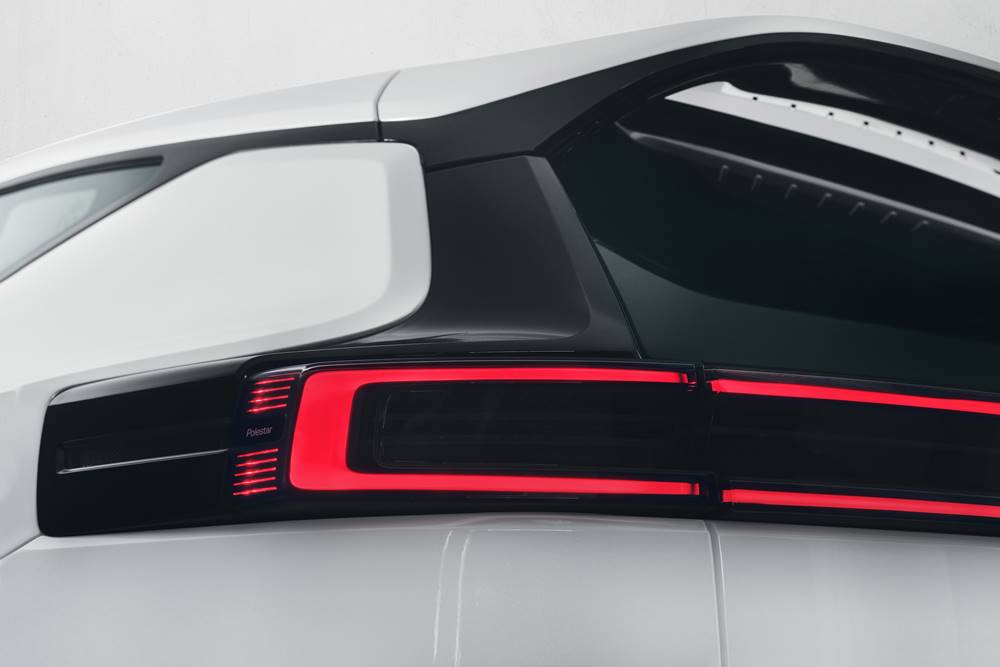
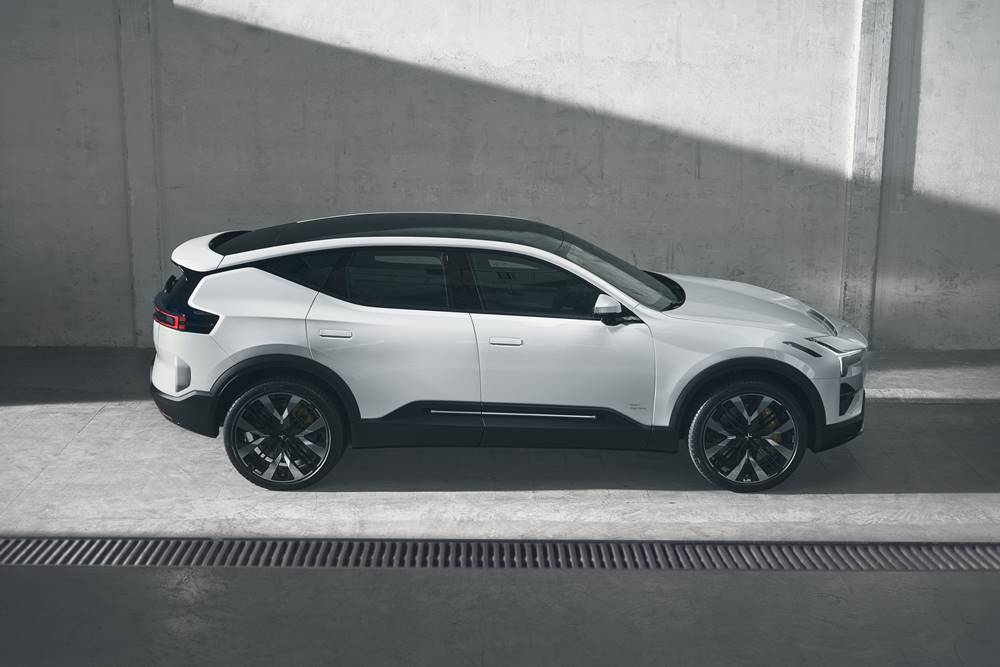
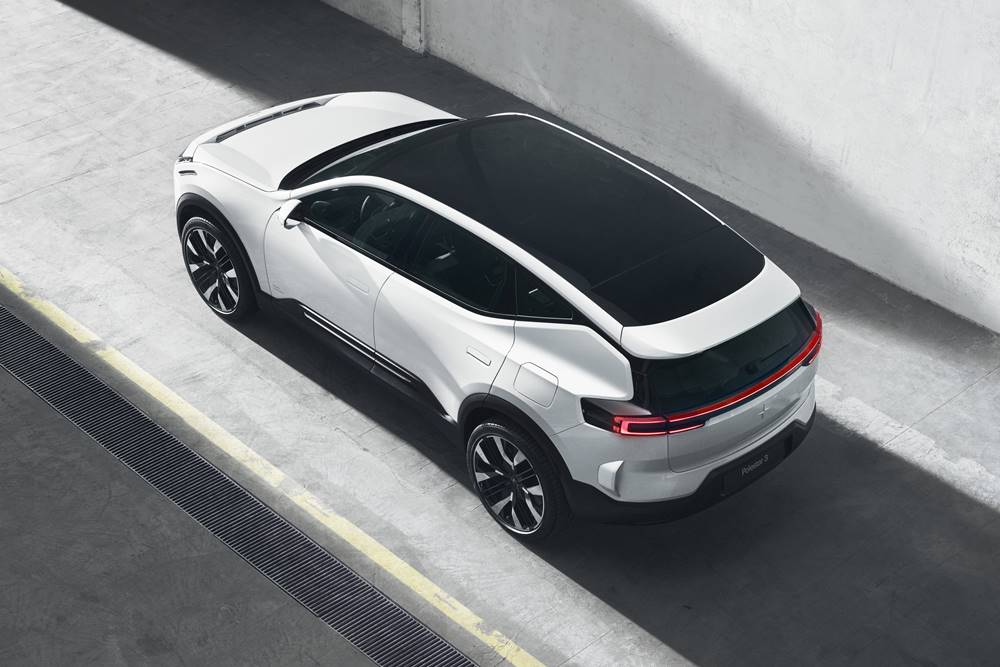
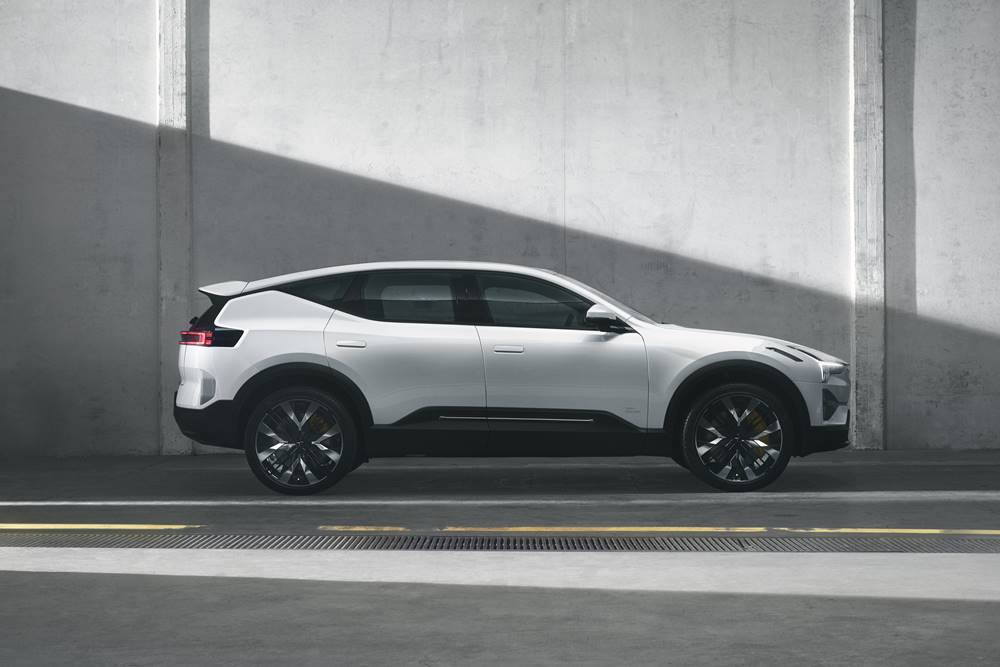
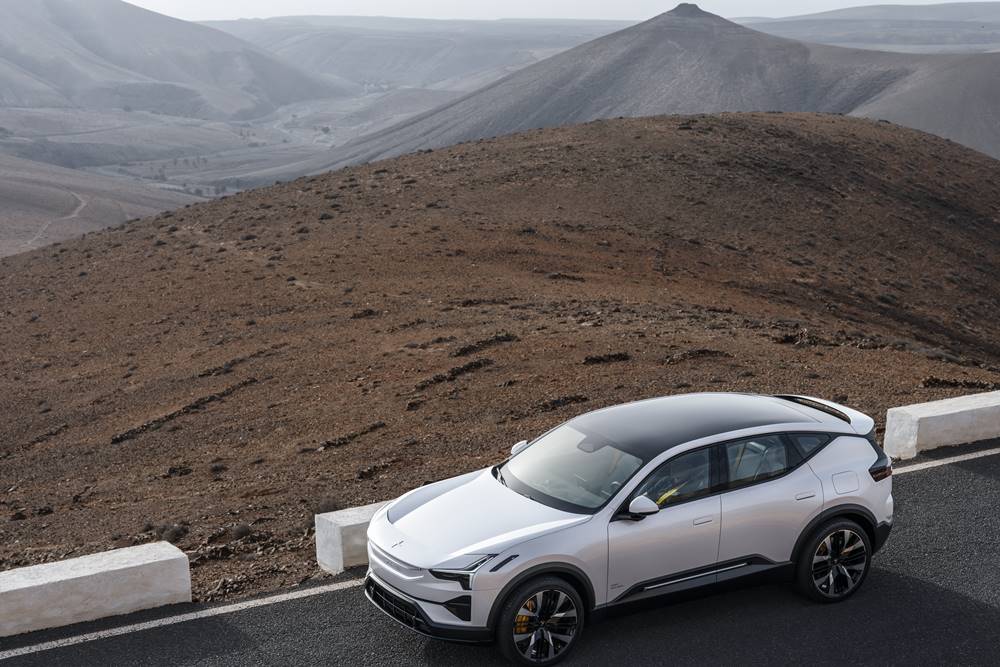
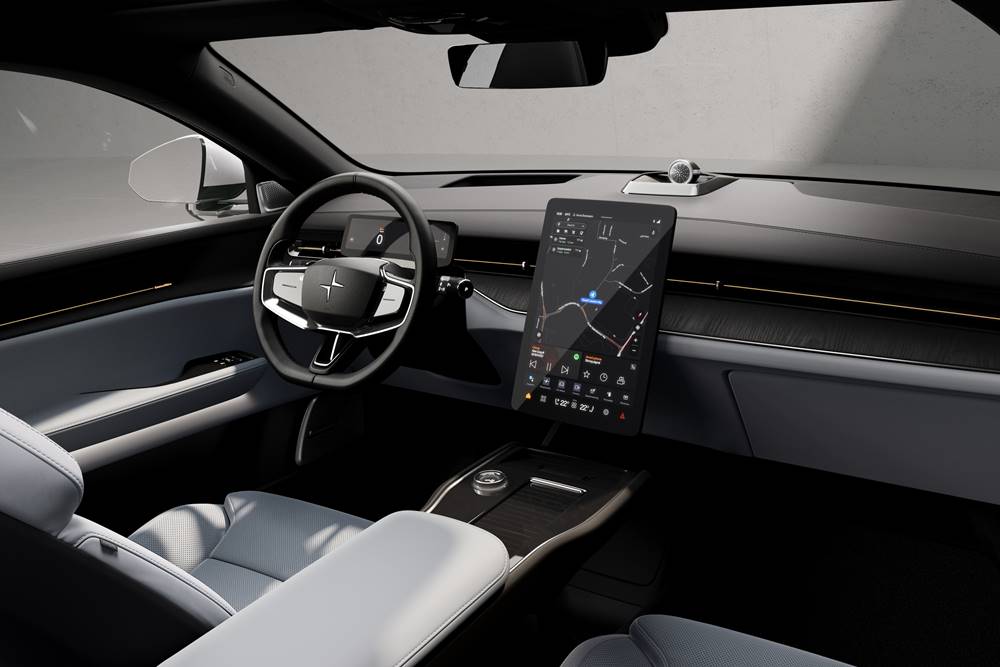
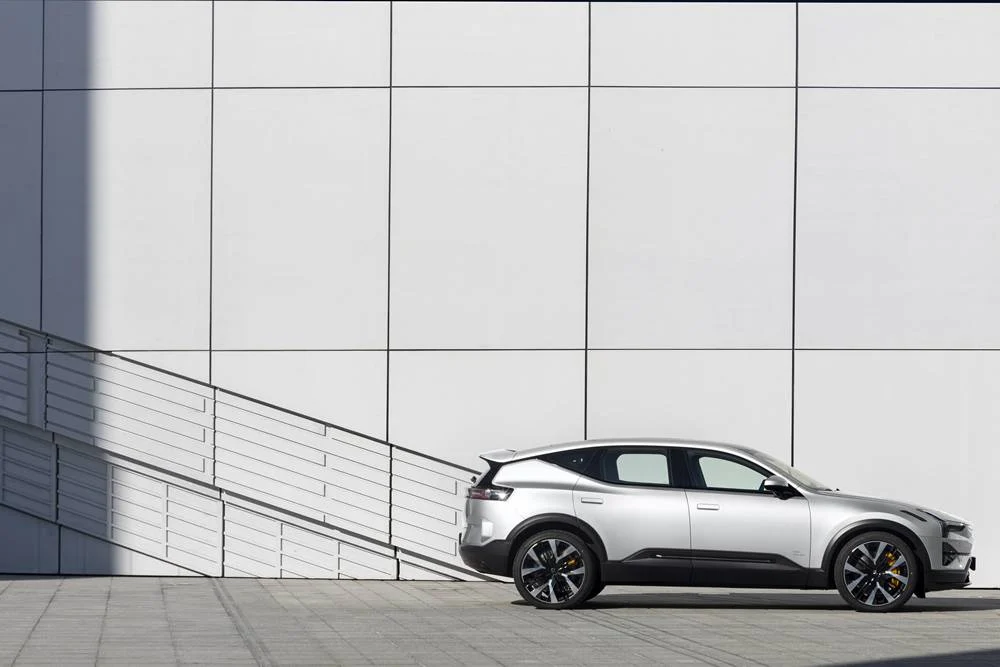
ABOVE: 2023 Polestar 3
Polestar 3 has five radar modules, five external cameras and twelve external ultrasonic sensors to support numerous advanced safety features. The SmartZone below the front aero wing collects several of the forward-facing sensors, a heated radar module and camera, and now becomes a signature of Polestar design. Inside, two closed-loop driver monitoring cameras bring leading eye tracking technology from Smart Eye to a Polestar for the first time, geared towards safer driving. The cameras monitor the driver’s eyes and can trigger warning messages, sounds and even an emergency stop function when detecting a distracted, drowsy or disconnected driver.
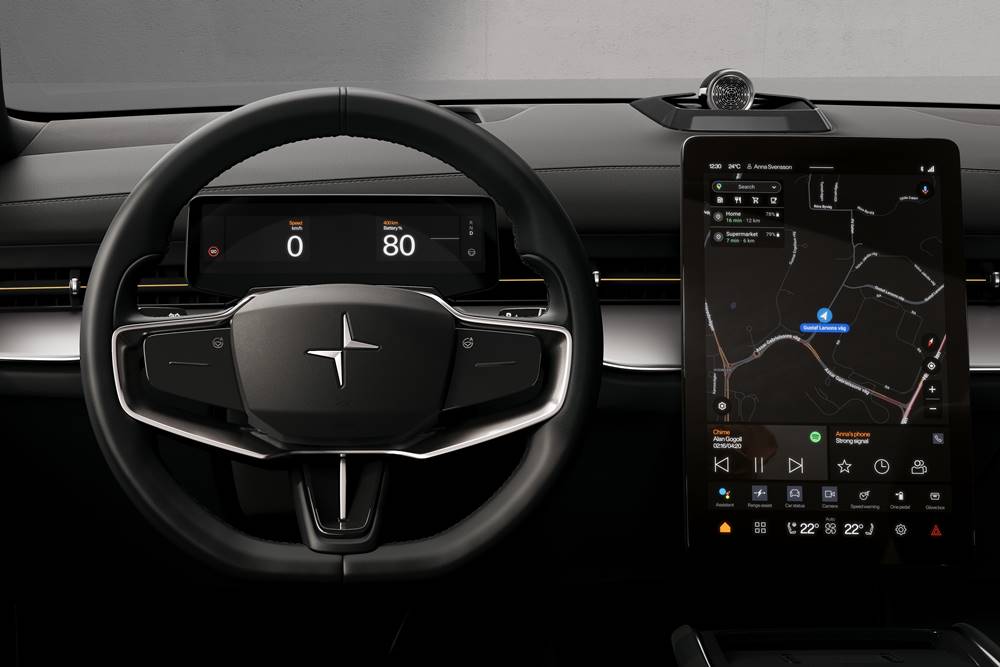
Android Automotive OS is the in-car operating system, co-developed with Google and fronted by a 14.5-inch centre display. It is an evolution of the technology first launched in Polestar 2 – the first car in the world with Google built-in – and a revolution of functionality and design for the large SUV segment. Over-the-air (OTA) updates are included to allow for continuous software improvement and the introduction of new features without the need to visit a service point.
Polestar 3 will initially launch with a dual-motor model with a power bias towards the rear. The standard model has 360 kW/840 Nm , and with Performance Pack, 380kW/910Nm. There is one-pedal drive is included, and an electric Torque Vectoring Dual Clutch function on the rear axle – an evolution of what was first developed for Polestar 1. A decoupling function is also available for the rear electric motor, allowing the car to run only on the front electric motor to save energy under certain circumstances.
Dual-chamber air suspension can switch between comfort and dynamic with adjustments every two milliseconds (500 Hz).
“Our goal was to offer the performance and precision that define all Polestar cars, without compromising the comfort of the daily drive,” says Joakim Rydholm, Polestar’s chief chassis engineer. “To do this, we used new components like the adaptive air suspension to engineer the ‘Polestar feeling’ for this type of car.”
A 111 kWh gives a range of up to 610 km WLTP[1] (preliminary). The lithium-ion battery features a prismatic cell design housed in a protective aluminium case with boron steel reinforcement and liquid cooling. A heat pump is included as standard, helping Polestar 3 utilise ambient heat for climate- and battery preconditioning. Polestar 3 is also equipped for bidirectional charging, enabling future potential for vehicle-to-grid and plug-and-charge capabilities.
Like Polestar 2, Polestar 3 is well equipped:
- air suspension
- a full-length panoramic glass roof
- all-LED lighting inside and out
- retractable door handles with proximity sensing
- 21-inch alloy wheels.
The first year run of Polestar 3 includes the Plus Pack and Pilot Pack
25-speaker audio system from Bowers & Wilkins
3D surround sound and Dolby Atmos capability,
oft-closing doors
a head-up display
Pilot Assist.
The 2nd quarter of 2023, adds features to the Pilot Pack including
- LiDAR from Luminar
- additional control unit from NVIDIA
- three cameras
- four ultrasonic sensors
- cleaning for the front- and rear-view cameras
These additions will prpare Polestar 3 for autonomous driving.
The optional Performance Pack includes power increase to 380 kW / 910 Nm, performance optimisation for the air suspension, larger 22-inch forged alloy wheels and the additional signature ‘Swedish gold’ details.
Polestar 3 shares the Volvo Cars’ 100% EV platform made at the facility in Chengdu, China, with first deliveries expected in the fourth quarter of 2023.
2024 sees additional manufacturing at Volvo Cars’ Ridgeville, South Carolina USA. It is expected that this will supply to North American, with other markets also switching from China to the US with deliervies starting mid 2024.
Polestar 3 Long range Dual motor (360 kW/ 840 Nm) costs $135,000. Australian customers can register their interest online from 13 October 2022. Full specification available at www.polestar.com/au
| Polestar 3 | Long range Dual motor |
| Indicative launch price | From AUD $135,000 |
| Plus Pack | Included |
| Pilot Pack | Included |
| Pilot Pack with LiDAR | Optional, expected to be available to order from Q2 2023 |
| Performance Pack | EUR 6,600 (Local pricing to be confirmed closer to launch) |
| Power | 360 kW (380 kW with Performance Pack) |
| Torque | 840 Nm (910 Nm with Performance Pack) |
| 0-100 km/h (target) | 5,0 seconds (4,7 with Performance Pack) |
| Top speed | 210 km/h |
| Battery capacity (nominal) | 111 kWh |
| Battery type | 400V lithium-ion |
| Battery construction | 204 prismatic cells, 17 modules, aluminium battery case |
| Range (preliminary, target) [1] | Up to 610 km (WLTP) |
| Electric motor type | Permanent magnet synchronous motors |
| Electric motor configuration | Dual, front and rear |
| Torque vectoring | Dual clutch (rear motor only) |
| Transmission | Single speed |
| Drag coefficient | 0,29 Cd |
| Drag force | 0,78 CdA |
| Charging capacity (DC) | Up to 250 kW |
| Charging capacity (AC) | Up to 11 kW |
| Wheelbase | 2,985 mm |
| Length | 4,900 mm |
| Height | 1,627 mm (1,614 in Europe) |
| Width incl. mirrors | 2,120 mm |
| Ground clearance | 211 mm (201 mm in Europe) |
| Kerb weight | 2,584-2,670 kg |
| Weight distribution | 50:50 |
| Towing capacity (braked) | 2,200 kg |
| Chassis type | Steel unibody |
| Body type | Steel |
| Wheels and tyres | Staggered, 21-22 inches |
| Brakes | Brembo 4-piston, 400 mm drilled and ventilated discs (front)
Standard single-piston, 390 mm ventilated discs (rear) |
| Turning circle (kerb to kerb) | 11,8 m |
| Suspension | Double wishbone (front)
Integral link (rear) |
| Damping | Adaptive, self-levelling dual-chamber air suspension with ZF active dampers |
| Front storage compartment | 32 litres |
| Rear luggage capacity (seats up) | 484 litres (incl. 90 under floor) |
| Rear cargo capacity (seats folded) | 1,411 litres (incl. 90 under floor) |
| Roof carrying capacity | 100 kg |
More Volvo and Polestar
- 2022 Volvo CX 60 B6 AWD Mild Hybrid Review: Better than Good
- Volvo to Build new EV Battery Plant in Gothenburg, Sweden
- Volvo Claims Fastest Growing Luxury Brand
- Volvo launches XC40 Recharge Pure Electric, Single Motor SUV.
- Volvo to Buy Geely’s Share in Chinese Plant
- Volvo S90 -Used Executive Car of the Year UK
- Clever Volvo Key Restricts Speed
- Is Volvo XC40 Recharge Hybrid a Real Viking?
- Polestar Rolls Out OTA Updates for Polestar 2 Models
- 2022 Polestar 2 Dual Motor Review
- Polestar 2’s Android Google Operating System Top 10 Tips
- Polestar 2 VS Tesla Model 3
- Polestar 2 Where Its Google OS is Star-Trek-Meets-Car-Trek
- How Much and How Long to Charge My Polestar 2?
Discover more from Gay Car Boys
Subscribe to get the latest posts sent to your email.












Leave a Reply