

In purely altruistic statement I’m sure, Volkswagen Group Australia Managing Director Paul Sansom has called on the building industry and government to “liberate Australians from traditional filling stations with home EV charging”.
There are two main fences over which EV buyers must hurdle, range, and price. Like the housing market, government attempts to entice buyers by providing incentives such as direct rebates and tax refunds, only serve to increase retailer profits and very little to reduce pricing.
Charging, on the other hand, is a different kettle of fish. Recent expansions of privately installed chargers have gone some little way to helping city dwellers, but much more is needed, especially “at home”.
In the keynote address at the Green Building Council’s TRANSFORM 22 summit in Sydney, Mr Sansom said that the automotive and the building industries “are becoming increasingly and permanently interdependent”.
“The greatest misconception around EVs in this country remains so-called ‘range anxiety’,” Mr Sansom said. “The opportunity – the necessity – exists to transform this perception to a reality of convenience and enablement.
This Week: 2022 Mazda CX-5 Review at Kingsford Luxury Country House Estate
Help Support Gay Car Boys Subscribe to our Youtube Channel
- Top GayCarBoys Stories:
- Sexy Men Drive 2021 Toyota Yaris Cross
- 10 Sexiest MotoGP Motorcycle Riders
- DON’T Drive YOUR CAR until you’ve Checked if your AIRBAG will KILL YOU
- 10 Hottest Racing Drivers
- Top 12 Best Gay Lesbian LGBTI Luxury Cars
- Top 10 Gay Lesbian LGBT Cars
- Top 10 Gay Lesbian LGBT Sports Cars
- Top 15 gay and lesbian LGBT SUVs
- Talented Twinks – Callum Ilott Virtually Races Arthur Leclerc
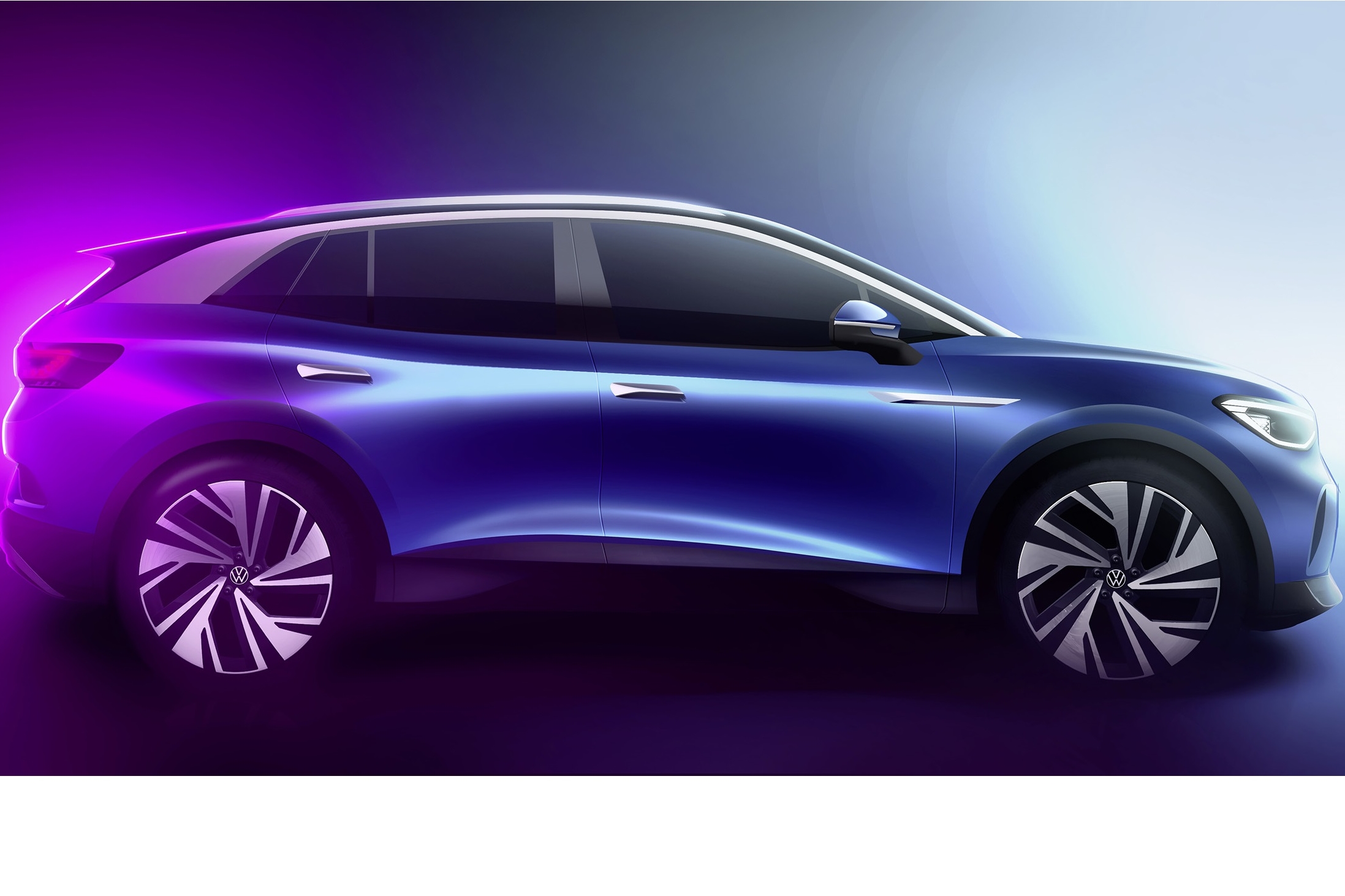
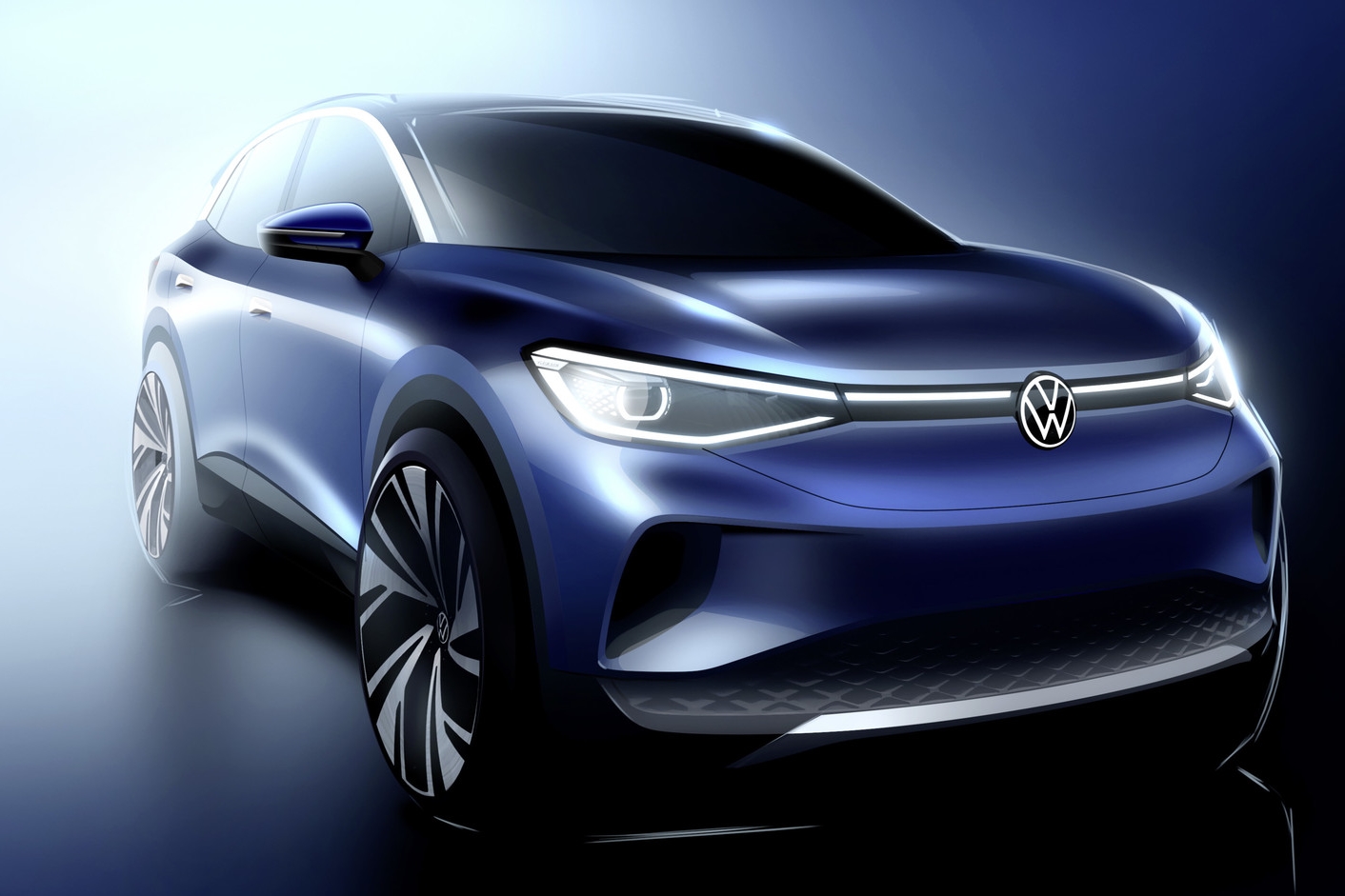


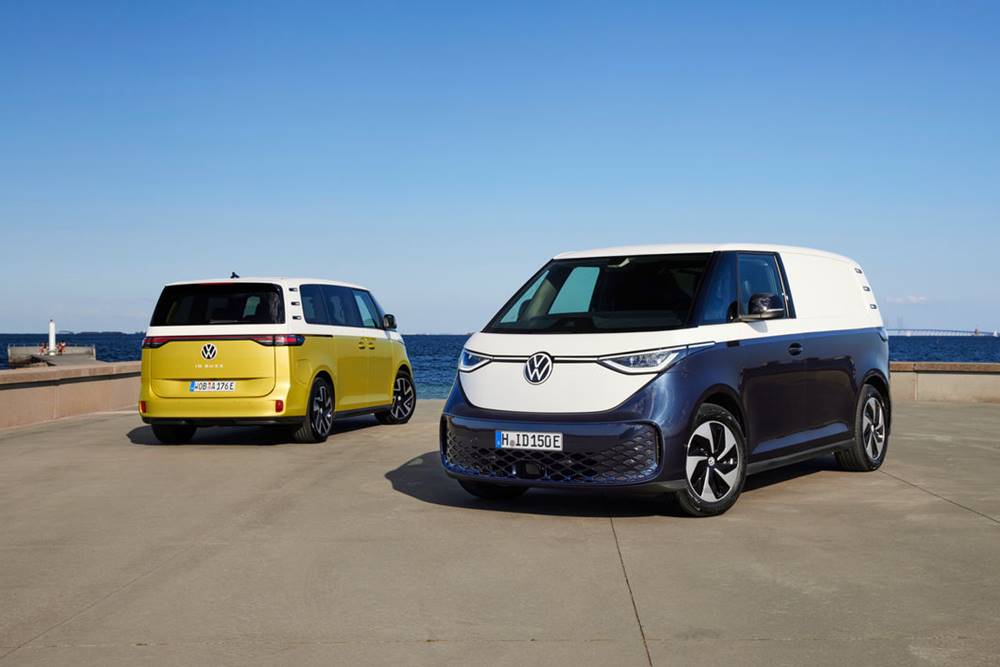
ABOVE: VW EVs
Mr Sansom’s use of “so-called” was telling, very telling indeed. Range anxiety is real, especially for those in strata who cannot charge at home, or those outside city limits. Beyond the walled citadels, charging is something the residents do to their phones. Car charging is a joke told in front of a country pub fire place.
Worse still, the very-occasional charger can only be found on major inter-city highways, often on old sections no longer on the main route.
“For by far the greater part of the time EVs will charge at work or home, meaning that we are for the first time being liberated from the necessity of traditional ‘filling’ stations. The creators of our built environment will provide accessible and efficient home charging. This will be the greatest enabler of zero emission vehicle ownership.
“Neither new houses nor new apartment buildings will be feasible without easy access to renewable EV charging; no more so than a home without internet access. There can be no doubt that the lack of such facility will negatively affect the value of property.”
Mr Sansom said that the advent of the Volkswagen Group’s Vehicle to Grid technology is a “game changer with respect to accelerating EV uptake in Australia and reducing the national carbon footprint”.
Mr Sansom is, of course, referring to bi-directional charging which allows the car to be used as a mobile home battery. In that scenario, drivers can hook up their EVs to a specialised unit allowing power to flow either way.
“Our cars will become your own personal renewable energy eco system by using the cars battery to store solar power for domestic use in your homes,” Mr Sansom said. “The MEB platform, on which Volkswagen Group EVs are built, feature this technology.”
Mr Sansom called upon the Federal Government for binding Co2 emissions standards and a building code policy that all states can adopt.
“VGA has said with reason that this otherwise enviable country of ours has lagged behind the rest of the first world in creating the conditions for zero emissions mobility. VGA was proud to speak in support of the New South Wales Government on the introduction of its world class EV adoption strategy.
New South Wales was one of the very few governments to have a strategy beyond one that supports miners and fossil fuel retailers. Even so, strata dwellers are a very long way from being able to charge their cars at home, let alone using it as a battery.
In order for those in highrise being able to charge in house, either a dedicated bay, or charge points at each parking space, would need to be installed in new developments. As for retrofitting existing stock, we saw the problem encountered by the NBN in trying to repace outdated 19th century tech with a modern one.
None-the less, NSW presses on.
“This is a progressive and ambitious, but sustainable plan that say should serve as the template for a long overdue federally mandated model. In terms of the global quest for sustainability, a zero emission vehicle fleet is a non-negotiable pre-condition.”
Government could encourage existing developments to install shared points, but they’re of little use without being ultra-fast units. They’d also require costing penalties for over-stayers. Individual owners might take advantage of individual points, perhaps subsidised by the owner’s corp and government. The problem so far has been the difficulty in getting power to parking spots. Would it be connected to the resident’s own account? Or shared communally, bringing with it the usual concerns by those who hate change.
Take my area as an example: it has 2 of the very few 350kw charging stations in Sydney. This inner-city suburb is hardly the hub of the world, yet its ultra-rare fast charging has been out of action for several months. This leaves Audi’s single 156kw unit as the only place available for a quickie.
Slower 22kw destination chargers are usually free, and slightly more ubiquitous, but as are good as useless for drivers wanting to fill from empty as it takes hours.
There is one last point, probably the most important one. EVs have different maximum charging limits and only a very few can use 350kw chargers to their fullest.
More VW Stories
- DON’T Drive YOUR CAR until you’ve Checked if your AIRBAG will KILL YOU
- VW Golf R Performance Special edition: A Benign Weapon
- 2018 Volkswagen Golf R Wagon Review
- 2018 VW Golf GTI Original MK 7.5 video car review
- 2018 VW GTi Golf MK Vii road test Video Review
- 2018 Volkswagen Golf GTI Original Launch Review
- 2018 VW GTi Golf MK Vii road test Video Review
Other GayCarBoys EV Stories:
- The Trouble with Electric Car Charging-Polestar 2
- We drive 2019 Jaguar I-Pace SE EV400 Electric car
- 2021 Hyundai IONIQ 5 EV Review
- KIA’s EV6 is Finally Here: What a Cracker! FULL REVIEW
- 2021 KIA Niro EV, PHEV and Hybrid First Drive
- Hyundai NEXO Hydrogen Fuel Cell SUV REVIEW
- Is Hyundai’s Kona EV the Best Electric Car on the Market?
- Audi E- Tron 50 Review PT 1: EV Myths BUSTED!
- 2021 Audi E-Tron 50 Sportback Review: PT 2 The Drive
- 2019 Jaguar I-Pace SE EV400 Driven and rated in GALSTON GORGE Australia Video Review
- Nissan LEAF 2019: All New EV Powers Your Home VIDEO REVIEW
- Hyundai’s 2019 Electric Ioniq: The cheapest EV In Australia?
- New Nissan Leaf Could Power Your Home for a Week
- Tesla Model 3 Colors and Price
- Charging My tesla Model 3
- Tesla Model 3 Full Review Inside, outisde, and Roadtest
- Mini Cooper SE electric
- Karma Starts E-Flex Prototype Testing
- Is Karma Automotive’s New E-Flex Platform a Game Changer
Discover more from Gay Car Boys
Subscribe to get the latest posts sent to your email.








Leave a Reply