Some experts claim EV buyers suffer the most from modern car technology trends, but the reality is more nuanced. While the industry points to EV-specific issues, many of these “failures” are common to all modern vehicles, suggesting a lingering anti-EV sentiment. While depreciation is a major concern for early adopters, it currently grips the entire new car market as retailers slash prices to clear overstock. Concerns over battery failure are often overstated; most traction batteries outlast the vehicle itself. In fact, high-mileage Tesla Model S examples have surpassed 400,000km on original brake pads, though some received warranty battery replacements. In Australia, replacement costs range from $12,000 to $15,500—a far cry from the $60,000 packs once seen in early Jaguar i-Pace models.
Petrol and diesel vehicles are far from immune. Kia and Hyundai faced significant fire risks from electronic faults in ABS modules, and the complexity of modern engines is reaching a breaking point. Take BMW’s high-performance cylinder coatings; once the plasma-sprayed lining is compromised, the engine block becomes a literal “boat anchor” that cannot be machined or repaired. Similarly, Ford’s “Wet Belt” technology—where the timing belt runs through the engine oil—has led to catastrophic failures when the belt degrades and clogs oil pickups. We are also seeing widespread recalls from Toyota, GM, and Stellantis due to machining debris left in engine blocks, a symptom of “high-strung” engines running ultra-thin oils for efficiency over longevity.
Above: This Week’s VIDEO Review –2026 KIA TASMAN – Ugly or Genius?
#KiaTasman, #GayCarBoys, #UteLife, #Tasman, #BYDShark6, #KiaAustralia, #RangerKiller, #UteReview, #OffRoadAustralia, #PHEV, #DualCab #GayCarBoys


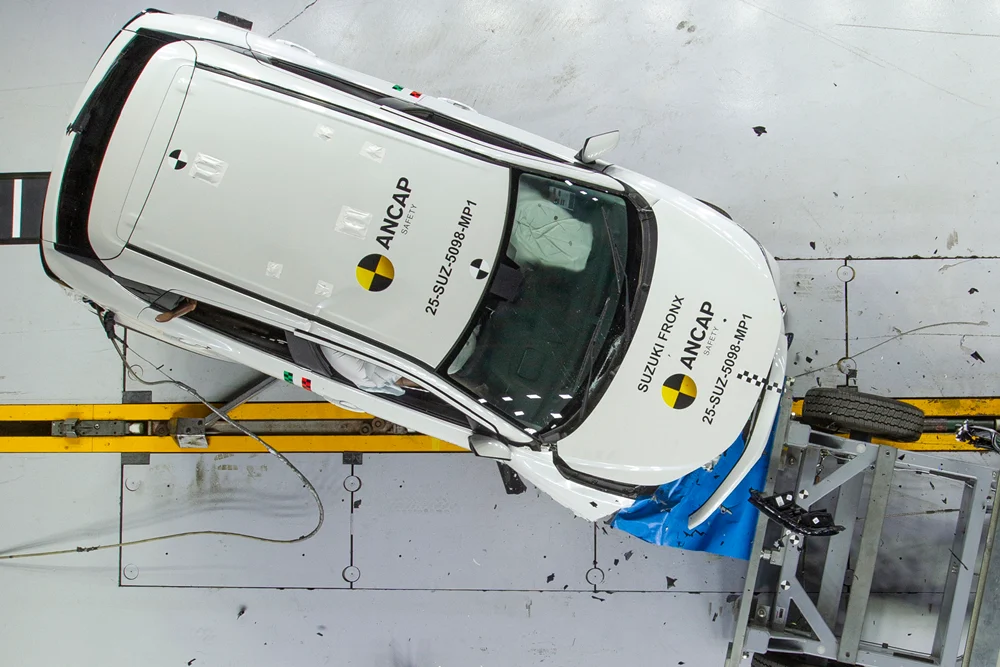
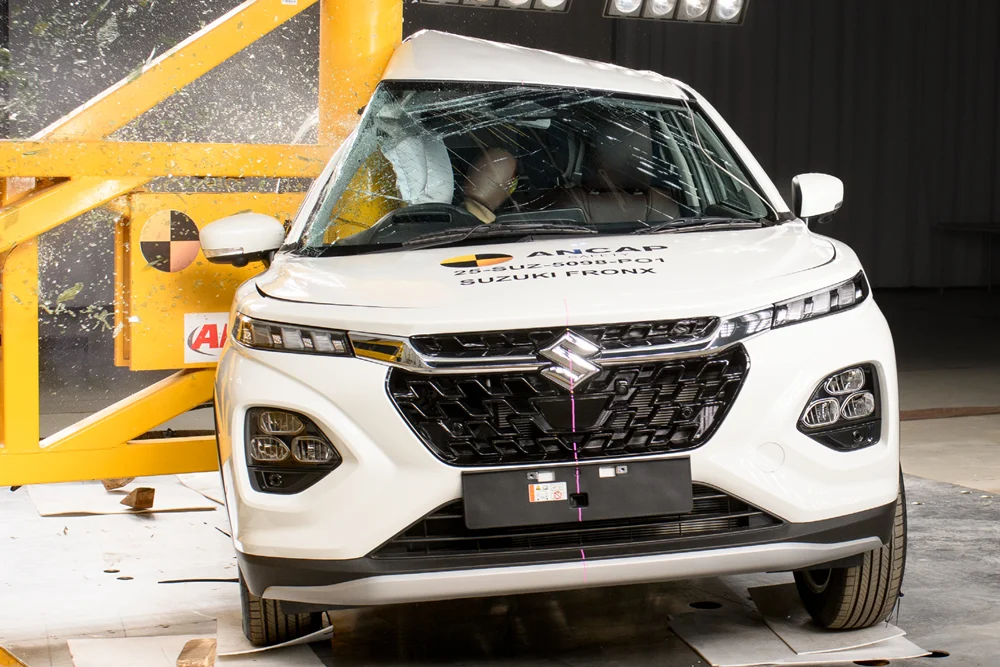




ABOVE: Why Modern Tech Is Killing Vehicle Longevity
The technical rot goes deeper. Mercedes-Benz is currently battling significant cylinder head failures on its M260 and M264 engines, where defective exhaust valves lead to a total loss of compression and an $11,000 repair bill—often just weeks after the warranty expires. Meanwhile, Nissan has issued a massive recall for its complex VC-Turbo engines in the X-Trail due to main bearing failures. This engine is a mechanical Swiss watch that breaks like a cheap toy when the oil isn’t surgically clean. Even the Stellantis 1.2 PureTech remains a ticking time bomb on Australian roads, waiting for the belt to delaminate and seize the vacuum pump.
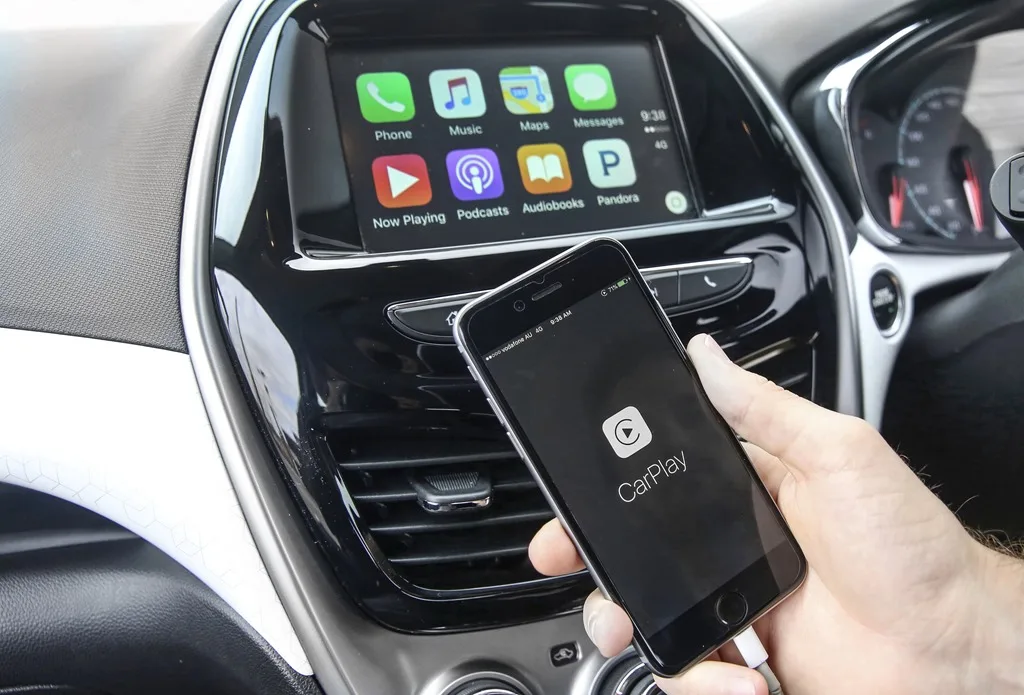
Modern ADAS make all cars prone to premature “death.” A minor bumper tap can now write off a car by destroying the expensive array of cameras, radars, and LIDAR sensors hidden behind the cowling. These components now represent 40% of a vehicle’s total cost. Inside, the cabin is a minefield; a simple coffee spill can ruin a center-console screen or an infotainment controller, effectively ending the life of a decade-old vehicle. We are also seeing the rise of “subscription hardware,” where features like heated seats are software-locked. Our prediction stands: no car made after 1990 will ever become a true classic because the first major computer failure outside of warranty will be too expensive to fix.
However, Australian buyers have a secret weapon: the Australian Consumer Law (ACL). Under the ACL, “Consumer Guarantees” are automatic and do not expire just because the manufacturer’s warranty does. In recent years, the ACCC and tribunals like NCAT (NSW) and VCAT (VIC) have reinforced that a vehicle must be of “acceptable quality” and “durable.” For example, in the landmark Morphy v Beaufort Townsville case, a consumer was awarded a full refund for a Range Rover engine failure out of warranty. The logic is simple: a reasonable consumer expects a modern car to last longer than the arbitrary warranty period. If your high-tech engine or ADAS suite fails prematurely, the law says the manufacturer—not you—is likely on the hook for the repair.
#CarTrends2025, #EVvsICE, #CarReliability, #AutomotiveTech, #ADAS, #ModernCars, #VehicleDepreciation, #ClassicCars, #AustralianMotoring, #CarBuyingTips, #EVFacts, #ACCC
Other GayCarBoys EV Stories:
- The Trouble with Electric Car Charging-Polestar 2
- 2022 Polestar 2 Dual Motor Review
- Polestar 2’s Android Google Operating System Top 10 Tips
- Polestar 2 VS Tesla Model 3
- Polestar 2 Where Its Google OS is Star-Trek-Meets-Car-Trek
- How Much and How Long to Charge My Polestar 2?
- We drive 2019 Jaguar I-Pace SE EV400 Electric car
- 2023 IONIQ5 Epiq VS 2023 Genesis GV70 Electrified IS ONE BETTER?
- 2021 Hyundai IONIQ 5 EV Review
- KIA’s EV6 is Finally Here: What a Cracker! FULL REVIEW
- 2021 KIA Niro EV, PHEV and Hybrid First Drive
- Hyundai NEXO Hydrogen Fuel Cell SUV REVIEW
- Is Hyundai’s Kona EV the Best Electric Car on the Market?t
- Audi E- Tron 50 Review PT 1: EV Myths BUSTED!
- 2021 Audi E-Tron 50 Sportback Review: PT 2 The Drive
- 2019 Jaguar I-Pace SE EV400 Driven and rated in GALSTON GORGE Australia Video Review
- Nissan LEAF 2019: All New EV Powers Your Home VIDEO REVIEW
- Hyundai’s 2019 Electric Ioniq: The cheapest EV In Australia?
- New Nissan Leaf Could Power Your Home for a Week
- Tesla Model 3 Colors and Price
- Charging My tesla Model 3
- Tesla Model 3 Full Review Inside, outside, and Roadtest
- Mini Cooper SE electric
- Karma Starts E-Flex Prototype Testing

Alan Zurvas is the founder and editor of Gay Car Boys, Australia's leading LGBTQI+ automotive publication. Before launching GCB in 2008, Alan's automotive writing was published in SameSame.com.au and the Star Observer. With over 16 years of hands-on car reviewing experience, Alan brings an honest, irreverent voice to every review — championing value and innovation over brand loyalty.
Leave a Reply