

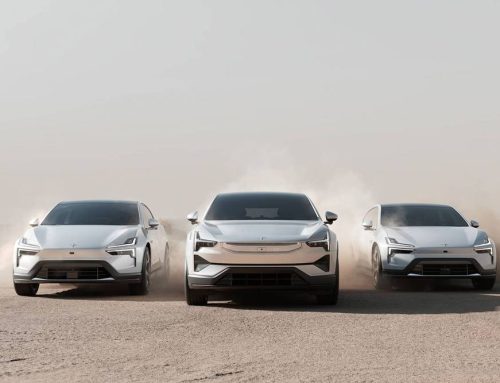
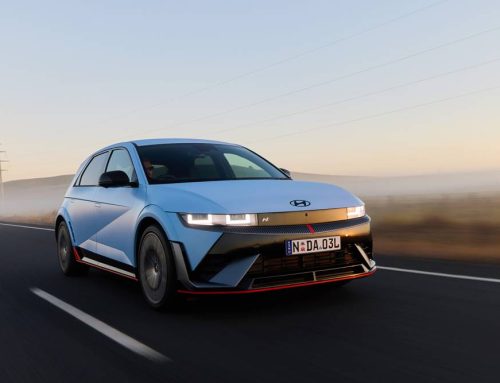
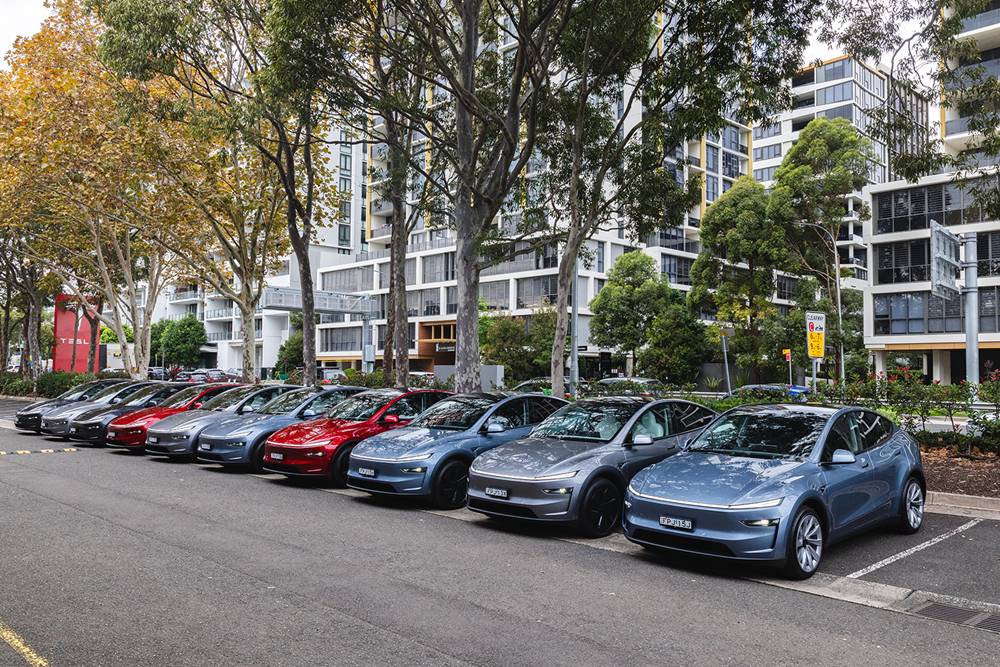
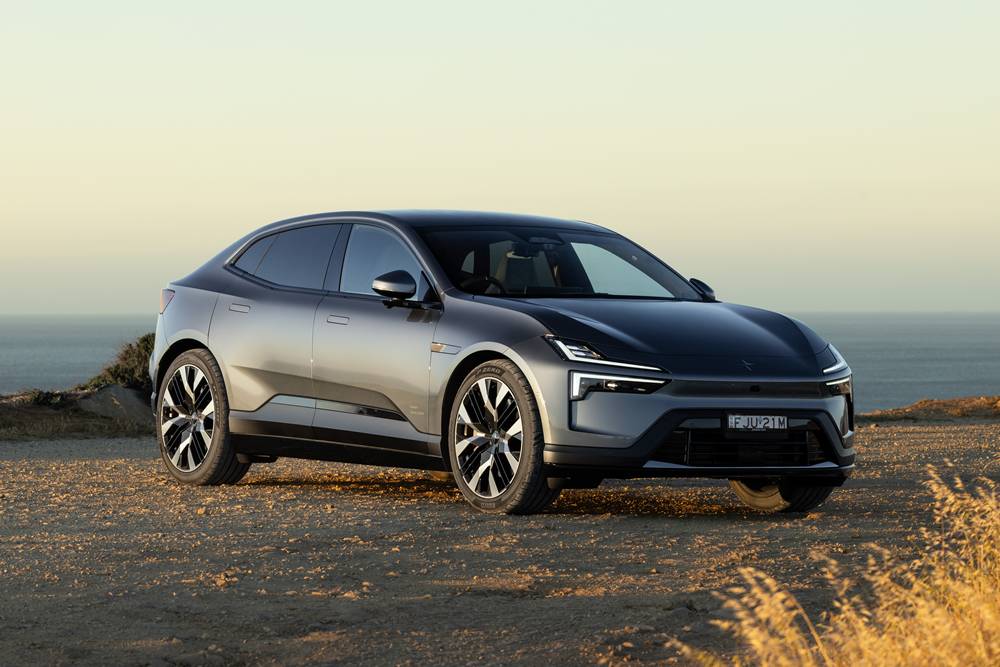
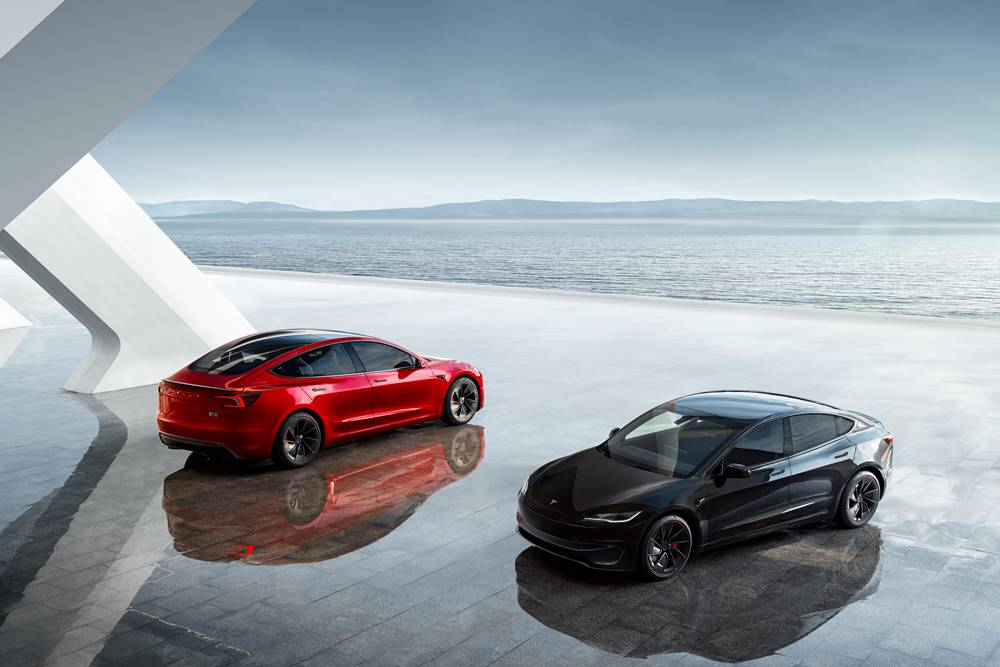
Anyone not living under a rock will have noticed how many EVs are on the road now. Brands such as tesla started out as 100% electric, so are more obvious. Less obvious are the other brands with pure electric models of existing cars, while some brands have released all-new models that are electric only.
Then, there are part-electric cars know as PHEVs, are hybrids that require a plug for full benefit.
Current EV owners will have noticed more and more chargers being rolled out, but of the existing infrastructure, many don’t show up on apps. Some are out of order, or don’t work when you arrive, or are fully spoken for and have queues of eager drivers waiting.
The Federal Chamber of Automotive Industries (FCAI) backs the continuing investment in electric vehicle (EV) charging by Queensland and New South Wales Governments in programs announced this week.
- The Queensland Government has allocated $42 million towards the installation of 2,500 EV chargers over the next three years, 2,000 of these will be for the use of the Government fleet.
- The New South Wales Government has allocated $10 million in grants to retrofit more than 100 apartment buildings with EV charging stations.
Video Review: 2023 Jeep Wrangler Rubicon and 4xe FULL REVIEW + off road shots from US shoot – GayCarBoys review – Alan Zurvas
Video Review: Why My 2022 Jeep Wrangler Rubicon is the Best Gay Car Mini Review
#jeepaustralia, #jeep, #jeepwrangler, #wranglerrubicon, #alanzurvas, #gaycar, #gaycarboys #shorts
- Top GayCarBoys Stories:
- Sexy Men Drive 2021 Toyota Yaris Cross
- 10 Sexiest MotoGP Motorcycle Riders
- DON’T Drive YOUR CAR until you’ve Checked if your AIRBAG will KILL YOU
- 10 Hottest Racing Drivers
- Top 12 Best Gay Lesbian LGBTI Luxury Cars
- Top 10 Gay Lesbian LGBT Cars
- Top 10 Gay Lesbian LGBT Sports Cars
- Top 15 gay and lesbian LGBT SUVs
- Talented Twinks – Callum Ilott Virtually Races Arthur Leclerc

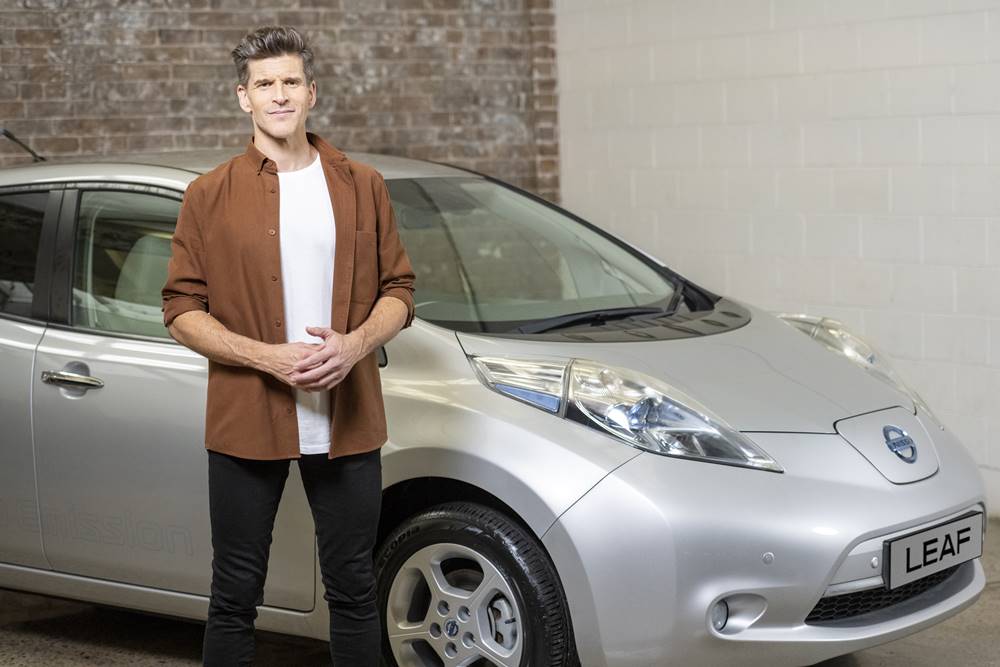
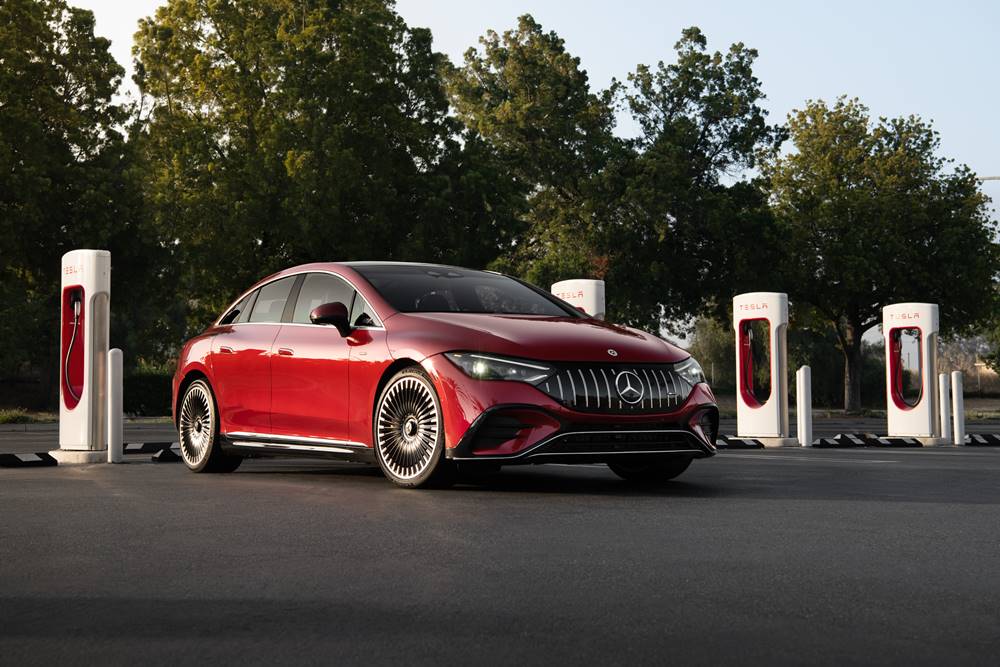
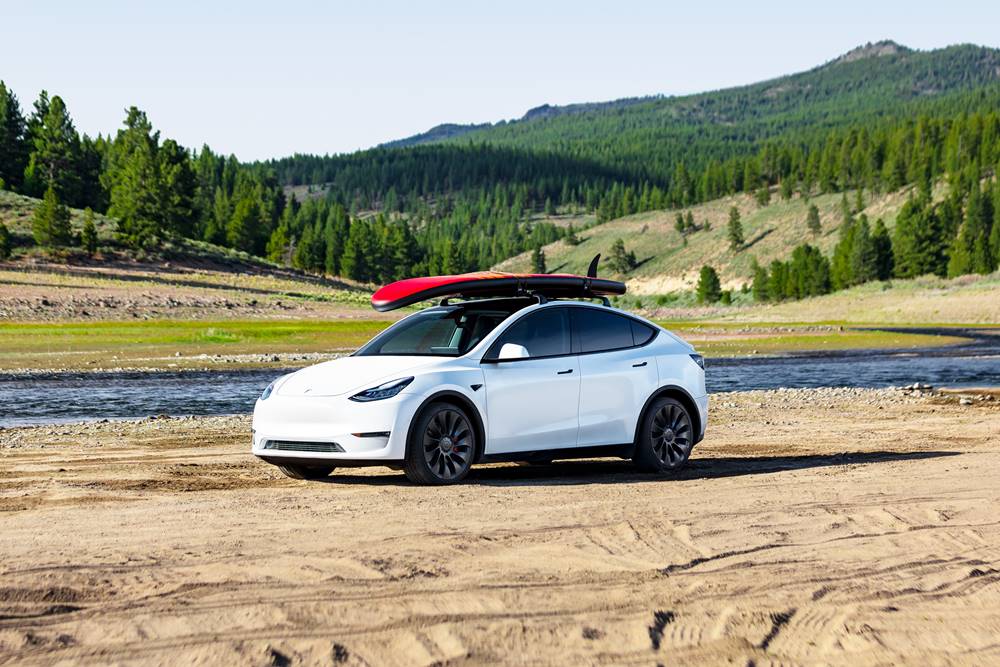
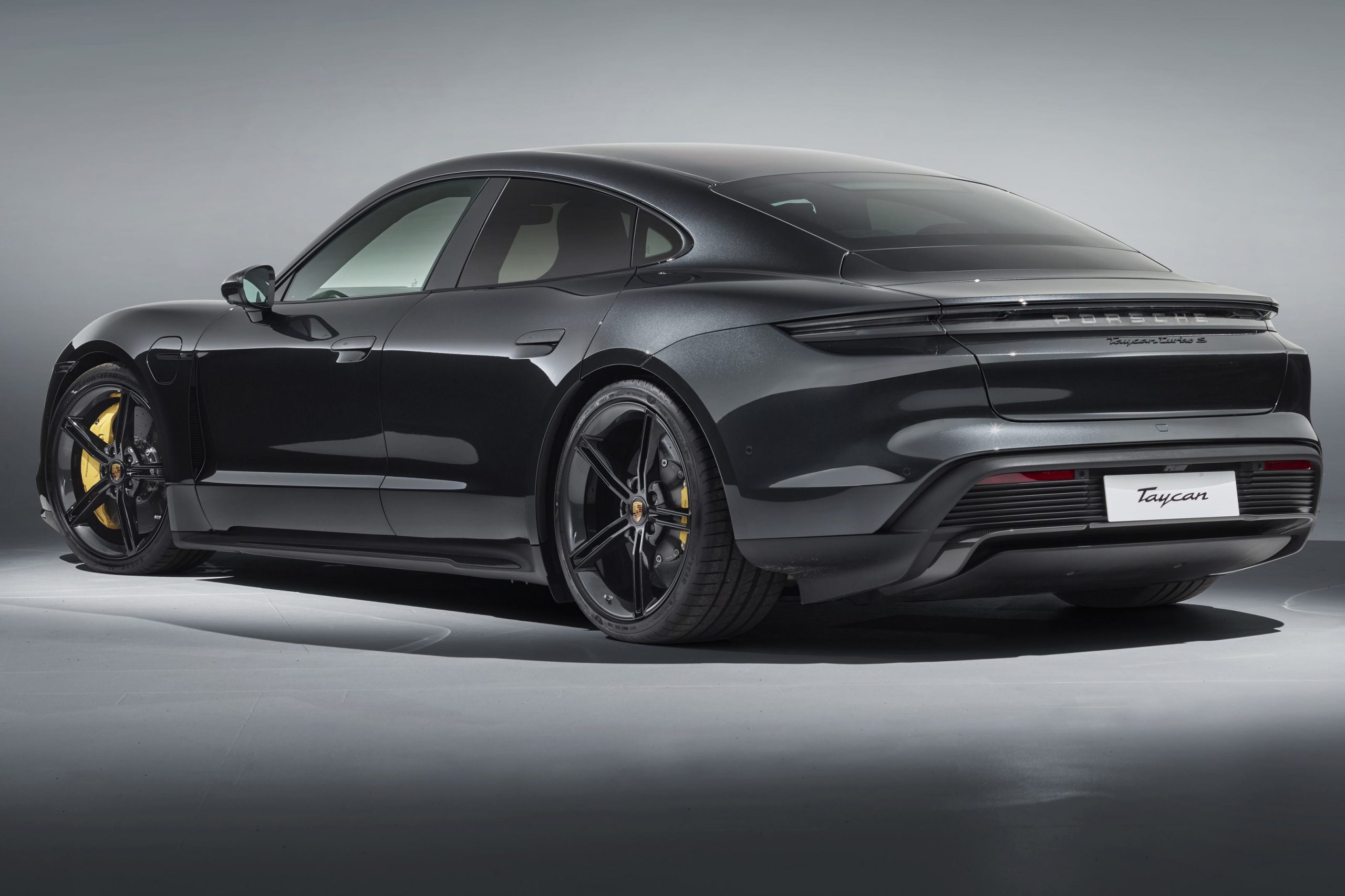
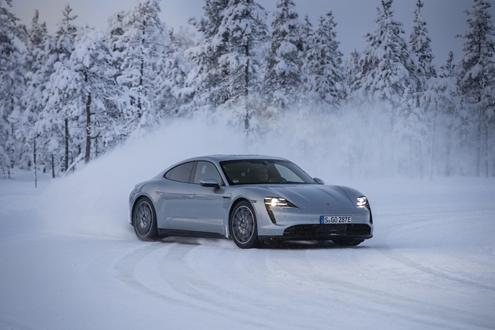


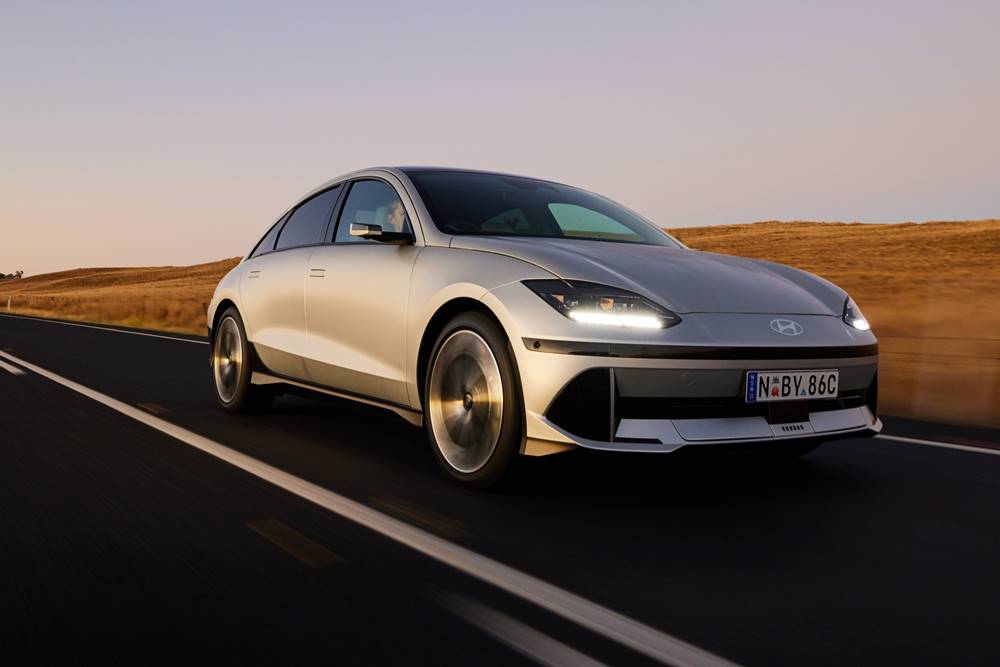

ABOVE: 2023 EV model stories
Investment in EV infrastructure languished under the conservative federal government for over a decade, leaving Australia dangerously behind the rest of the world. Regardless of the resistance by vested interests in the status quo of fossil fuels, the world is increasing the pace at which renewable energy is taking over. Part of that renewable push will be electric vehicles whose batteries can be used to store and distribute energy.
While most EVs can’t share their energy, and many EV owners can’t charge at home, a rapidly expanding charging option is a key priority as Australia journeys towards an electric future. The more chargers there are, the greater will be the take-up of EVs, making the combined initiatives an important step in building the necessary infrastructure to support the increasing number of EVs on Australian roads.
So far in 2023, Australians bough 65,743 new EVs, up from 21,771 for the same period last year. EVs currently account for 7.3 per cent of new vehicle sales. Of EVs sold, 21,974 have been in NSW and 13,874 in Queensland.
The FCAI supports collaborative efforts between the public and private sectors and will be essential as Australian consumers continue to embrace low emissions technologies.
Other GayCarBoys EV Stories:
- The Trouble with Electric Car Charging-Polestar 2
- 2022 Polestar 2 Dual Motor Review
- Polestar 2’s Android Google Operating System Top 10 Tips
- Polestar 2 VS Tesla Model 3
- Polestar 2 Where Its Google OS is Star-Trek-Meets-Car-Trek
- How Much and How Long to Charge My Polestar 2?
- We drive 2019 Jaguar I-Pace SE EV400 Electric car
- 2023 IONIQ5 Epiq VS 2023 Genesis GV70 Electrified IS ONE BETTER?
- 2021 Hyundai IONIQ 5 EV Review
- KIA’s EV6 is Finally Here: What a Cracker! FULL REVIEW
- 2021 KIA Niro EV, PHEV and Hybrid First Drive
- Hyundai NEXO Hydrogen Fuel Cell SUV REVIEW
- Is Hyundai’s Kona EV the Best Electric Car on the Market?t
- Audi E- Tron 50 Review PT 1: EV Myths BUSTED!
- 2021 Audi E-Tron 50 Sportback Review: PT 2 The Drive
- 2019 Jaguar I-Pace SE EV400 Driven and rated in GALSTON GORGE Australia Video Review
- Nissan LEAF 2019: All New EV Powers Your Home VIDEO REVIEW
- Hyundai’s 2019 Electric Ioniq: The cheapest EV In Australia?
- New Nissan Leaf Could Power Your Home for a Week
- Tesla Model 3 Colors and Price
- Charging My tesla Model 3
- Tesla Model 3 Full Review Inside, outside, and Roadtest
- Mini Cooper SE electric
- Karma Starts E-Flex Prototype Testing
- Is Karma Automotive’s New E-Flex Platform a Game Changer
Discover more from Gay Car Boys
Subscribe to get the latest posts sent to your email.










Leave a Reply