The FCAI (Federal Chamber of Automotive Industries) made several bold claims in a recent press release, using sales as reported by auto retailers as evidence. The FCAI has long had an anti-Electric-Vehicle stance, so we take the release apart below:
Australia recorded 94,993 new vehicle sales during February, a drop of 9.6 per cent on the same month last year, as consumer demand remains subdued amid cost-of-living pressures.
The “sales” are more accurately described a “registrations as reported by the retailers”.
GayCarBoys understands that some brands have registered vehicles which are not actual sales. In other words, apart from demo cars and an executive and press fleet, the registered vehicles did not belong to real buyers. Although these count as sales, the registrations inflate the figures.
A casual browse through any of the popular auto sales sites finds a number of registered cars being sold with suspiciously low odometer readings. They can’t all be lottery prizes, surely.
Brands with “agency” models such as Tesla, Polestar, Honda, and Mercedes-Benz have no dealers with which to amortise costs. In general, they do not warehouse stock in the same way.
FCAI Chief Executive Tony Weber said that strong consumer preference for SUVs (60.4 per cent) and Light Commercial Vehicles (22.5 per cent) continued while sales in the passenger vehicle (13.5 per cent) segment declined.
These figures ignore the brands that don’t report to FCAI.
The FCAI, a privately operated “for-profit, industry group”, lobbies the government on behalf of OEMs (Original Equipment Manufacturers). An “industry group” acts as a “union” for business, lobbying for the interests of its members, the auto makers.
Above: This Week’s VIDEO Review –2025 Kia Sportage SX HEV Hybrid REVIEW – BEST SPORTAGE EVER – Alan Zurvas
#kia, #2025SportageHev, #gaycarboys, #alanzurvas
Above: This Week’s VIDEO Review –Atoto CB6 AI CarPlay & Android Auto Wireless adaptor – REVIEW BEST AI BOX – Alan Zurvas
#atoto, #atotocb6, #wirelessapplecarplay, #wirlessandroidauto, #gaycarboys, #alanzurvas


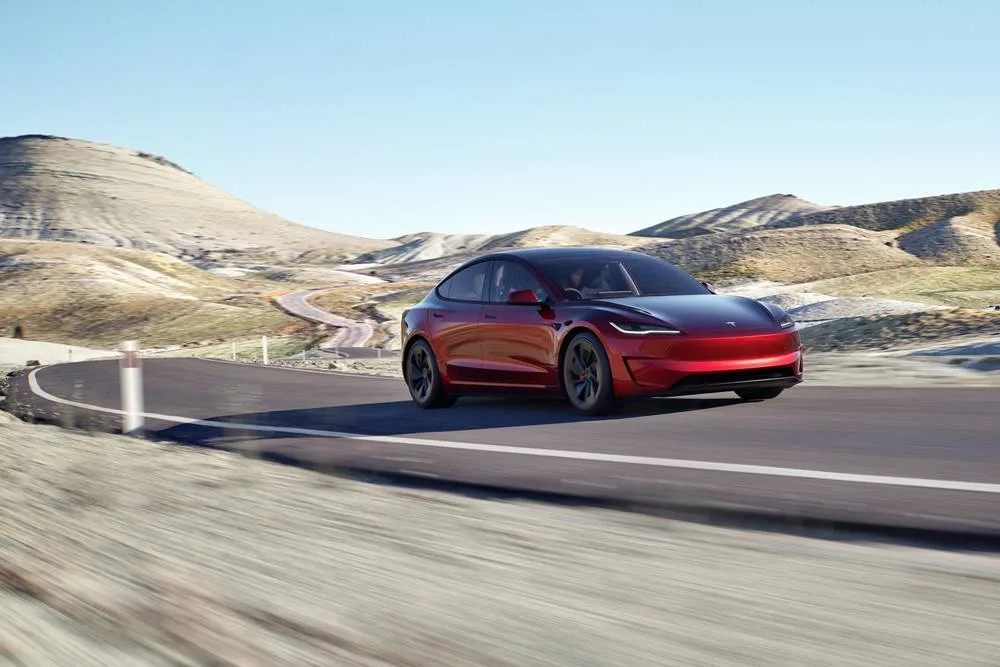

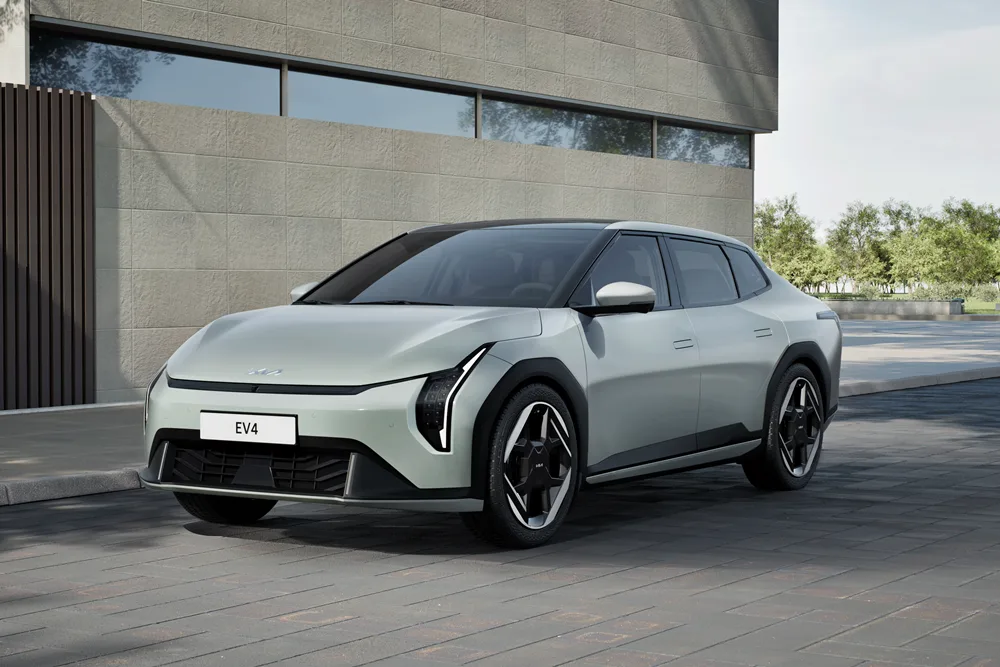

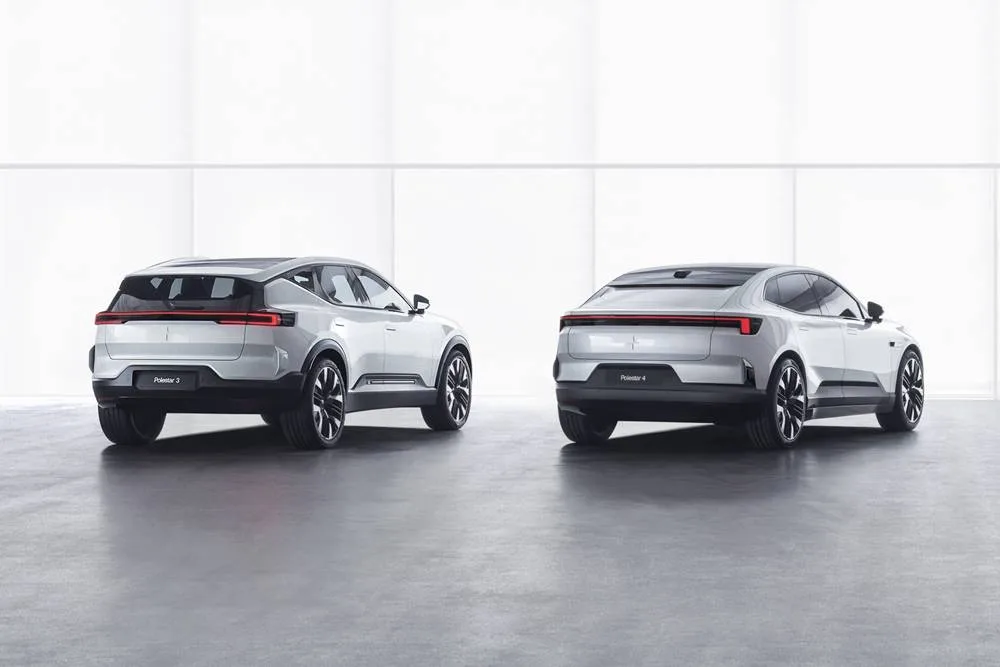
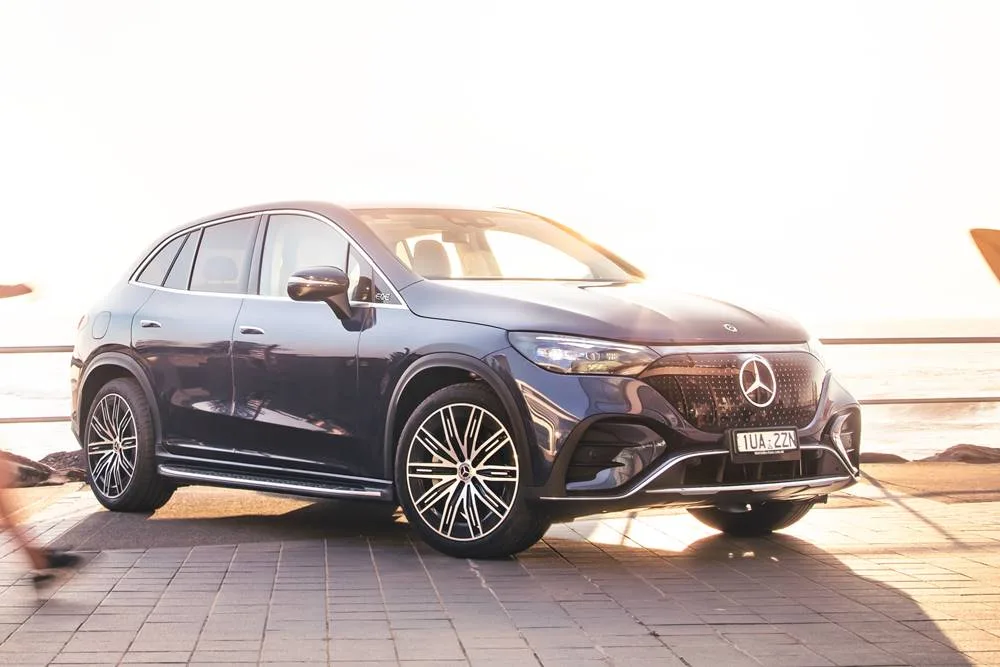
ABOVE: Brnads with EV and Hybrid offerings
However, the industry (FCAI members AKA car makers with no EVs) was increasingly concerned at the rate of total battery electric vehicle sales which recorded just 5.9 per cent of total sales, compared with 9.6 per cent in February 2024.
“We are now two months into the Government’s New Vehicle Efficiency Standard, and while the supply of battery electric vehicles has risen dramatically, consumer demand has fallen by 37 per cent this year compared with the first two months of 2024.
During the first 2 months of 2025, both Tesla and Polestar were reporting their sales/registrations to FCAI. This ceased in mid-2024. The 2 periods cannot be compared, with the results being misleading.
“We knew the supply of EVs would increase and there are now 88 models supplied to the Australian market. However, our grave concern has always been the rate of EV adoption and what assumptions the Government had made in its modelling around consumer demand for Evs in the NVES. This modelling remains secret.
The modelling is irrelevant.
The FCAI fees are based on the number of OEM sales, dominated by Toyota, Mazda, Ford, and the Hyundai group. While the latter is highly motivated in developing electric drivetrains, the Japanese brands have been almost completely disinterested in pure EVs, preferring hybrids instead. The FCAI’s EV stance seems to reflect the larger members’ product lines which are ICE (internal combustion engine) models with Hybrid options.
The easy part is to set aspirational targets but without consumers demanding EVs, the NVES will not succeed. It is time for the Government to consider the realities faced by consumers,” Mr Weber said.
The industry has been demanding New Vehicle Efficiency Standards to prevent Australia being a dumping ground for inefficient, outdated technology.
In other words, car makers were demanding standards to prevent them bringing in their own substandard products. The OEMs didn’t actually need NEVS in order not to flood Australia with second rate models, did they?
Importantly, the EU has long had emissions standards, currently Euro 6d. Euro 6d is also the standard adopted by Australia and is the reason many current ICE models will be discontinued. Finally, the EU has mandated an end date for ICE sales in 2035, with penalties starting soon then increasing as 2035 approaches. That does not mean there won’t be ICE vehicles available after that date, they just can’t be sold in the EU. Existing ICE vehicles won’t be illegal of course, but they may well be taxed out of existance.
“Consumers will not demand EVs if there is relentless propaganda against them,” said one insider.
Part of the “reality” faced by consumers is a rapidly deteriorating political environment caused by instability in the USA. The trade wars, started by an equally unstable president, will have a ripple effect though all industries.
Next, there has been a backlash against Tesla and its unstable figurehead, resulting in sudden and rapid decline in the brand’s hard-won esteem, sales, and share value. The developing stigma attached to Tesla models has affected resale values as well, as current owners scramble to divest themselves of a stranded asset. The Brand’s erratic spokesman is one of the largest shareholders, and his ultra-right-wing rhetoric offends the mainly-left-wing leanings of the green, well healed buyers. These buyers were the bulk of Tesla’s custom.
Also entering the market is a vast field of interesting new Chinese brands, most with EV models.
In short, the total Australian market for the first 2 months of 2025 is 181,797, 9.6% down from 194,805 last year. The latter included Tesla (6,772), and Polestar (264, with 2 new models since). With neither of those brands reporting sales in the first 2 months of 2025, the EV sales figures are indicative at best.
Finally, many of the cost-of-living pressures were predicted by climate scientists as far back as the 70’s. The media claims surrounding lithium, charging technology, and range anxiety is a smoke screen, nothing more than a misdirection aimed at prolonging the petro-chemical industry and the OEMs that currently rely on it.
Will any of it matter if the planet becomes uninhabitable?
Ponder this example: There is currently a cyclone heading for Brisbane, Australia. The city will experience its 5th major “1 in 100-year flood” in 50 years, following the years of unprecedented drought and fire danger. Climate science warned us about this scenario and we (aka vested interests) ignored it. We are now dealing with climate change earlier than predicted, yet vested interests are keen to make it worse.
Other GayCarBoys EV Stories:
- The Trouble with Electric Car Charging-Polestar 2
- 2022 Polestar 2 Dual Motor Review
- Polestar 2’s Android Google Operating System Top 10 Tips
- Polestar 2 VS Tesla Model 3
- Polestar 2 Where Its Google OS is Star-Trek-Meets-Car-Trek
- How Much and How Long to Charge My Polestar 2?
- We drive 2019 Jaguar I-Pace SE EV400 Electric car
- 2023 IONIQ5 Epiq VS 2023 Genesis GV70 Electrified IS ONE BETTER?
- 2021 Hyundai IONIQ 5 EV Review
- KIA’s EV6 is Finally Here: What a Cracker! FULL REVIEW
- 2021 KIA Niro EV, PHEV and Hybrid First Drive
- Hyundai NEXO Hydrogen Fuel Cell SUV REVIEW
- Is Hyundai’s Kona EV the Best Electric Car on the Market?t
- Audi E- Tron 50 Review PT 1: EV Myths BUSTED!
- 2021 Audi E-Tron 50 Sportback Review: PT 2 The Drive
- 2019 Jaguar I-Pace SE EV400 Driven and rated in GALSTON GORGE Australia Video Review
- Nissan LEAF 2019: All New EV Powers Your Home VIDEO REVIEW
- Hyundai’s 2019 Electric Ioniq: The cheapest EV In Australia?
- New Nissan Leaf Could Power Your Home for a Week
- Tesla Model 3 Colors and Price
- Charging My tesla Model 3
- Tesla Model 3 Full Review Inside, outside, and Roadtest
- Mini Cooper SE electric
- Karma Starts E-Flex Prototype Testing
- Is Karma Automotive’s New E-Flex Platform a Game Changer
SHORT Video Review: Lexus LC500 Convertible Roof operation. Mesmerising. Sorry about the rubbish background
@lexus, #lexuslc500convertible, #alanzurvas, #gaycarboys
#automobile #shorts #audietrongtrs #gaycarboys #alanzurvas ##shorts

Alan Zurvas is the founder and editor of Gay Car Boys, Australia's leading LGBTQI+ automotive publication. Before launching GCB in 2008, Alan's automotive writing was published in SameSame.com.au and the Star Observer. With over 16 years of hands-on car reviewing experience, Alan brings an honest, irreverent voice to every review — championing value and innovation over brand loyalty.
Leave a Reply