
Fleet operators have shown a taste for buying the cheapest van or truck they can. In some cases that means a lack of safety features and comfort, but the new fully featured LDV eDeliver 7 is 100% electric and has just been awarded a gold rating by ANCAP in its Commercial Van Safety Category.
ANCAP’s (Australasian New Car Assessment Program) Commercial Van Safety Category scored the eDeliver 7 77% noting it is well-equipped and has a range of active collision avoidance technologies fitted as standard.
eDeliver 7 put on a good show in autonomous emergency braking (AEB) Car-to-Car, AEB Car-to-Cyclist, and lane support, and adequate performance with detecting pedestrians through active emergency braking.
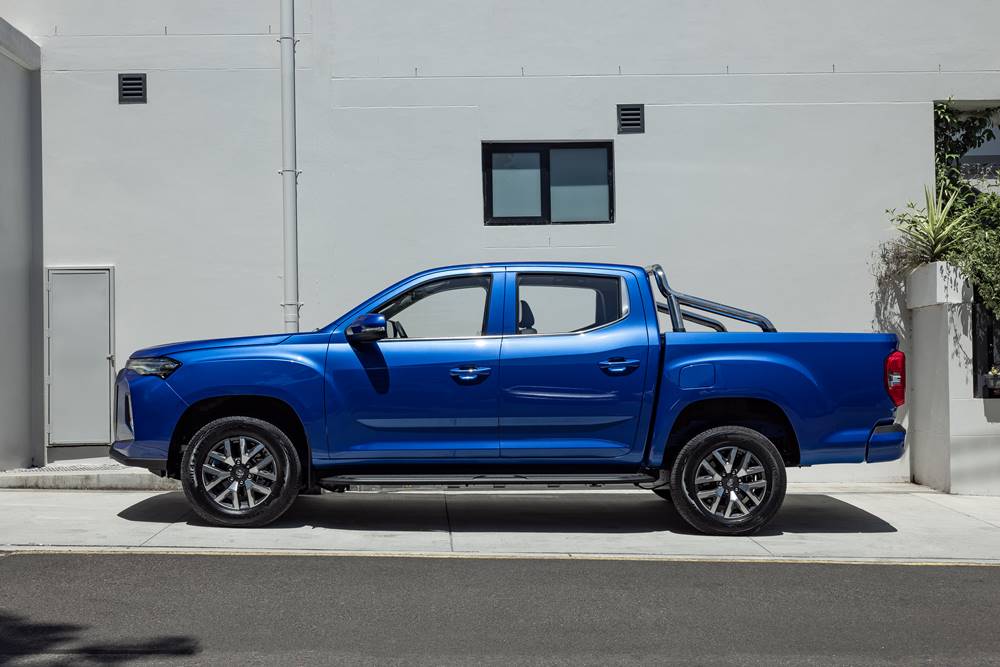
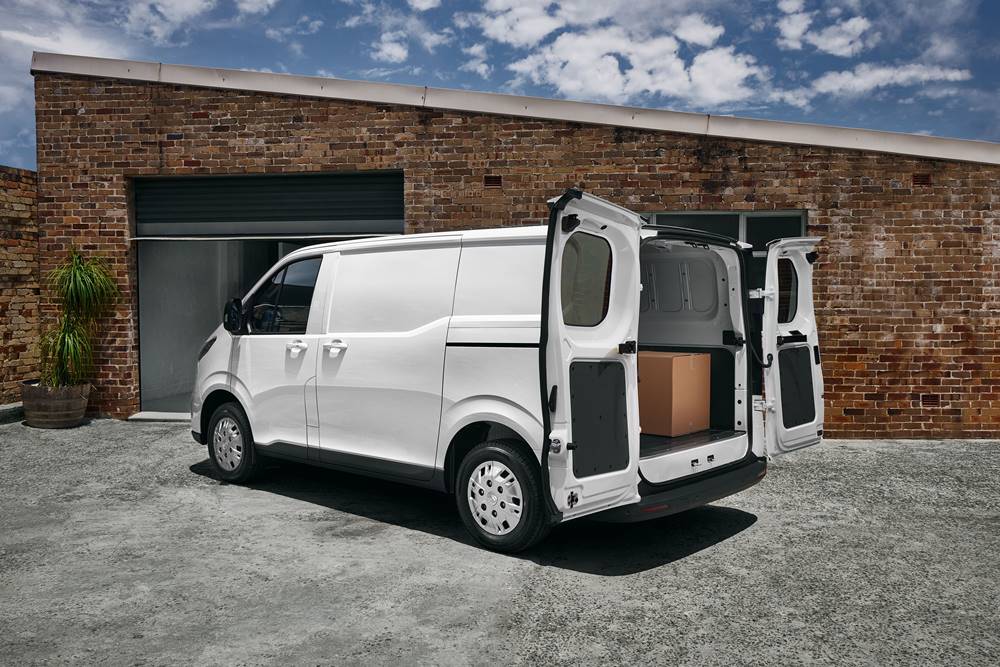

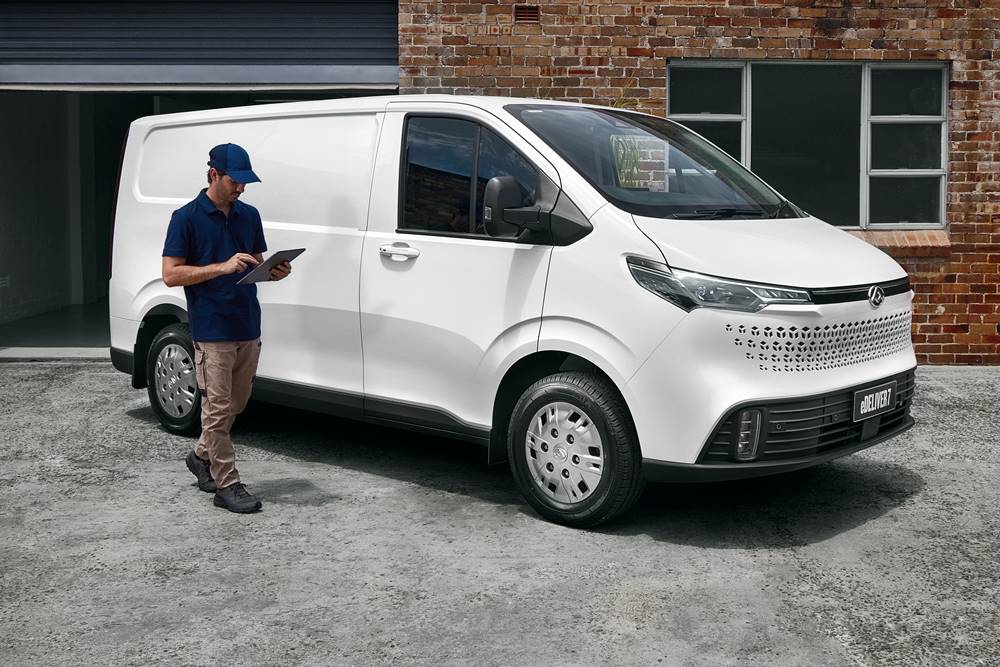
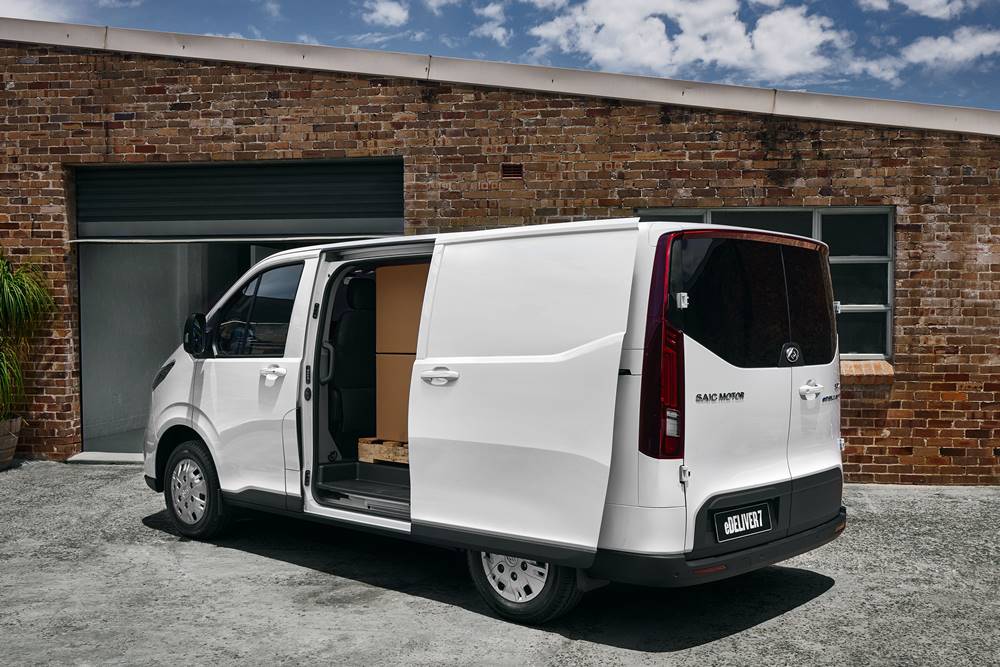

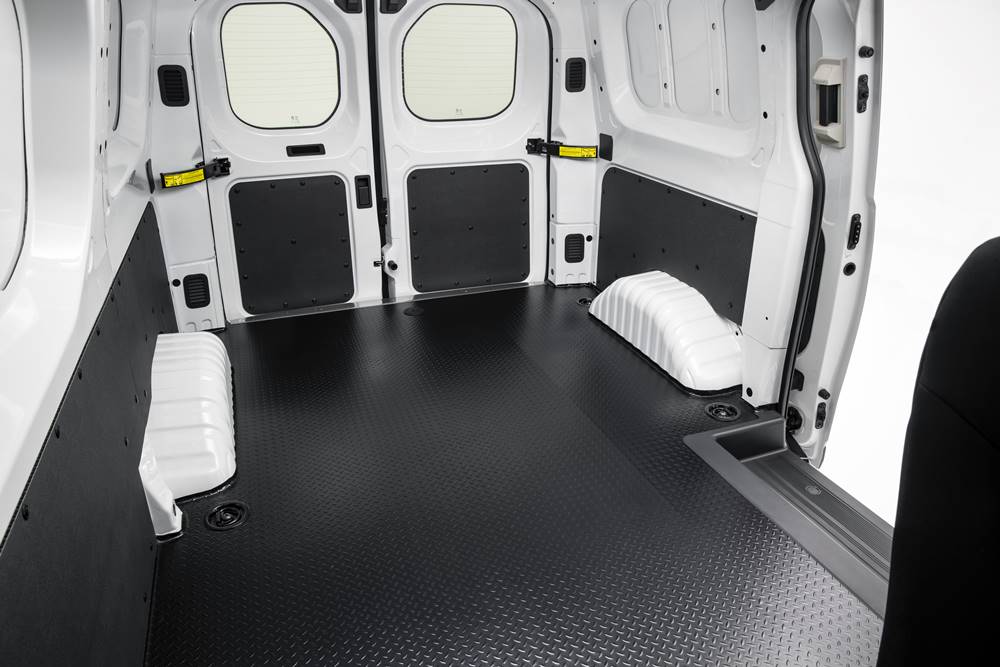
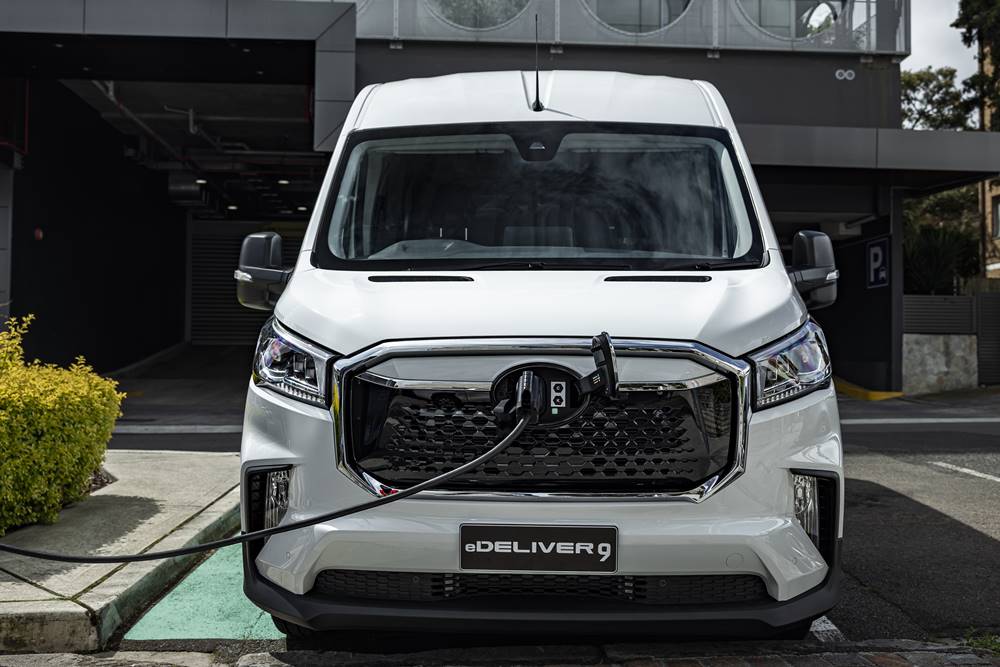
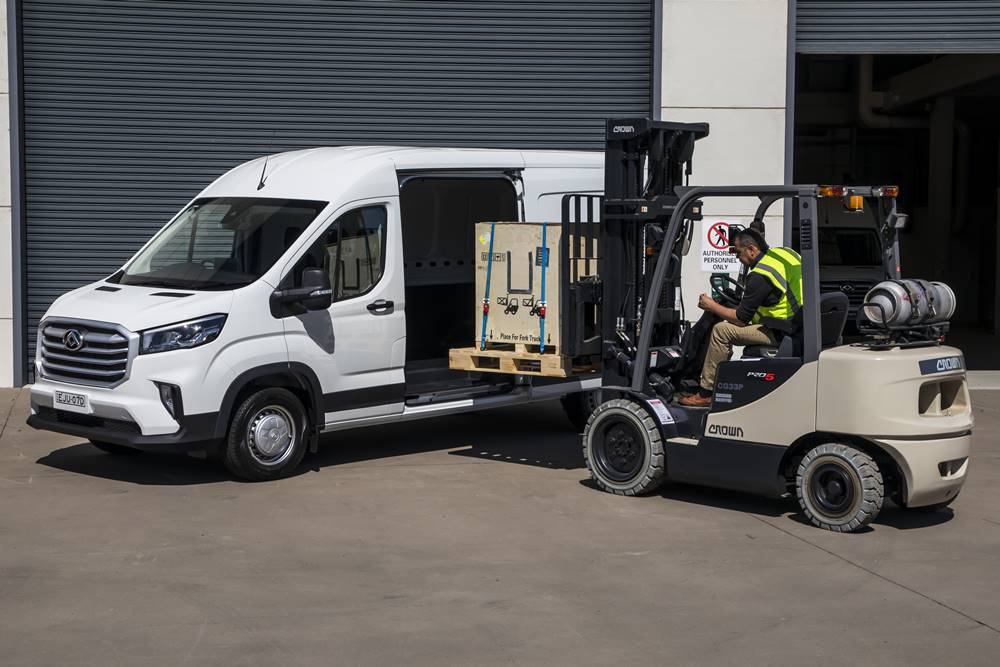
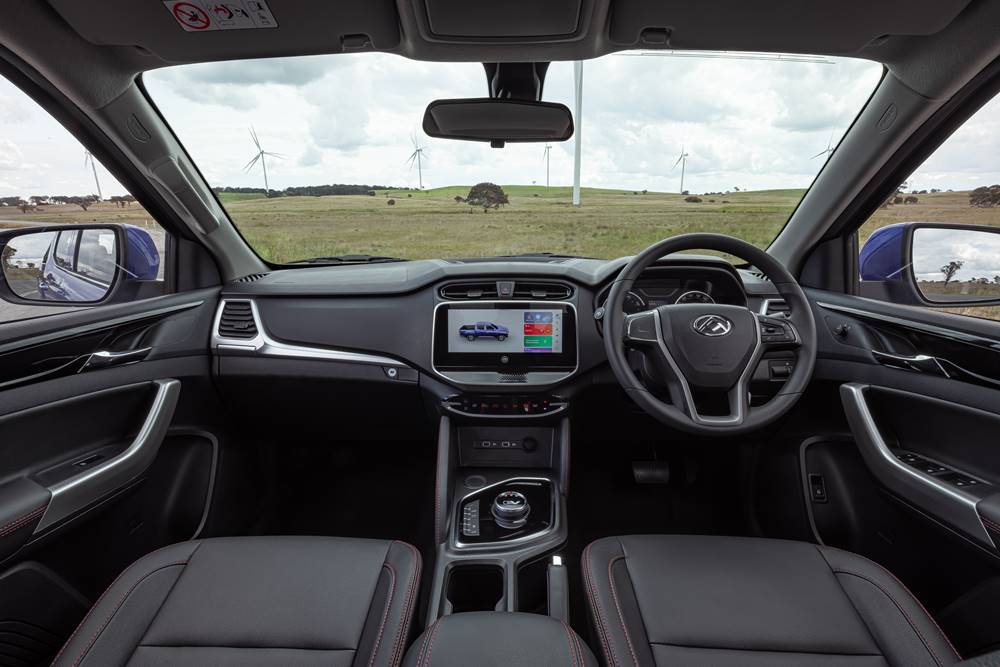
ABOVE: 2024 LDV electric vehicle range
Standard safety and driver assistance:
- Autonomous Emergency Braking
- Adaptive Cruise Control with Stop & Go
- Front Collision Warning
- Emergency Lane Keep Assist and Lane Change Assist
- Blind Spot Monitoring
- Front & Rear Parking Sensors
- Rear Cross Traffic Alert
“ANCAP is Australia and New Zealand’s independent voice on vehicle safety, so it is pleasing to see our latest electric commercial van perform strongly in these tests,” said Dinesh Chinnappa, General Manager of LDV Australia.
“As businesses look to build sustainable fleets, electric vehicles are required to provide safety, capability, comfort and value in a package that’s both commercially and economically viable – the fully-electric eDeliver 7 mid-size van does just that.”
The eDeliver 7 will appeal to SMEs, transport companies, and corporate fleets who have an environmental conscience. Like all EVs, it is quiet, has lower maintenance costs, 5.9-8.7m3 loadspace options, and considering it is an electric vehicles, is well priced.
“Vehicles are a workplace for many,” said ANCAP Chief Executive Officer, Carla Hoorweg. “With thousands of commercial vans sold in Australia and New Zealand each year, our Commercial Van Safety Comparison assists fleet buyers and business customers to make informed purchasing decisions.”
LDV’s electric vehicle range includes eDeliver 7, eDeliver 9 large van, the eT60 electric ute, and the MIFA 9 electric people mover.
The eDeliver 7 comes with a 318kms 77kWh or 362kms 88kWh battery as a short wheelbase low roof or long wheelbase low roof model. There is a long wheelbase high roof model which has the larger 88kWh battery as its only option.
The eDeliver 7 gives white vans a new look a front end less boring. The distinctive grille, with stylised boxes as a decorative fretwork, removes the ubiquity rampant in commercial vehicle design. There are dusk-sensing LEDs front and back, two-stage rear barn doors, and a sliding side door as expect in a delivery vehicle like this.
eDeliver 7s batteries are the result of a joint venture between SAIC and CATL, China’s largest battery maker.
The standard 77kWh take around 8hrs on an 11kW AC home charger to go from 5-100%, or 43mins to charge from 20-80% on a rapid DC charger at a Max of 70kw. The 88kWh battery takes around 9.3hrs to charge on an 11kW AC home charger (5-100%), but has a slightly higher DC rate of 90kw over the standard range vehicle. This allows a similar 43mins 20-80%.
eDeliver 7’s 150kW/330Nm electric motor drives the front wheels and comes with three power modes – Normal, Eco and Power. Eco mode has a maximum speed to 90km/h and allows the driver to use power when needed, and conserve when normal performance will do
Other features:
- heated steering wheel
- fully-adjustable driver’s seat
- keyless entry and start
- 3” touchscreen display with Apple CarPlay and Android Auto
- rear doors can be secured in place
- non-slip rubber flooring and multiple tie-down points in the cargo area
- Cargo volume from 5.9m3 to 8.7m3
- braked towing capacity of 1,500kg
Pricing for ABN holders
- $63,990 driveaway 77kWh SWB low roof
- $65,990 driveaway 77kWh LWB
- $68,490 driveaway 88kWh LWB low roof
- $69,990 driveaway 88kWh LWB high roof.
- Option: $1,393 Capped Price 6-year/90,000km Servicing programme
All LDV eDeliver 7 vans have a 5-year/160,000km warranty, 8-year/250,000km battery warranty, and 5-year/unlimited kilometres Roadside Assistance.
| Model | SWB Low Roof | LWB Low Roof | LWB Low Roof | LWB High Roof |
| Battery | 77kWh lithium-ion | 77kWh lithium-ion | 88kWh lithium-ion | 88kWh lithium-ion |
| Range (WLTP)* | Up to 318km | Up to 310km | Up to 362km | Up to 328km |
| Dimensions (L/W/H) | 4998 / 2323 / 1990 | 5364 / 2323 / 1990 | 5364 / 2323 / 1990 | 5364 / 2323 / 2390 |
| AC charging
(11kW)** |
Approx 8hrs
(5-100%) |
Approx 8hrs
(5-100%) |
Approx 9.3hrs
(5-100%) |
Approx 9.3hrs
(5-100%) |
| DC charging ** | Approx 43mins (20-80%) | Approx 43mins (20-80%) | Approx 43mins (20-80%) | Approx 43mins (20-80%) |
| DC charger capacity | 78kW | 78kW | 90kW | 90kW |
| Load volume | 5.9m3 | 6.7m3 | 6.7m3 | 8.7m3 |
| Pay load | 1,350kg | 1,285kg | 1,205kg | 1,175kg |
| Max power | 150kW | 150kW | 150kW | 150kW |
| Max torque | 330Nm | 330Nm | 330Nm | 330Nm |
| Drive | Front-wheel drive | Front-wheel drive | Front-wheel drive | Front-wheel drive |
| ABN driveaway price | $63,990 | $65,990 | $68,490 | $69,990 |
| Warranty# | 5yrs/160,000kms, whichever comes first, (vehicle); 8yrs/250,000km, whichever comes first, (battery) | 5yrs/160,000kms, whichever comes first, (vehicle); 8yrs/250,000km, whichever comes first, (battery) | 5yrs/160,000kms, whichever comes first, (vehicle); 8yrs/250,000km, whichever comes first, (battery) | 5yrs/160,000kms, whichever comes first, (vehicle); 8yrs/250,000km, whichever comes first, (battery) |
| Servicing intervals | 2-years/30,000km (whichever comes first) | 2-years/30,000km
(whichever comes first) |
2-years/30,000km
(whichever comes first) |
2-years/30,000km
(whichever comes first) |
Other GayCarBoys EV Stories:
- The Trouble with Electric Car Charging-Polestar 2
- 2022 Polestar 2 Dual Motor Review
- Polestar 2’s Android Google Operating System Top 10 Tips
- Polestar 2 VS Tesla Model 3
- Polestar 2 Where Its Google OS is Star-Trek-Meets-Car-Trek
- How Much and How Long to Charge My Polestar 2?
- We drive 2019 Jaguar I-Pace SE EV400 Electric car
- 2023 IONIQ5 Epiq VS 2023 Genesis GV70 Electrified IS ONE BETTER?
- 2021 Hyundai IONIQ 5 EV Review
- KIA’s EV6 is Finally Here: What a Cracker! FULL REVIEW
- 2021 KIA Niro EV, PHEV and Hybrid First Drive
- Hyundai NEXO Hydrogen Fuel Cell SUV REVIEW
- Is Hyundai’s Kona EV the Best Electric Car on the Market?t
- Audi E- Tron 50 Review PT 1: EV Myths BUSTED!
- 2021 Audi E-Tron 50 Sportback Review: PT 2 The Drive
- 2019 Jaguar I-Pace SE EV400 Driven and rated in GALSTON GORGE Australia Video Review
- Nissan LEAF 2019: All New EV Powers Your Home VIDEO REVIEW
- Hyundai’s 2019 Electric Ioniq: The cheapest EV In Australia?
- New Nissan Leaf Could Power Your Home for a Week
- Tesla Model 3 Colors and Price
- Charging My tesla Model 3
- Tesla Model 3 Full Review Inside, outside, and Roadtest
- Mini Cooper SE electric
- Karma Starts E-Flex Prototype Testing
- Is Karma Automotive’s New E-Flex Platform a Game Changer
- Is Mercedes Benz EQB 350 a Missed Opportunity?
Above: This Week’s VIDEO Car Review – 2024 Audi RS E-Tron GT Review MY NEW FAVOURITE CAR, HERE’S WHY
#alanzurvas, #gaycarboys, #audiAustralia, @audi, #gayaudi, #2024AudiRSeTronGT
Video Review: UNBOXING VALUE FitcamX OEM Style Dashcam #fitcamx #alanzurvas, #gaycarboys
What about some HOT RACING DRIVERS. Gay? Or just plain gorgeous?
SHORT Video Review: Audi e-Tron GT RS Quick Look – Light Show
#automobile #shorts #audietrongtrs #gaycarboys #alanzurvas ##shorts
Discover more from Gay Car Boys
Subscribe to get the latest posts sent to your email.





Leave a Reply