

A Plug-in Hybrid (PHEV) drivetrain is a form of modified hybrid petrol/electric drive.
It is a further step along the road to electrictrification, half way between being a regular hybrid, and a car that runs only on batteries. PHEVs plug in to the wall, usually charging at a slow rates, to provide an average pure-EV range of up to 80-100km depending on the brand.
Think of a PHEV as 2 vehicles in 1, a hybrid, and an electric vehicle.
What Happens if you don’t plug it in?
The PHEV will run like a regular hybrid.
Here is where the difference between a PHEV and HEV (hybrid-electric vehicle) kicks in. A hybrid will only charge its battery as you drive. It stores energy saved in braking and cruising, then uses it to help the petrol engine, or in some cases, to run for very short periods in pure-ev mode.
An EV only charges by being plugged in, so the EV part of the PHEV will only charge from a wall charger, and never between shall meet.
What are the advantages of a PHEV?
If you travel less than the pure EV range, and can plug in every night, you could theoretically run most of the time as an EV. From time to time, the full system kicks in to provide additional power such as that required for heavy acceleration.
What’s the downside of a PHEV?
They cost more than a regular hybrid (HEV), and they take a very long time to charge. If you never plug in, you’re paying to carry around a heavy battery you don’t use. Most PHEV owners have said they rarely plug in to take advantage of the EV range anyway.
This Week Review: 2022 LEXUS LC500 Convertible – Full Gaycarboys REVIEW
Help Support Gay Car Boys Subscribe to our Youtube Channel
- Top GayCarBoys Stories:
- Sexy Men Drive 2021 Toyota Yaris Cross
- 10 Sexiest MotoGP Motorcycle Riders
- DON’T Drive YOUR CAR until you’ve Checked if your AIRBAG will KILL YOU
- 10 Hottest Racing Drivers
- Top 12 Best Gay Lesbian LGBTI Luxury Cars
- Top 10 Gay Lesbian LGBT Cars
- Top 10 Gay Lesbian LGBT Sports Cars
- Top 15 gay and lesbian LGBT SUVs
- Talented Twinks – Callum Ilott Virtually Races Arthur Leclerc

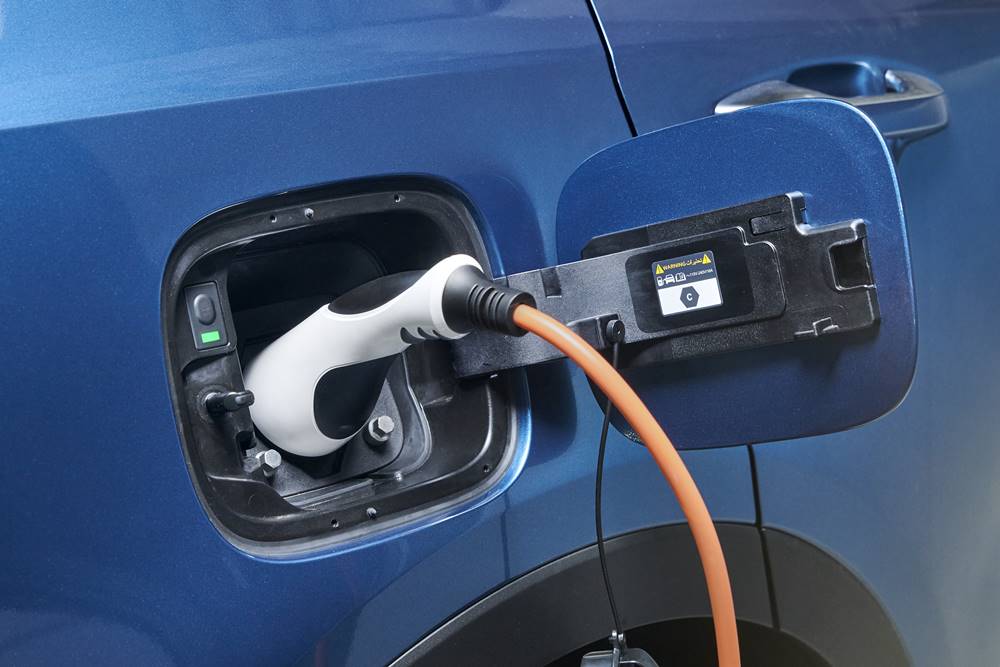


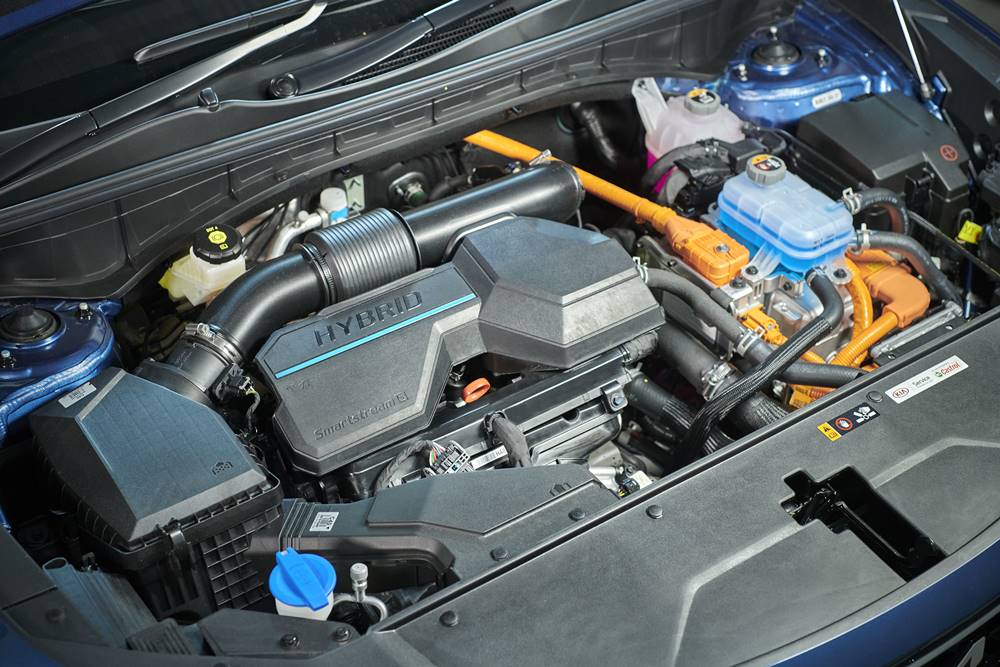
ABOVE: Kia Sorento PHEV
Who Should Buy a PHEV?
A PHEV suits someone who drives less than 60 to 100 km a day, and can plug into a socket when they get home. Public outlets can be used, but you have to be prepared to wait about the place for a while.
It gives the owner the option to travel longer distances when needed. You could, for example, spend the week days in EV-only mode, taking advantage of the hybrid to extend your range on the weekends and holidays.
Some say it is better than an EV because of the option to use petrol for long trips. Currently, EV charging is hit and miss, even at the best of times.
Who Shouldn’t Buy a PHEV?
If you live in an apartment with no ability to charge at home, this is probably not the car for you.
What’s an Example of a PHEV?
Let’s take the Range Rover PHEV as an example:
It can travel up to 125km in EV mode, and will charge to 100% at home in 5 hours using an AC 7kw charger. A 50kw public station will take an hour to charge to 80%.
Continued “fast” charging shortens the life of most EV batteries, so most manufacturers suggest AC charging to be used more frequently than DC charging.
KIA recently launched their new Niro range, opting not to bring the PHEV to our shores despite it being available elsewhere. They cited slow PHEV sales as the main reason for their decision.
Other GayCarBoys EV Stories:
- The Trouble with Electric Car Charging-Polestar 2
- 2022 Polestar 2 Dual Motor Review
- Polestar 2’s Android Google Operating System Top 10 Tips
- Polestar 2 VS Tesla Model 3
- Polestar 2 Where Its Google OS is Star-Trek-Meets-Car-Trek
- How Much and How Long to Charge My Polestar 2?
- We drive 2019 Jaguar I-Pace SE EV400 Electric car
- 2021 Hyundai IONIQ 5 EV Review
- KIA’s EV6 is Finally Here: What a Cracker! FULL REVIEW
- 2021 KIA Niro EV, PHEV and Hybrid First Drive
- Hyundai NEXO Hydrogen Fuel Cell SUV REVIEW
- Is Hyundai’s Kona EV the Best Electric Car on the Market?t
- Audi E- Tron 50 Review PT 1: EV Myths BUSTED!
- 2021 Audi E-Tron 50 Sportback Review: PT 2 The Drive
- 2019 Jaguar I-Pace SE EV400 Driven and rated in GALSTON GORGE Australia Video Review
- Nissan LEAF 2019: All New EV Powers Your Home VIDEO REVIEW
- Hyundai’s 2019 Electric Ioniq: The cheapest EV In Australia?
- New Nissan Leaf Could Power Your Home for a Week
- Tesla Model 3 Colors and Price
- Charging My tesla Model 3
- Tesla Model 3 Full Review Inside, outisde, and Roadtest
- Mini Cooper SE electric
- Karma Starts E-Flex Prototype Testing
- Is Karma Automotive’s New E-Flex Platform a Game Changer
Discover more from Gay Car Boys
Subscribe to get the latest posts sent to your email.
















Leave a Reply