

Can Car Infotainment Systems be Dangerous?
David and I have long said that the distractions in modern vehicles represent a danger, none more so than the infotainment system.
Listen to our FULL radio chat about it HERE
Systems that allow voice control offer a slightly better range of interaction and that is why Apple CarPlay and Android Auto are such a game changer. In some newer models, one or both are now wireless, without the need for a USB cable. Hopefully you’ll also have a wireless Qi charger otherwise the app drains the battery fast.
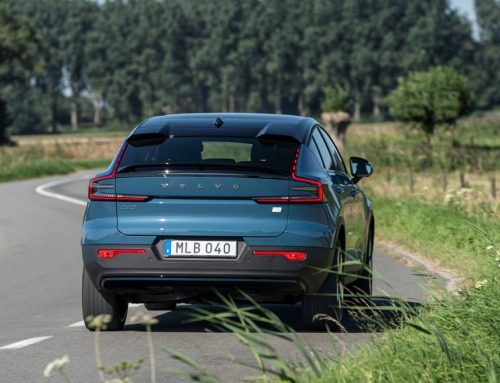
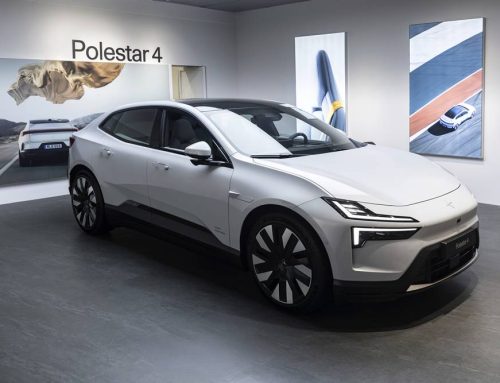
Top recommendations go to Volvo and Polestar for their Google Automotive OS, as distinct from Android Auto of course.
The Google system replaces all traditional vehicle systems to control settings and functions. Normally that would spell disaster. Other manufacturers such as Volkswagen, Peugeot, Citroen, and famously, Tesla, did exactly that. Tesla took it a step further, leaving only window buttons, indicators, and the gear lever as stand-alone controls. Even the glove box needs a menu. Although Tesla has voice control, it is patchy at best. Making it worse in Model Y and Model 3, is the absence of a driver display. The centre console screen has a small section dedicated to drive data, but it is useless.
Video Review: 2023 Honda Civic LX Hatch – Honda’s Best Cart in a DECADE! – Full Review – FULL Review #gaycarboys
1 Minute Video Review: 2023 Honda Civic VTi LX #SHORT Review #yakandah
Help Support Gay Car Boys Subscribe to our Youtube Channel
- Top GayCarBoys Stories:
- Sexy Men Drive 2021 Toyota Yaris Cross
- 10 Sexiest MotoGP Motorcycle Riders
- DON’T Drive YOUR CAR until you’ve Checked if your AIRBAG will KILL YOU
- 10 Hottest Racing Drivers
- Top 12 Best Gay Lesbian LGBTI Luxury Cars
- Top 10 Gay Lesbian LGBT Cars
- Top 10 Gay Lesbian LGBT Sports Cars
- Top 15 gay and lesbian LGBT SUVs
- Talented Twinks – Callum Ilott Virtually Races Arthur Leclerc


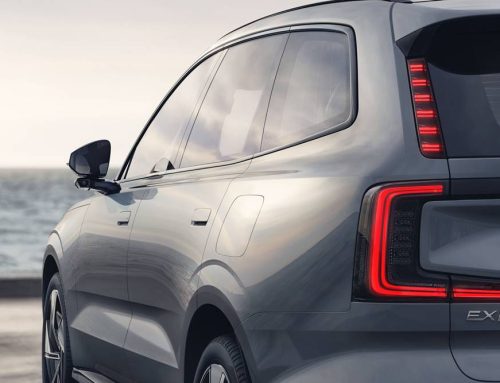
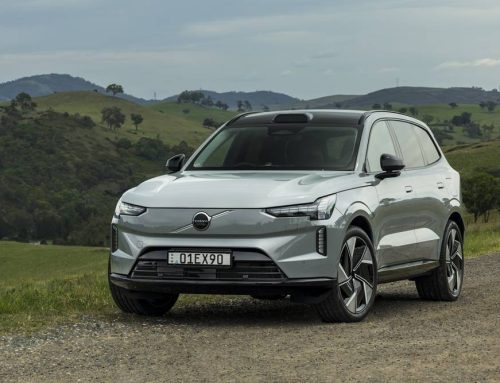
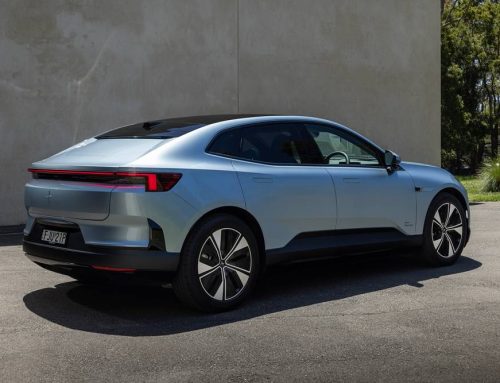
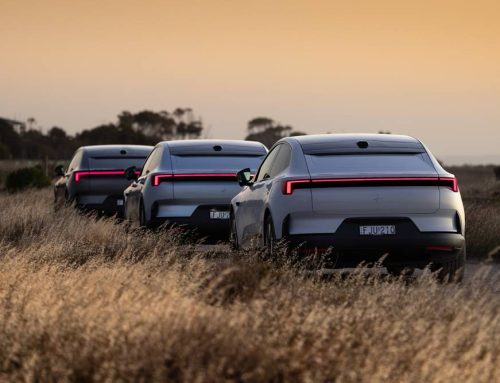
ABOVE: Volvo and Polestar
On older cars, driver muscle memory could direct fingers to radio and volume buttons just as feet and hands were used to change gears in a manual. You didn’t have to think about it, it was automatic, so to speak. BMW started the craze with its first i-Drive more than 20 years ago. It was diabolical, operated by a twist knob on the console. The driver had to co-ordinate moving the toggle while watching the screen. It has improved since, and the screens now have a touch function. LEXUS was even worse, with a touch pad instead of a toggle.
in the late 90’s, buttons were aplenty. The Holden Cascada had 45 buttons on the centre stack and steering wheel. That had taken things too far.
Some brands have tried gesture control, but a physical button would be easier, certainly more accurate.
That brings us back to Google, and its ability to run the system familiar to anyone with a smart phone. Swipes enable entry to icons, or in the case of climate control, direct access to a screen imitating physical controls.
The clever mix of voice and touch encourages a passenger to operate and explore, and in the case of voice, can be done from any seat. The system is clever enough to know which of the front passengers is speaking, and although we haven’t tried it from the back, but there is no reason why it wouldn’t work. Background noise is an issue, so shaddup.
As clever as all of the modern systems are, it is as dangerous to operate a touch screen while driving, as it is to use a phone. Only full voice control will ever change that.
Google also integrates with home automation, another big plus for those who have setup a smart home.
Meanwhile, anyone with Apple CarPlay/Android Auto is able to use full handsfree with no need for a button. Try saying, “hey Siri, send a text to…” and remember to also say, “full stop, period, question mark, or exclamation mark,” otherwise you end up with a single long sentence. We’ve had no luck with handsfree emoji use, but no doubt that will come.
Give it a try next time you’re in the car. It will save many thousands on dollars, and many points on a licence.
More Volvo and Polestar
- The Volvo C40 Story: A Swedish Happy Ending – Full Review
- 2022 Volvo XC40 Recharge Pure Electric SUV REVIEW
- 2022 Volvo XC90 Recharge Plug-In Hybrid Review
- 2022 Volvo CX 60 B6 AWD Mild Hybrid Review: Better than Good
- Volvo to Build new EV Battery Plant in Gothenburg, Sweden
- Volvo Claims Fastest Growing Luxury Brand
- Volvo launches XC40 Recharge Pure Electric, Single Motor SUV.
- Volvo to Buy Geely’s Share in Chinese Plant
- Volvo S90 -Used Executive Car of the Year UK
- Clever Volvo Key Restricts Speed
- Is Volvo XC40 Recharge Hybrid a Real Viking?
- Polestar Rolls Out OTA Updates for Polestar 2 Models
- 2022 Polestar 2 Dual Motor Review
- Polestar 2’s Android Google Operating System Top 10 Tips
- Polestar 2 VS Tesla Model 3
- Polestar 2 Where Its Google OS is Star-Trek-Meets-Car-Trek
- How Much and How Long to Charge My Polestar 2?
Polestar, volvo, google automotive OS, favourite gay cars
#Polestar, #volvo, #googleautomotiveOS, #favouritegaycars








Leave a Reply