When Volvo was snatched up by Geely, I was bereft. When Polestar split from Volvo, I was bereft. I need not have stared soporifically into my soup, the result has been stunning. Polestar 2 has become almost ubiquitous, seeming to be everywhere you look. Polestar 3 takes those lessons, and the student becomes the master.
Polestar Australia chose Tasmania’s rugged east coast, in all its gloriously brooding beauty, to launch Polestar 3 large SUV. The moody vistas switche between the bucolic bliss of gentle rolling hills, to the atmospheric grandeur of ancient wooded valleys, to misty stone shorelines dotted with boat houses. One moment the sun is shining only to be lashed by squalls moments later.
The trip began with an overnight stay in an old converted grain silo in Launceston, went on to Piermont, a large rural property dotted with cottages, then on to the state capital, Hobart. You can read about the drive in our FULL REVIEW on Wednesday.
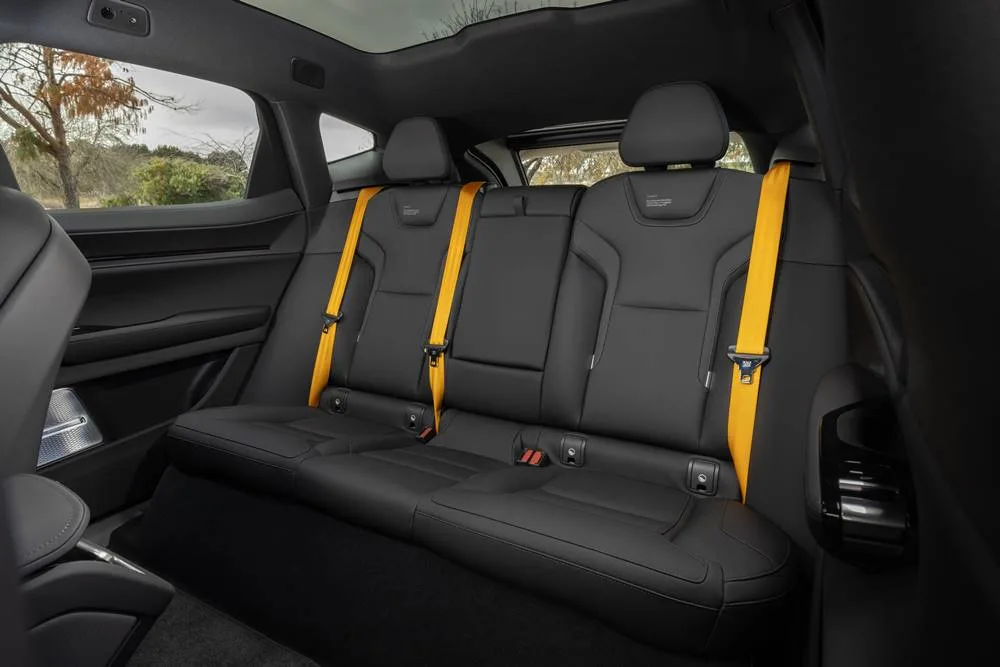
Polestar 3 is a large SUV masquerading as a small hatch. Charismatic designer, Nahum Escobedo, removed anything that wasn’t needed, including all that silly head height nonsense. There is a ballroom inside, making full use of the capacious 2985mm wheelbase. The Scalable Product Architecture 2 (SPA2) platform allows a canny designer to shift the wheels fore and aft, fitting into the 4900mm length to use most of the room for people. Rear legroom is astounding, and lowering the roof hasn’t affected 201mm worth of ground clearance, bettering many SUVs by a considerable margin.
The crowning glory of the front end is the elegant wing which sits atop the bonnet but is concealed as a genius piece of automotive architecture. It swoops across the façade and up over each headlight and apart from looking great, is completely functional. Although the LED headlights are called “twin blade” lights, they have kept the spirit of Thor’s Hammer from the Polestar 2 as a nod to the magnificent Scandinavian gods. Annoy them at your peril, though I suspect Thor is mighty pleased with the thumping performance, even in the non-performance model.
QUICK FACTS: Polestar 3 quick facts
Above: This Week’s VIDEO Car Review – 2025 Hyundai Santa Fe Calligraphy Alan Zurvas REVIEW At The Farm
@hyundai, #2025hundaisantafecalligraphy, #gaycampers, #gayhyundai, #alanzurvas, #gaycarboys





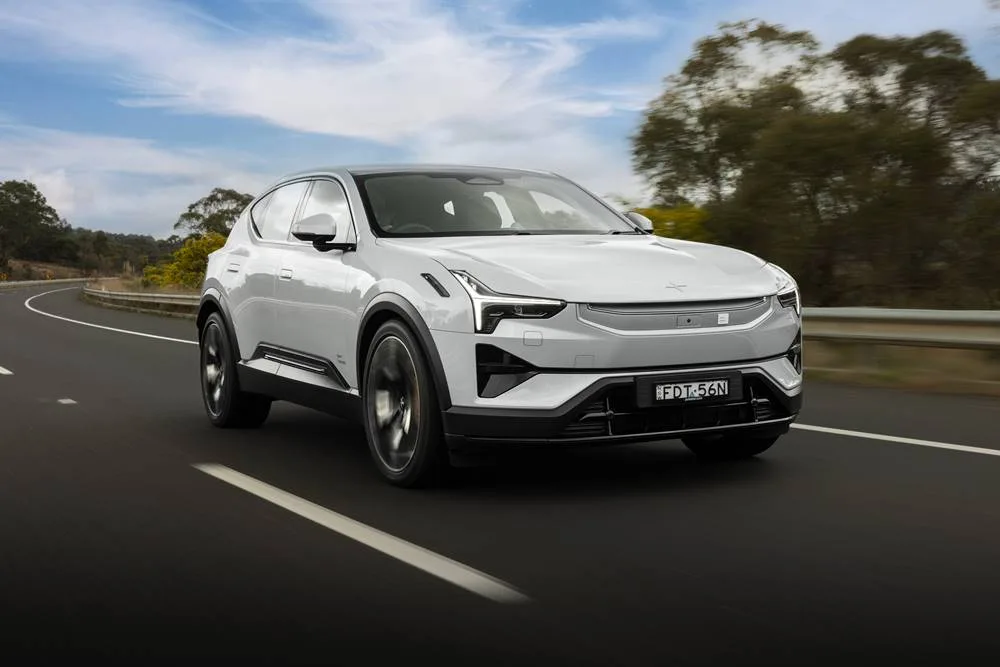
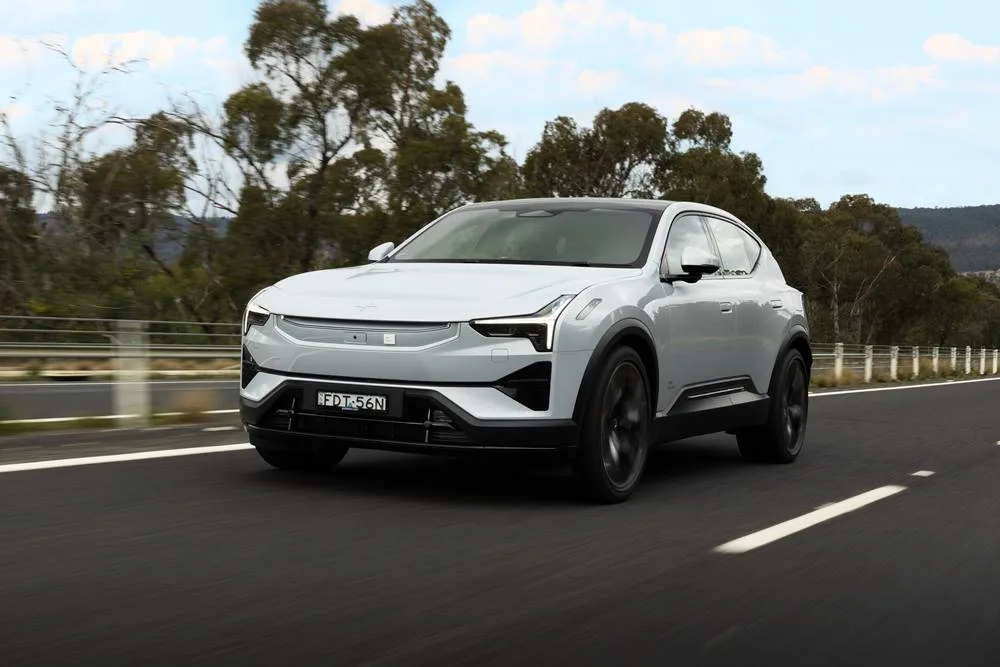
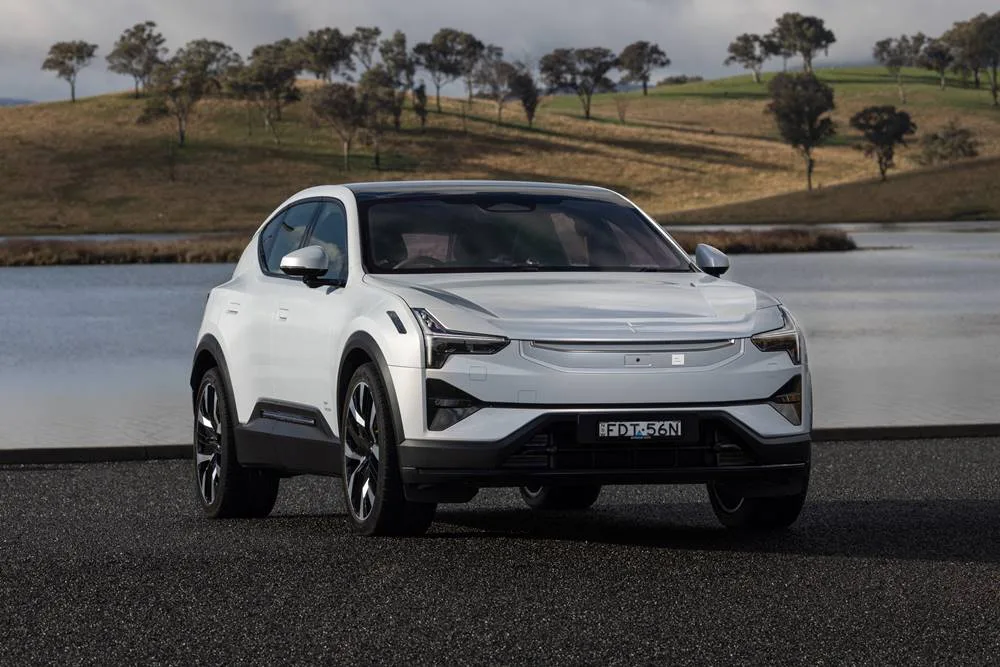
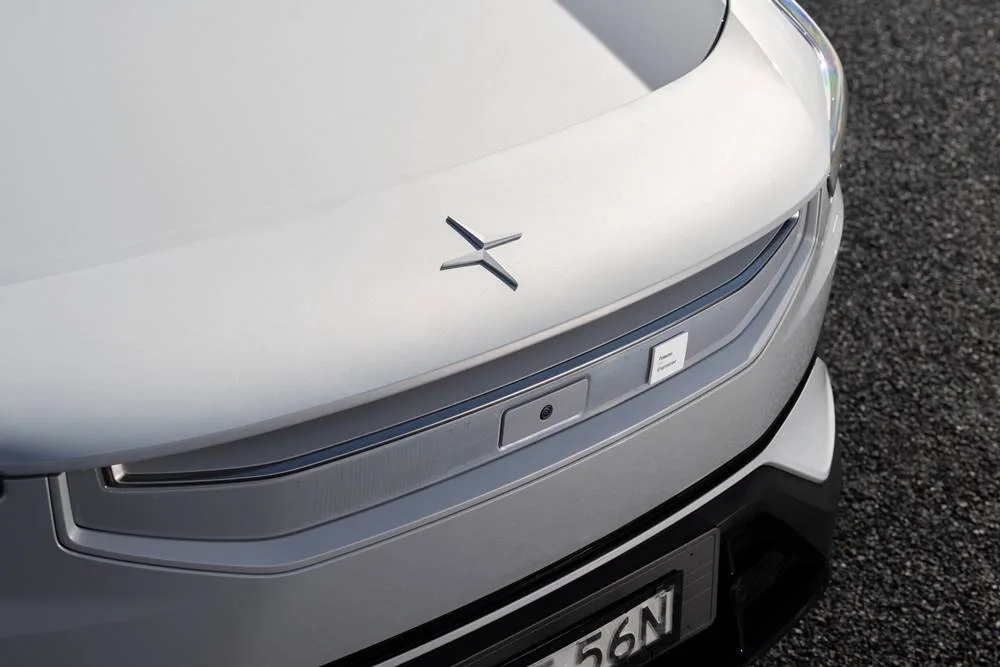
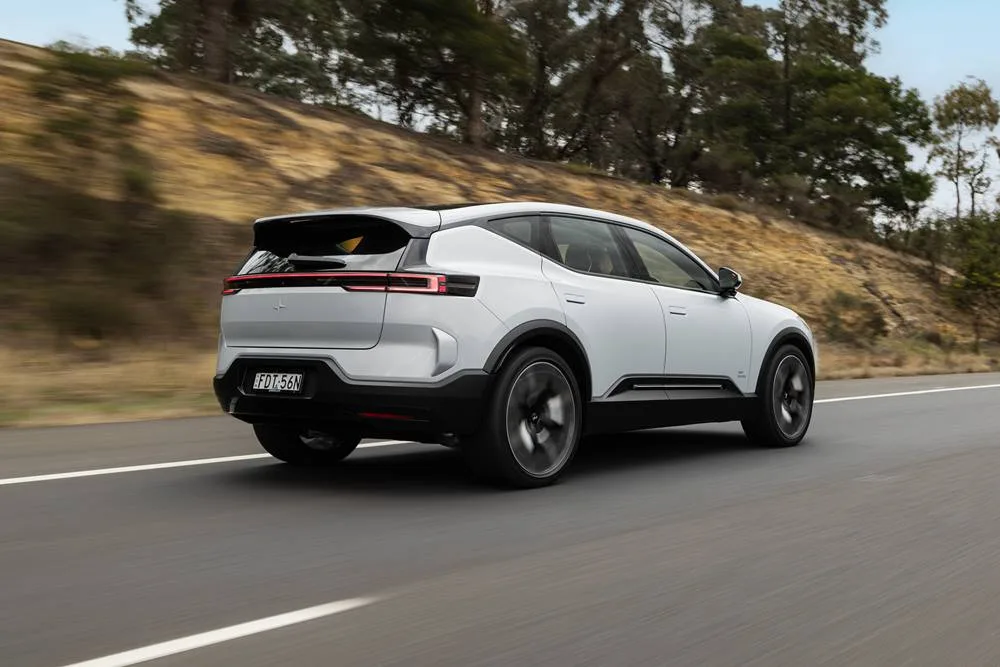
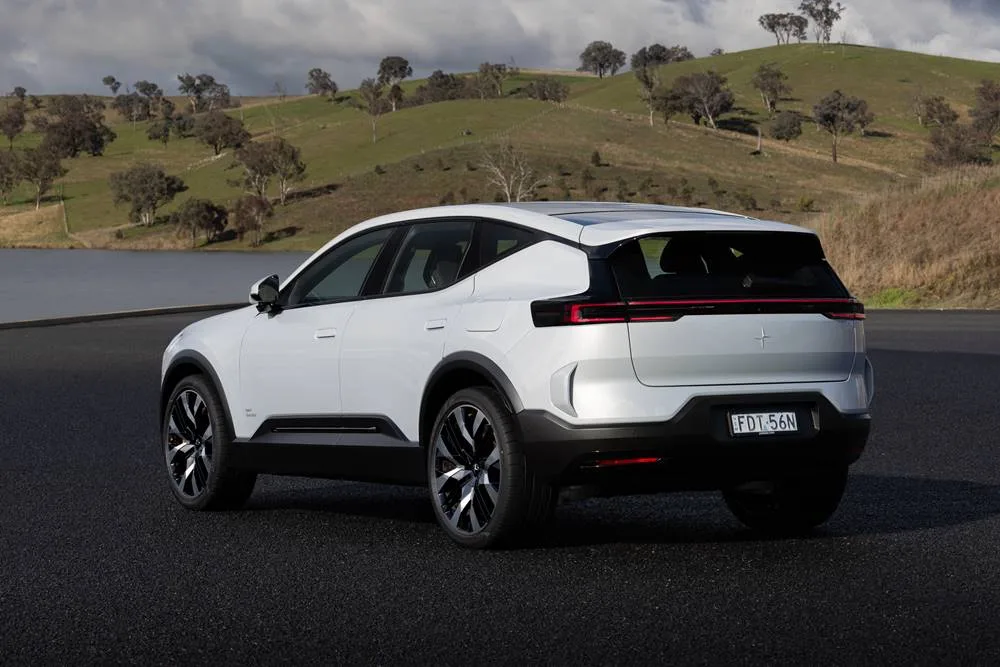

ABOVE: 2024 Polestar 3
Polestar is almost unique in that there are decals explaining technical details of power and battery pdata, and a badge defining the front sensor area. Far from hiding their technology, Polestar shouts it in big blousy letters.
Both the standard AWD and performance AWD models share a CATL 111kwh 400V lithium-ion battery, and 250w max DC charging. Polestar chiefs joined us via ZOOM from Gothenburg, Polestar’s Swedish HQ. When asked about whether the performance upgrades were mainly due to hardware or software, they admitted software was the biggest contributor. Just as Polestar 2 got performance increases via Over The Air updates, Polestar 3 can too.
Apart from the subtle trim and hardware changes in the Performance Pack, the main difference in the 360kw/840Nm in the standard dual motor long range, and the addition of the Performance pack’s 380kw/910Nm, is programming.
Self-adjusting air suspension is standard with double wishbones at the front and integral links at the rear with ZF active dampers.
Wheels are 21” which increase to 22” with the performance pack, and it is worth noting that the respective pricing of $132,900 and 141,900 includes both Pilot and Plus Packs for the AWD Launch Editions. For RWD announcement, see full launch review Wednesday at 5pm.
Those packs include:
- 25-speaker audio system from Bowers & Wilkins with 3D surround sound and Dolby Atmos
- soft-closing doors
- a head-up display
- Pilot Assist.
The Pilot Pack with LiDAR from Luminar (delivery 2025) adds an additional control unit from NVIDIA, three cameras, four ultrasonic sensors and cleaning for the front- and rear-view cameras, providing accurate real-time data about the car’s surroundings especially in the long-range field. This enables enhanced 3D scanning of the car’s surroundings in greater detail and helps prepare the car for autonomous driving.
The Cabin:
The helt underbara interior (use your Swedish translator) is as elegant as it is luxurious and efficient.
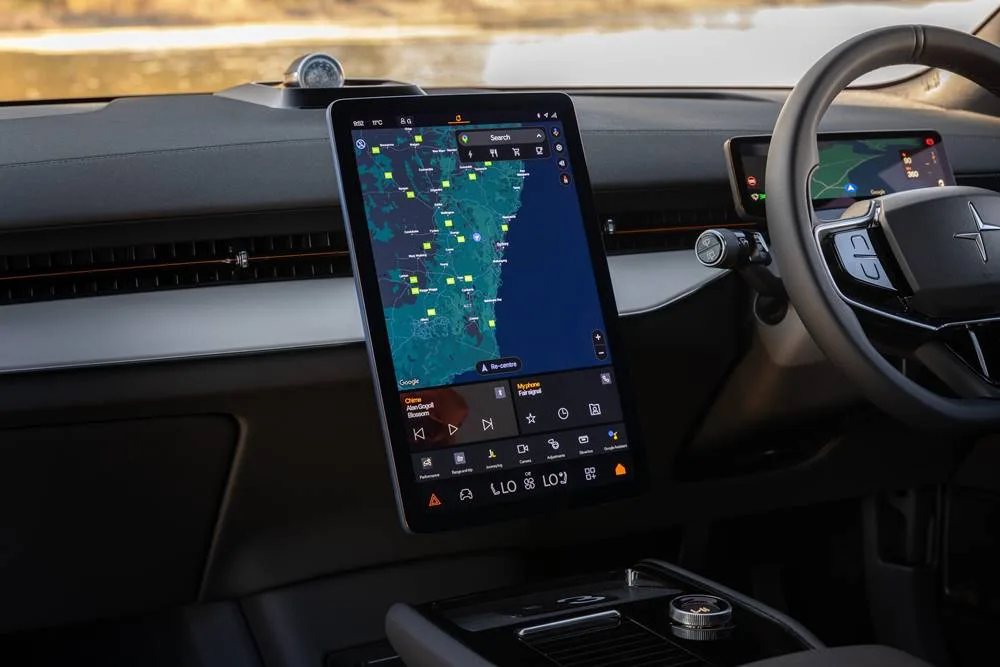
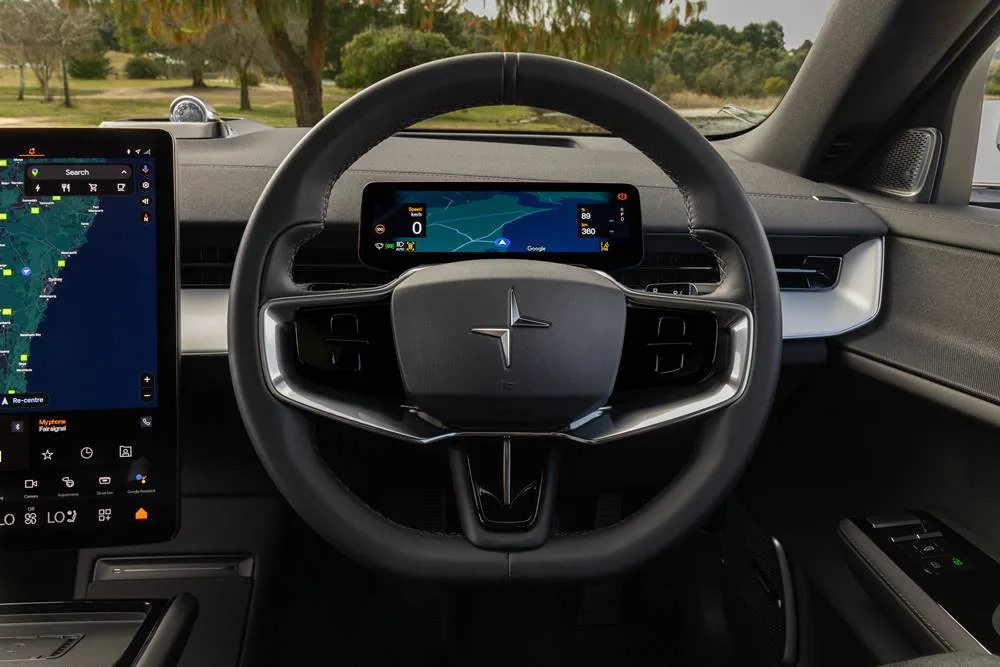
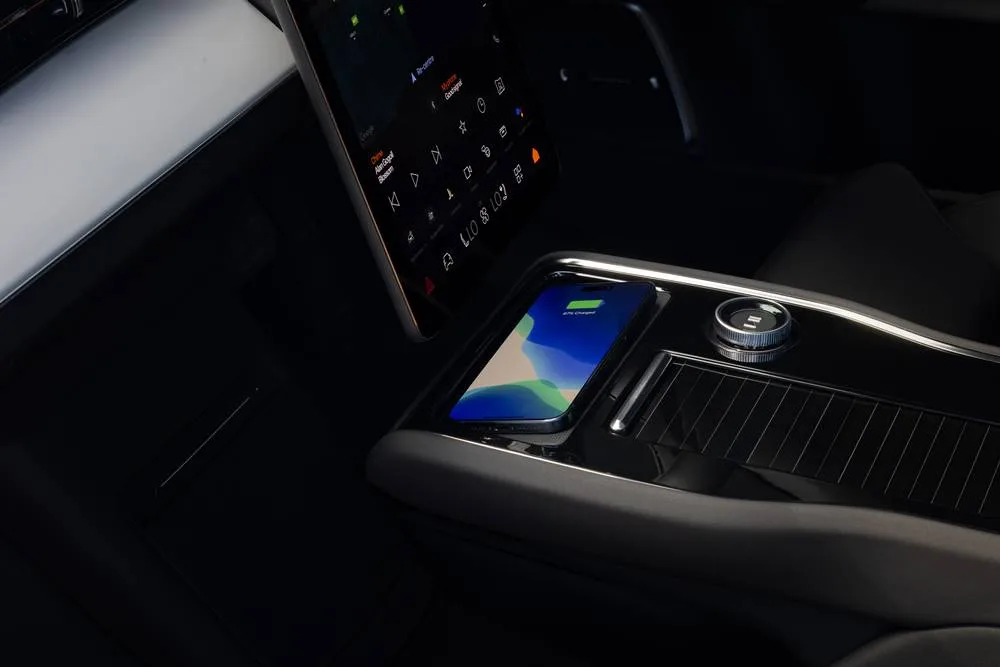
Designers removed rarely used buttons, many of which we’d rather they put back. Seats, mirrors, and climate are all controlled from the 14.5” UX screen (that’s user Experience to you and me). Although the seat has a huge knob, it controls seatback and cushion, and seat bolsters, depending on which menu it is in. There is a sweet little display sitting on the steering column and an HUD, all of which give the driver just enough data, no more, no less. The steering column and mirrors are also controlled through the UX screen and unlabeled steering wheel buttons.
The UX system uses Android Automotive OS with Google built-in (not to be confused with Android Auto). It has been further developed from the polestar 2’s OS, but has a completely different look and feel. Although the icons will be the same throughout the brand, Polestar 3 doesn’t seem to be as intuitive as her older, smaller sister. It will need getting used to.
The UX screen displays function, or map with 3 rows of icons below. We’ll go into that more in the review. Polestar shows traffic around it in the driver assist display, but leaves out the trees etc, considering those details as mere distractions.
The upgraded seat leather is the same as seen in the uber-posh Rolls Royce, and other materials are made using eco-sound methods. The immaculate Polestar 2 cabin is the epitome of Savile-Row-meets-Greta-Thunberg.
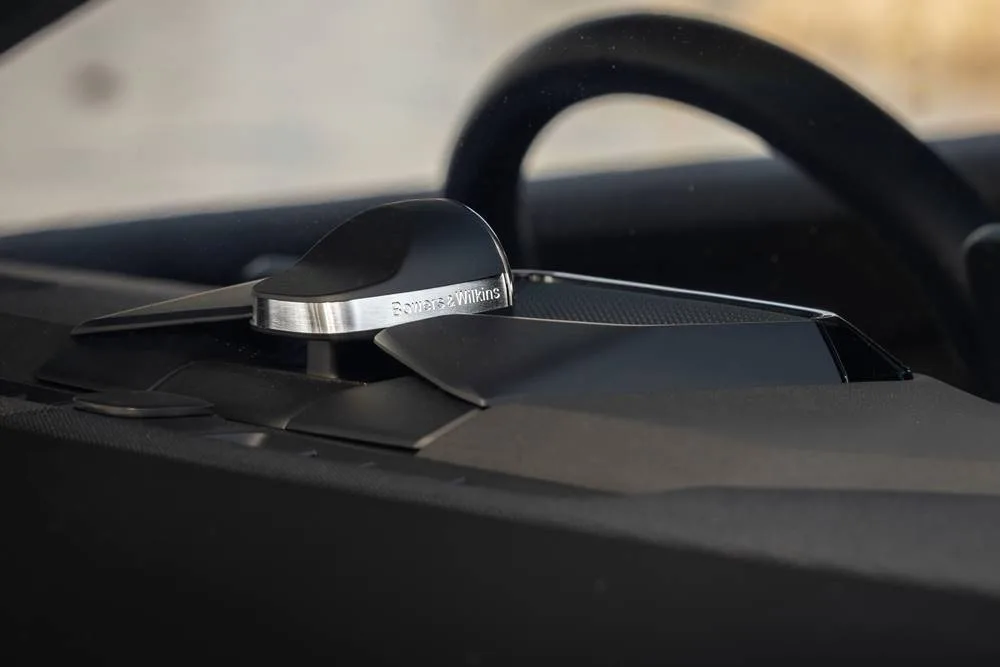
As yet there is no CarPlay/Android Auto but both will arrive via OTA within the month. The Bowers and Wilkins is sublime especially when used with a streaming service such as Tidal. The centre front tweeter has a retro feel and is gently cupped within a winged fixtured echoing the wing between the headlights.
Other bits and bobs:
All new cars are ludicrously complex so mentioning every nut and bolt would read like War and Peace, so here were a few things worth a shout:
- There is internal radar so that if something moves, the owner is notified and the climate turns on, set to a comforting 22c.
- Front brakes are Brembos the size of a satellite dish, 400mm.
- Towing is 2200 kg
- You could add over $15,000 to $30,000 in options if you went mad ticking all the boxes (many of these options are included in the Performance model. Options include 1.3-Megapixel HD LED headlights are are$3000, nappa is $7500, Pro Pack is 3200, and lidar is $7500 but there re many more).
- Range up to 631km is more of a hope than anything else.
Review follows at 5pm Wednesday.
Other GayCarBoys EV Stories:
- The Trouble with Electric Car Charging-Polestar 2
- 2022 Polestar 2 Dual Motor Review
- Polestar 2’s Android Google Operating System Top 10 Tips
- Polestar 2 VS Tesla Model 3
- Polestar 2 Where Its Google OS is Star-Trek-Meets-Car-Trek
- How Much and How Long to Charge My Polestar 2?
- We drive 2019 Jaguar I-Pace SE EV400 Electric car
Video Review: UNBOXING Lamtto RC11 Dashcam unboxing with 15% DISCOUNT CODE #LattmoRC11 #alanzurvas, #gaycarboys
What about some HOT RACING DRIVERS. Gay? Or just plain gorgeous?
- 10 Hottest Racing Drivers
- Talented Twinks – Callum Ilott Virtually Races Arthur Leclerc
- Handsome Mclaren Drivers at 2020 SRO E-Sport GT Series
- Bentley Motor Sport and it’s Handsome Drivers
- 2019 NASCAR Xfinity Series | 10 Hottest Drivers
- Charles Leclerc Hottest British Grand Prix F1 Driver
SHORT Video Review: Audi e-Tron GT RS Quick Look – Light Show
#automobile #shorts #audietrongtrs #gaycarboys #alanzurvas ##shorts

Alan Zurvas is the founder and editor of Gay Car Boys, Australia's leading LGBTQI+ automotive publication. Before launching GCB in 2008, Alan's automotive writing was published in SameSame.com.au and the Star Observer. With over 16 years of hands-on car reviewing experience, Alan brings an honest, irreverent voice to every review — championing value and innovation over brand loyalty.
Leave a Reply